

BlueFire Wilderness is a special outdoor program in Idaho for teens who are having a hard time. It helps kids from about 11 to 28 years old. The program uses nature, adventures like hiking, and talking with therapists to help young people feel better inside their hearts and minds. Many families hope it will teach kids new ways to handle big feelings, like anger, sadness, or worry.
This topic is important because it shows how we care for kids who need extra help. When something goes wrong, people talk about it a lot. That’s why stories about BlueFire Wilderness lawsuit make us think and learn. Today, we will look at what happened, why people are upset, and how it might change things for everyone in this kind of work. It’s like reading a real-life story that teaches us to be kind and safe.
What Is Wilderness Therapy?
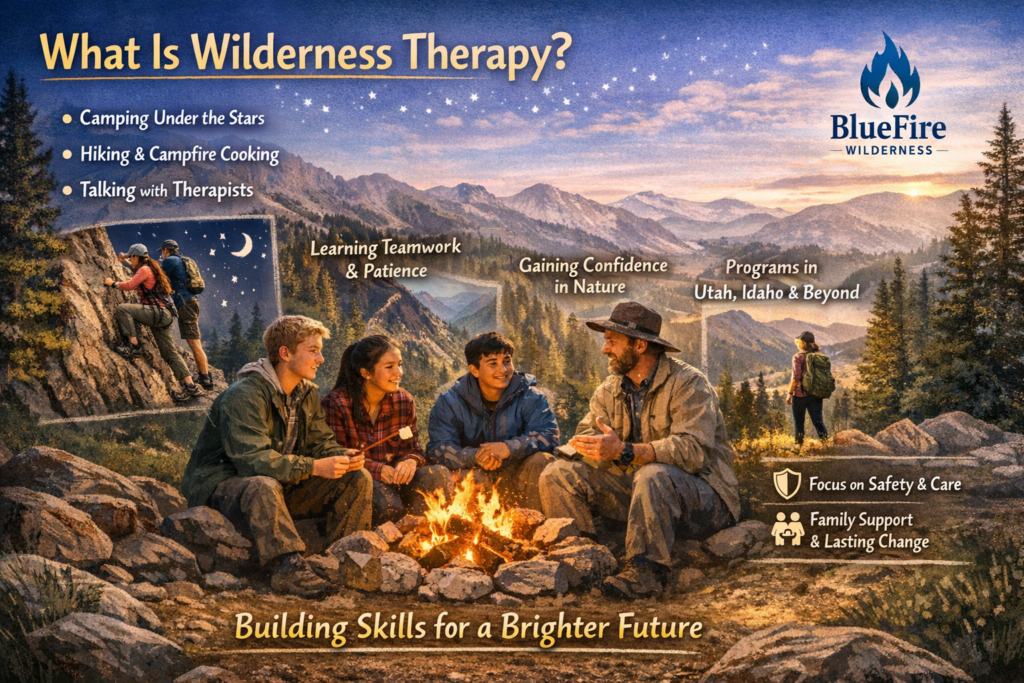
First, let’s understand what wilderness therapy means. Imagine going on a big camping trip every day. You sleep under the stars, cook food over a fire, and walk long paths in the mountains or desert. While you do these fun things, kind adults called therapists talk with you. They help you think about your problems and find better ways to solve them.
This idea started many years ago. People thought nature could be a great teacher. Being outside makes you strong and calm. For some kids, it feels like magic because they learn teamwork, patience, and how to take care of themselves. Over time, more programs opened in places like Utah, Idaho, and other states with big open lands.
BlueFire Wilderness is one of these programs. It says it focuses on safety and good care. They use adventure activities to build confidence. Also, therapists meet with kids and families to make plans that last even after the program ends. Many parents choose it because they want the best for their child.
Why Do Some Kids Go to These Programs?
Teens sometimes feel lost or angry. Maybe they argue a lot at home, don’t like school, or feel very sad. Some try things like drugs or hurt themselves. Parents worry a lot and look for help. That’s why they send their child to a place like BlueFire Wilderness. The program promises to teach new skills in a peaceful outdoor setting.
For example, one teen might learn to stay calm during a hard hike instead of getting mad. Another might talk openly about feelings for the first time. Because of these good moments, some families say the program helped a lot. It feels like a fresh start in nature.
What Are the Allegations in the BlueFire Wilderness Lawsuit?
Now let’s talk about the hard part. Some people who went to BlueFire Wilderness or programs like it say bad things happened. There are stories and claims about negligence and misconduct. Negligence means not being careful enough to keep kids safe. Misconduct means doing something wrong or not following good rules.
In some reports about BlueFire Wilderness lawsuit, families and former teens say staff did not give enough food, water, or doctor help when needed. Others talk about feeling scared or hurt by words or actions from staff. There are also worries about staff training—were they ready to handle big problems? These claims make people sad because kids should always feel safe.
For instance, in the wilderness, weather can change fast. If a kid gets hurt or sick, quick help is very important. When people say that didn’t happen, it raises big questions. Also, some say emotional care was missing, like being yelled at or ignored when feeling down. That’s why lawsuits appear—to ask for fairness and answers.
These stories are not just about one place. Many wilderness programs face similar questions. Over time, more teens and families share what happened to them. This helps everyone see if changes are needed.
How Do These Claims Affect the Whole Industry?
The BlueFire Wilderness lawsuit is like a loud bell ringing for the whole field. When one program gets questions, people look at others too. Parents start asking more before choosing a place. They want to know: Is it safe? Do staff know what to do? Are there good rules to follow?
Because of this, experts and lawmakers talk about better rules. For example, some states check programs more often. They make sure staff get lots of training. Also, groups who care about kids’ rights say programs should listen to what teens say about feeling safe.
In addition, insurance companies and courts look closely at these places. Sometimes they decide if help should be paid for or not. This means families think twice about costs and risks. That’s why the industry is changing slowly. Good programs work harder to show they are kind and careful.
One fun fact: Nature can heal, like how a walk in the park makes you smile. But safety must come first. When programs do that well, everyone wins. When they don’t, stories like these help fix things.
What Can We Learn from This?
This situation teaches us big lessons. First, kids deserve love and protection always. If something feels wrong, it’s okay to speak up. Parents can ask many questions and visit places before deciding.
Also, we learn that helping teens is hard work. It needs kind hearts, good training, and clear rules. When everyone works together—families, programs, and helpers—kids can grow strong and happy.
Now let’s think about the bright side. Many programs do good things every day. They help teens find hope and new friends. Over time, with more care and listening, the whole field can get even better. That’s exciting because it means more kids will get the right help in safe ways.
FAQs About BlueFire Wilderness and Similar Programs
Here are some easy questions and answers to help you understand more:
What does BlueFire Wilderness do?
It is an outdoor program that uses camping, hiking, and talking therapy to help teens with tough feelings.
Why do people talk about a lawsuit?
Some say the program was not careful enough and kids felt hurt or not safe. These are serious claims that need checking.
Are all wilderness programs bad?
No, many help kids in good ways. But some face hard questions, so we must choose carefully.
What should parents do?
Ask lots of questions, read stories from others, and make sure the place follows safety rules.
Can nature really help kids?
Yes, being outside can make you feel calm and strong. But it works best when everyone is kind and safe.
In the end, stories like the BlueFire Wilderness lawsuit remind us to care deeply for young people. They show that when we listen and improve, things get better for everyone. Let’s hope for a world where every kid feels safe, loved, and ready to shine bright. What do you think—nature adventures can be wonderful when done with lots of care!
Disclaimer: This article shares information about the BlueFire Wilderness program and related news in a simple way. It is not meant to judge or say who is right or wrong. The stories and claims come from public reports and different people’s views. Always check trusted sources and talk to experts if you need real help or advice. This is just to help kids and families learn and think, not to promote or criticize any program.

Daniel J. Morgan is the founder of Invidiata Magazine, a premier publication showcasing luxury living, arts, and culture. With a passion for excellence, Daniel has established the magazine as a beacon of sophistication and refinement, captivating discerning audiences worldwide.