

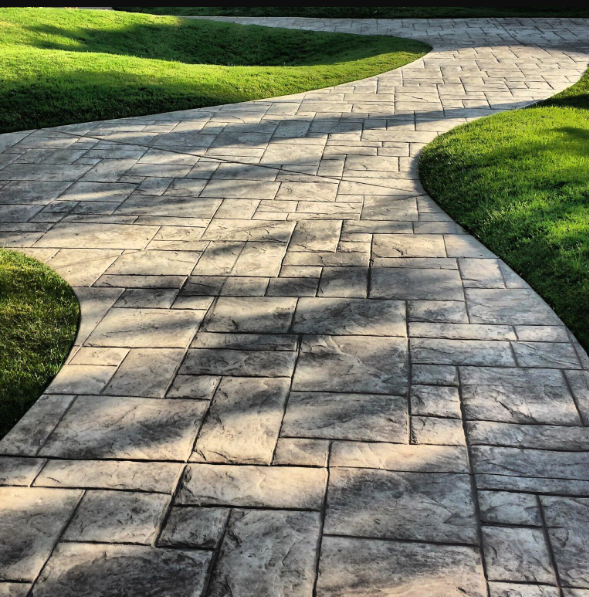
Improving your business property’s curb appeal can greatly impact its success and reputation by setting a professional tone before clients even step inside. Selecting the right hardscaping design requires balancing visual appeal with long-term durability to handle heavy daily visitor volume. Property managers must evaluate material strength, slip resistance, and local accessibility codes when planning exterior upgrades. For broader insights on safeguarding physical assets, you can review our guide on choosing the right property and casualty insurance to protect your commercial investments.
1. Classic Brick Patterns for Timeless Professionalism
A brick pattern walkway adds a timeless and elegant touch to your property while conveying established trust and corporate stability. Traditional clay units resist fading under intense ultraviolet exposure and maintain reliable slip resistance during rainy weather. This style fits particularly well outside law firms, medical offices, and traditional corporate headquarters.
With different earth-toned patterns available, business owners can customize the walkway layout to match their exterior architecture. Choosing a classic brick pattern impresses visiting clients and establishes a polished entrance without demanding constant surface sealing or complex maintenance routines.
2. Herringbone Paver Layouts for Heavy Foot Traffic
The herringbone pattern is both classic and sophisticated, offering unmatched structural interlocking strength for busy commercial zones. The angled brick alignment distributes weight evenly across the surface, which prevents individual pavers from shifting or rocking under heavy pedestrian crowds or rolling delivery equipment.
Its distinctive zig-zag design injects visual movement into otherwise plain entrance corridors. The interlocking geometry creates a durable surface built to endure tough weather conditions and daily operational strain. Investing in a herringbone layout provides long-lasting structural integrity alongside a clean aesthetic.
3. Large-Format Concrete Pavers for Modern Commercial Spaces
Large format concrete slabs create a sleek, contemporary look that complements modern architectural styles and minimalist corporate landscaping. These oversized units come in neutral gray, charcoal, and beige tones with smooth or lightly textured finishes that make entry plazas feel expansive.
Additionally, the minimal grout lines associated with large format pavers reduce weed growth and make surface sweeping much faster for maintenance crews. Their substantial weight and thickness prevent cracking under heavy loads, ensuring a pristine appearance for tech hubs and modern office parks.
4. Permeable Pavers for Sustainable Drainage and Compliance
Permeable paver systems feature wider, aggregate-filled joints that allow rainwater to filter directly into the sub-base instead of pooling across walkways. This eco-friendly hardscaping method helps commercial properties manage stormwater runoff and comply with local municipal environmental regulations.
By eliminating puddles near front doors, permeable pavers also reduce slip-and-fall hazards for employees and visitors during heavy storms. Incorporating this green building material demonstrates your company’s commitment to sustainable property management while keeping pedestrian paths dry and safe.
5. Winding Paths and Circular Entry Accents
A well-planned winding path or circular courtyard accent guides visitor movement naturally toward main entryways and outdoor seating areas. This layout approach creates a sense of discovery and architectural focus for corporate campuses, wellness centers, and hospitality venues.
The fluid curves soften rigid building lines and provide a welcoming transition from parking lots to the main lobby. Selecting contrasting paver borders for these curved segments ensures clean separation from surrounding turf and garden beds.
6. Integrating Low-Voltage LED Lighting and Drainage Edging
Incorporating low-voltage LED hardscape lighting and rigid aluminum edging transforms a standard paver path into a safe, code-compliant commercial amenity. Integrated step lights and path fixtures improve nighttime visibility, reducing liability risks for evening visitors.
Meanwhile, heavy-duty metal or plastic edge restraints lock the outer paver row securely in place to prevent lateral shifting from freeze-thaw cycles. Combining proper edge containment with discreet illumination ensures your walkway remains level, attractive, and safe around the clock.
7. Commercial Entrance Branding Through Custom Paver Accents
Custom paver arrangements offer targeted ways for businesses to integrate logos, color blocking, or directional markers right into the walking surface. Mixing different stone textures allows property managers to establish intuitive pathways that direct heavy foot traffic toward main reception desks or outdoor courtyards.
These customized design elements work exceptionally well for retail centers, hospitality venues, and corporate headquarters wanting to reinforce brand identity. When installed over a stabilized aggregate base, customized commercial pavers maintain their structural integrity and visual appeal under continuous daily use.
8. ADA-Compliant Modular Pavers for Universal Access
ADA-compliant modular pavers provide a smooth, stable surface that accommodates wheelchairs, strollers, and delivery carts without jarring bumps. Selecting tight-jointed units with textured, non-slip finishes ensures full compliance with federal accessibility standards for commercial properties.
Proper grading and flush transitions between the parking lot and the walkway are essential components of this universal design approach. Prioritizing accessibility protects your business from compliance penalties while making all visitors feel genuinely welcomed and accommodated.
9. Low-Maintenance Textured Pavers for High-Turnover Zones
Textured interlocking pavers with factory-applied sealants provide a resilient, low-maintenance surface ideal for high-turnover business locations. These specialized commercial stones resist oil drips from nearby parking stalls, salt staining during winter months, and fading from constant sun exposure.
Selecting stain-resistant concrete pavers reduces the frequency of professional power washing and minimizes long-term upkeep expenditures for property owners. Investing in durable, easy-to-clean materials keeps corporate walkways looking pristine with minimal labor investment.
Commercial Paver Style Comparison
Comparing commercial paver options helps property managers select materials that align with foot traffic volume, maintenance schedules, and brand image.
| Paver Style | Ideal Property Type | Key Benefit |
|---|---|---|
| Herringbone Pavers | Retail centers & main entrances | Maximum load distribution under heavy crowds |
| Large-Format Concrete | Modern corporate HQs | Sleek lines and minimal joint maintenance |
| Permeable Pavers | Eco-conscious commercial lots | Effective stormwater management and drainage |
What to Look for When Hiring a Commercial Paving Contractor
Hiring an experienced commercial paving contractor ensures your investment withstands daily commercial use and structural shifting over time. Property owners should verify that prospective installers carry proper general liability insurance, workers’ compensation coverage, and specific commercial hardscaping portfolios.
Ask potential contractors about their sub-base preparation methods, compaction standards, and whether they offer workmanship warranties on their installations. A reputable paving team will also assist with local permit acquisition and ADA compliance checks before starting construction.
Frequently Asked Questions
What is the most durable paver pattern for heavy commercial foot traffic?
The herringbone pattern is widely considered the most structurally sound choice because its interlocking angles distribute weight evenly and prevent shifting under heavy crowds.
How often do commercial paver walkways need maintenance?
Commercial pavers generally require joint sand replenishment and surface inspection every one to three years, depending on pedestrian volume and surrounding tree debris.
Are paver walkways ADA compliant for commercial properties?
Yes, as long as the pavers are installed with tight joints, smooth surface finishes, and proper grading that meets local accessibility and slope regulations.
Can permeable pavers help with commercial drainage issues?
Permeable pavers feature wider aggregate joints that allow rainwater to filter directly into the sub-base, reducing standing water and managing stormwater runoff effectively.
How do I choose the right color for my business paver walkway?
Select paver colors that complement your building’s primary exterior siding, brickwork, or corporate branding while hiding common dirt and tire marks from adjacent parking lots.
What is the typical lifespan of a commercial concrete paver installation?
A professionally installed commercial paver walkway on a heavy-duty compacted aggregate base can easily last thirty years or more with routine joint upkeep.
Disclaimer: Local building codes, ADA standards, and zoning requirements vary by region. Property owners should consult with municipal authorities and licensed contractors to verify final design specifications before beginning any construction project.
Like this article? Read more about these topics on our blog.


