

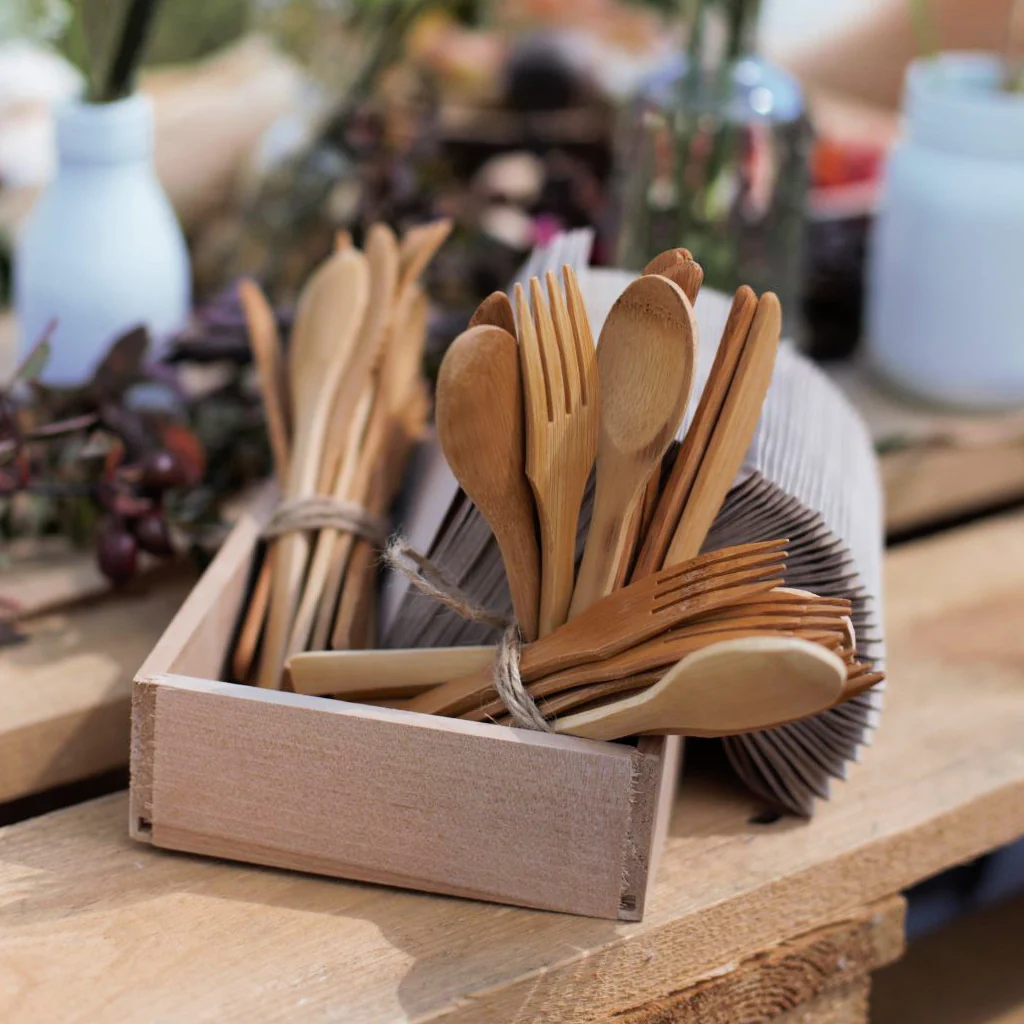
Bamboo cutlery has quickly become a common choice for eco-conscious households looking to reduce their reliance on single-use plastic utensils. Items made from bamboo offer a more sustainable alternative to traditional materials because bamboo grows as a rapid, renewable grass that requires minimal pesticides and no chemical fertilizers to thrive. Rather than contributing to the growing volume of non-biodegradable waste generated by plastic spoons and forks, reusable bamboo tableware breaks down naturally with minimal impact on the environment.
Bamboo cutlery is exceptionally lightweight and easy to pack for meals on the go. These practical qualities make bamboo utensils a convenient substitute for plastic, heavy metal, and other non-compostable tableware items during outdoor activities.
Why Rapid Grass Growth Trumps Timber Harvesting
Bamboo qualifies as an exceptionally sustainable raw material primarily because it regenerates as a fast-growing grass rather than a slow-maturing timber tree.
While standard hardwood trees can take twenty years or more to reach maturity, many commercial bamboo species reach harvestable size in just three to five years. This rapid regeneration cycle allows manufacturers to produce kitchenware without depleting forests or causing the long-term ecological damage associated with traditional logging. Furthermore, bamboo naturally decomposes relatively quickly at the end of its usable lifecycle, returning nutrients to the soil rather than lingering in municipal landfills for centuries.
Contrasting Solid-Carved Construction With Laminated Strip Assembly
Bamboo cutlery is typically produced using one of two distinct manufacturing methods that directly dictate its structural integrity and visual finish.
The first method involves carving utensils directly from a single, solid piece of bamboo. Craftsmen cut the raw grass stem into rough shapes, sand the outer surfaces until entirely smooth, wash the finished items, and coat them with a food-safe oil for a polished look. This solid-piece construction is often preferred by consumers because it requires no chemical adhesives, making the utensil structurally stronger and less likely to snap under heavy pressure. However, it requires significant manual labor and specialized woodworking expertise to shape correctly.
The second method involves cutting bamboo stems into smaller strips, carbonizing them, and bonding them together with food-safe adhesives. While efficient for mass production, multi-piece laminated utensils rely heavily on the quality and safety of the resin used during manufacturing.
| Manufacturing Style | Construction Method | Durability and Adhesives |
|---|---|---|
| Solid-Carved Cutlery | One continuous piece of bamboo | High durability, zero adhesives, highly resistant to snapping |
| Laminated Strip Cutlery | Multiple bamboo strips bonded together | Cost-effective mass production, relies on food-safe glue |
Functional Advantages for Daily Dining and Travel
Reusable bamboo utensils offer several distinct functional advantages that make them a popular choice for everyday meals and outdoor travel.
Because bamboo has a naturally low density, finished cutlery sets are remarkably lightweight. A standard travel pouch containing a fork, knife, and spoon weighs around 110 grams, which is comparable to the weight of a single metal spoon. This makes bamboo an ideal choice for camping trips, picnics, and office lunches where keeping luggage or bags light is essential.
Additionally, bamboo is naturally resistant to absorbing food odors. Reusable bamboo utensils will not retain strong smells or alter the flavor profile of your meals. While they resist most types of staining, intensely colored ingredients like turmeric or curry can sometimes leave a faint mark if left unwashed. Promptly rinsing your utensils with mild dish soap after eating prevents permanent discoloration.
Properly finished bamboo utensils are also completely safe to use with delicate cookware, including non-stick pots and pans. Unlike sharp metal forks or spoons, smooth bamboo surfaces will not scratch or damage sensitive non-stick coatings during cooking or serving.
Protecting Your Utensils Through Careful Hand Washing
Proper cleaning and maintenance habits allow bamboo cutlery to last for many years of regular use without splitting.
Hand washing is strongly recommended over machine washing to extend the lifespan of your bamboo utensils. Extended exposure to the high heat, intense water pressure, and harsh chemical detergents found in standard dishwashers can dry out the natural plant fibers and cause them to crack or warp. Instead, wash each piece gently with warm water and a mild dish soap immediately after use, then dry them thoroughly with a towel before storing.
Common Questions About Plant-Based Utensils
Is bamboo cutlery safe for food contact?
Yes, untreated or properly finished bamboo is entirely food-safe, non-toxic, and free from the petroleum-based chemical compounds often found in plastic or silicone utensils.
Can bamboo utensils go in the dishwasher?
No, putting bamboo cutlery in the dishwasher is not recommended because prolonged exposure to high heat and harsh detergents will dry out the wood fibers and cause splitting.
How long does bamboo cutlery last?
With proper hand washing and occasional mineral oil conditioning, high-quality bamboo cutlery can last for several years of regular daily use.
Does bamboo cutlery absorb food flavors?
No, bamboo is naturally resistant to odor absorption, meaning it will not transfer leftover flavors from one meal to the next.
Are bamboo utensils compostable?
Yes, 100 percent pure bamboo cutlery is biodegradable and compostable at the end of its lifecycle, provided it has not been treated with non-biodegradable synthetic resins.
Can bamboo forks and spoons scratch non-stick pans?
No, bamboo is soft enough that it will not scratch or damage sensitive non-stick cookware coatings during cooking or serving.
For individuals interested in long-term household maintenance practices, exploring broader concepts like maintaining a sustainable living space or building a sustainable foundation for long-term homeownership can offer additional inspiration for eco-friendly lifestyle choices.
Disclaimer: Details regarding bamboo manufacturing processes and material care can vary depending on the specific manufacturer. Readers should always verify product-specific care instructions and sourcing details directly from official brand guidelines before use.

Daniel J. Morgan is the founder of Invidiata Magazine, a premier publication showcasing luxury living, arts, and culture. With a passion for excellence, Daniel has established the magazine as a beacon of sophistication and refinement, captivating discerning audiences worldwide.


[…] to upgrade their kitchen setup, looking beyond standard kitchen tools can also include exploring eco-friendly alternatives for dining and entertaining when hosting guests […]