

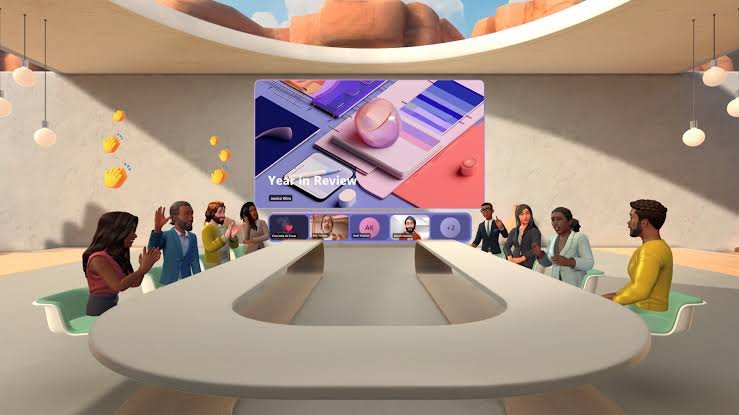
Activities for getting dispersed corporate groups together have evolved far past stale hotel conference rooms and awkward icebreaker exercises. Modern team leads utilize immersive environments with A/V integrations to help colleagues connect, collaborate, and genuinely enjoy time away from standard operational routines. What remains memorable months after a retreat concludes is how the physical space felt. Audiovisual equipment converts standard meeting halls into responsive workspaces where professionals engage in meaningful, low-stress interactions.
Professional A/V production introduces a reliable rhythm to corporate gatherings, making them more inspiring, organized, and practically valuable for everyone in attendance.
Why A/V Design Matters More Than Ever for Modern Team Gatherings
Thoughtful audiovisual planning is necessary because hybrid work models and compressed in-person schedules demand that physical meeting spaces work much harder than traditional offices.
When staff members spend most of their workweek behind screens across different time zones, bringing everyone together creates high expectations for authentic collaboration. If a company meetup takes place in a harshly lit room with muddy audio or washed-out projection displays, participants quickly experience cognitive fatigue. Creating immersive environments with A/V elements bridges the gap between digital convenience and physical presence. It helps colleagues transition mentally from daily operational tasks into an open, team-oriented mindset.
Furthermore, careful spatial acoustics and illumination build psychological safety. When a room feels visually balanced and acoustically controlled, employees feel comfortable sharing honest feedback during strategy sessions. Good design works quietly behind the scenes to support human interaction without demanding conscious attention.
Using Dynamic Lighting to Shape Energy and Focus
Dynamic lighting fixtures guide participants through different emotional phases, transitioning smoothly from high-energy brainstorms to focused analytical workshops.
Lighting does much more than simply illuminate walking paths; it directly influences attention spans and collective mood. Walking into a room with warm, diffused overhead illumination signals relaxation and open dialogue. Contrast that environment with bright, cool-toned uplighting, and the space instantly feels primed for active physical collaboration and rapid ideation.
Event planners can utilize zone-based lighting control to manage distinct phases of a corporate retreat:
- Morning Welcome Sessions: Dynamic, colorful washes energize arrivals, setting a welcoming tone for the day. Blue and green hues encourage an alert yet relaxed state, while warm amber and soft red tones prompt active dialogue.
- Collaborative Breakout Work: Focused task lighting helps smaller groups define their physical workspaces, reducing visual distractions and improving collective problem-solving.
- Evening Recognition Dinners: Warm chandeliers, string accents, or subtle ambient projection patterns convert a standard dining room into a distinct escape for milestone celebrations.
Strategic lighting allows organizers to transform plain conference facilities into inspiring venues where teams can review past achievements and align around future business goals.
Designing Soundscapes That Support Connection Instead of Causing Fatigue
Carefully managed soundscapes and acoustic treatments influence attendee mood while actively preventing sensory burnout in large, open-plan retreat venues.
Sound carries profound emotional weight during group events. Hearing a familiar acoustic track or comforting background tone helps professionals release operational stress. However, poor audio engineering, such as uncontrolled bass reverberation or unclear speech amplification, causes severe listening fatigue.
Modern production teams use spatial audio and targeted sound masking to optimize multi-use venues:
| Gathering Phase | A/V Production Focus | Primary Objective |
|---|---|---|
| Morning Kickoff | Upbeat instrumental background tracks | Energize arrivals and build early momentum |
| Collaborative Workshops | Low-level ambient sound masking | Enhance acoustic privacy for small group talks |
| Evening Wrap-Up | Dynamic celebratory playlists | Signal a transition from work to relaxation |
These intentional audio layers maintain high morale and keep communication clear across every corner of the venue without straining voices.
Integrating Visuals and Digital Displays Purposefully
Modular LED screens and advanced display technology reinforce shared corporate goals without cluttering the physical workspace or distracting participants.
Visual elements anchor the event narrative and keep attendees aligned with core workshop objectives. Rather than relying on static flip charts or outdated slide decks, today’s gathering planners utilize ultra-short throw projectors and digital signage to present dynamic visual context. Crisp, high-contrast displays naturally capture attention and reinforce key takeaways.
The guiding principle is functional restraint. Visual displays should support the facilitator rather than acting as a standalone distraction. When images match the tone of the discussion, participants absorb information naturally.
Achieving Cohesion Across Light, Sound, and Visuals
Smooth technical execution ensures that lighting cues, audio levels, and visual displays sync together so an event transitions naturally from start to finish.
A brilliant lighting display loses impact if the audio system fights against it. True immersion happens when a skilled A/V technical team coordinates every programmatic shift. For example, when a keynote presentation concludes and shifts into a collaborative workshop, room illumination should dim slightly, background audio should transition to ambient tracks, and screens should display workshop instructions instantly.
This seamless coordination prevents awkward pauses and maintains the energy of the room. High-quality production feels entirely natural to the attendees, leaving them free to focus on building trust with colleagues and maximizing team performance through immersive shared experiences.
Common Questions About A/V Setup for Team Events
Why is audiovisual technology critical for modern corporate retreats?
A/V technology shapes the physical energy, acoustic comfort, and visual focus of a room, directly influencing how comfortable and engaged participants feel throughout the event.
How does dynamic lighting influence meeting engagement?
Color temperature adjustments and adjustable uplighting guide attendees through different psychological states, easing them from high-energy introductions into focused, collaborative workshop phases.
What is acoustic zoning in large gathering spaces?
Acoustic zoning involves using targeted sound masking and directional speakers to create distinct audio bubbles, allowing multiple small groups to converse without disturbing neighboring teams.
Do smaller teams benefit from professional A/V setups?
Yes, even modest gatherings benefit from basic ambient lighting adjustments and clean audio reinforcement, which prevent meeting fatigue and improve overall communication quality.
What role do digital displays play in collaborative retreats?
Digital displays provide clear visual anchors for shared goals, display real-time workshop instructions, and reinforce company messaging without requiring bulky printed materials.
How do event planners coordinate light, sound, and visuals?
Planners work with experienced A/V technicians to pre-program cues and automated scene transitions, ensuring that audio levels, lighting shifts, and screen contents change smoothly together.
Disclaimer: Audiovisual technology standards, hardware availability, and event venue requirements vary widely. Planners should verify final technical specifications, venue constraints, and equipment compatibility with certified A/V professionals before finalizing event schedules.

Passionate content writer and savvy blog publisher, Aamir crafts compelling stories and insightful articles that captivate and inform. With a knack for blending creativity and strategy, they bring fresh perspectives to every piece. Dive into their world of words and discover content that resonates.


[…] your overall entertainment hub; for insights on digital workspace planning, see our guide on creating immersive environments with a/v for team gatherings to optimize your room […]