

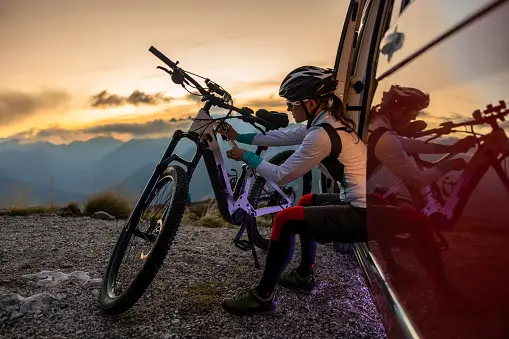
The electric bicycle market continues to expand rapidly as more travelers discover the freedom of motorized assistance. These bikes make cycling accessible to a much broader audience by smoothing out steep inclines and cutting down long distances. Choosing an electric bicycle allows riders to experience outdoor scenery without facing absolute physical exhaustion at the end of the day.
Riders retain full control over their workout intensity, selecting how much motor power to engage during a trip. This flexibility keeps group rides enjoyable even when participants possess varying stamina levels. Utilizing motor support on demanding terrain turns challenging routes into manageable, relaxing journeys.
Scenic Landscapes Open to Electric Bicycles
An electric bicycle lets travelers venture into diverse environments that might feel out of reach on a traditional non-motorized bike.
Battery longevity fluctuates depending on weather conditions, trail gradients, and total cargo weight, meaning planning your route remains essential.
Several outdoor destinations pair exceptionally well with electric bicycle touring:
- State and national parks featuring paved or multi-use aggregate paths
- Converted rail-trails that span long rural expanses
- Coastal boardwalks and hard-packed beach tracks
- Winding country lanes past agricultural fields and orchards
- Urban greenways and historic city sightseeing corridors
- Gravel forestry roads with moderate elevations
- Suburban connectors leading into protected nature reserves
Overcoming Fatigue on Extended Touring Routes
Extended cycling trips often cause muscle soreness or unexpected fatigue when riders push past their normal physical limits.
Standard bicycle outings can stall quickly when encountering steep hills or strong headwinds midway through a journey. Electric motor assistance steps in precisely when energy levels drop, ensuring you can complete your planned itinerary.
Covering greater distances with minimal strain opens up multi-day touring possibilities for weekend adventurers. Climbing mountain passes or coastal bluffs becomes an enjoyable ascent rather than an exhausting ordeal. This gentle push preserves your stamina so you can fully appreciate panoramic viewpoints upon arrival.
Pedaling remains a fundamental part of the experience on most electric bicycle configurations. However, the supportive motor output drastically reduces the physical toll on your knees and leg muscles. Riders arrive at their destination feeling energized rather than completely drained.
Mechanics of Pedal Assist and Throttle Control
Understanding how electric motors engage helps riders choose the correct bike style for their intended journeys.
Pedal assist systems measure your pedaling cadence or applied force to deliver proportional motor power seamlessly. Throttle mechanisms operate independently, letting you accelerate forward from a complete stop without turning the pedals.
Regulatory frameworks generally divide electric bicycles into three distinct legal classifications:
| Classification | Assistance Type | Maximum Motor Speed |
|---|---|---|
| Class 1 | Pedal assist only (no throttle) | 20 miles per hour |
| Class 2 | Pedal assist and thumb/twist throttle | 20 miles per hour |
| Class 3 | Pedal assist only (stronger motor output) | 28 miles per hour |
Matching your bicycle class to local trail regulations ensures safe coexistence with other path users. Municipalities often restrict throttles on narrow nature paths while permitting Class 1 pedal-assist models freely.
Managing Battery Performance and Physical Weight
Electric bicycles introduce unique physical characteristics that require careful planning before setting out.
Integrated battery packs and heavy-duty frames make these bikes substantially heavier than traditional bicycles, often weighing between forty and seventy pounds. This extra heft demands caution when hoisting the bike onto vehicle hitch racks or navigating stairways.
Cold weather conditions, heavy cargo panniers, and continuous uphill riding drain lithium-ion batteries much faster than warm, flat pathways. Checking your remaining charge percentage helps prevent unexpected power failures miles away from civilization.
Reliable hydraulic disc brakes, puncture-resistant tires, and integrated LED lighting are crucial for safe outdoor exploration. Maintaining these mechanical components guarantees secure handling when descending steep hills or navigating low-light conditions.
Trail Etiquette and Responsible Path Sharing
Navigating shared outdoor spaces respectfully protects trail access for all cycling enthusiasts.
Land managers enforce specific rules to prevent environmental degradation on delicate singletrack hiking paths. Unpaved mountain bike trails frequently prohibit motorized vehicles entirely to protect natural soil composition and local wildlife habitats.
Courtesy toward pedestrians, equestrians, and traditional cyclists keeps multi-use corridors safe and welcoming. Ringing a bell or offering a polite verbal warning before passing prevents startling fellow recreationists. Maintaining controlled speeds on crowded greenways ensures a harmonious environment for everyone outdoors.
For travelers eager to broaden their recreational pursuits beyond cycling, exploring diverse outdoor pastimes can enrich every vacation, such as discovering new family adventures during trips.
Verdict on Electric Touring Bikes
Electric bicycles offer an adaptable, empowering method for experiencing nature and outdoor travel.
Treating your electric bicycle as a dependable companion turns ambitious touring routes into achievable adventures. Every outdoor excursion becomes an invitation to explore scenic landscapes with confidence and ease.
Frequently Asked Questions
Do electric bicycles force you to pedal constantly?
Most electric bicycles rely on pedal-assist sensors that require active pedaling, though throttle-equipped models can propel you forward without leg power.
How far will a single battery charge take you?
Travel distance depends heavily on battery watt-hours, terrain steepness, rider weight, and your chosen level of motor assistance.
Are electric bicycles permitted on all hiking and biking trails?
No, local land-use regulations vary widely, with many rugged singletrack trails prohibiting motorized bicycles while paved multi-use paths welcome them.
Why do electric bicycles weigh more than standard bikes?
Heavy-duty frames, high-capacity battery packs, and electric hub or mid-drive motors add significant weight compared to traditional unpowered bicycles.
What safety equipment should riders wear?
Riders should always wear a certified bicycle helmet, verify that front and rear lights function properly, and inspect brakes before every outing.
What is the top speed of an electric touring bike?
Class 1 and Class 2 models provide motor support up to twenty miles per hour, whereas Class 3 bicycles assist riders up to twenty-eight miles per hour.
Disclaimer: Electric bicycle specifications, battery runtimes, and local trail access policies vary widely across different regions. Travelers should verify official municipal and park guidelines before planning outdoor trips.


