

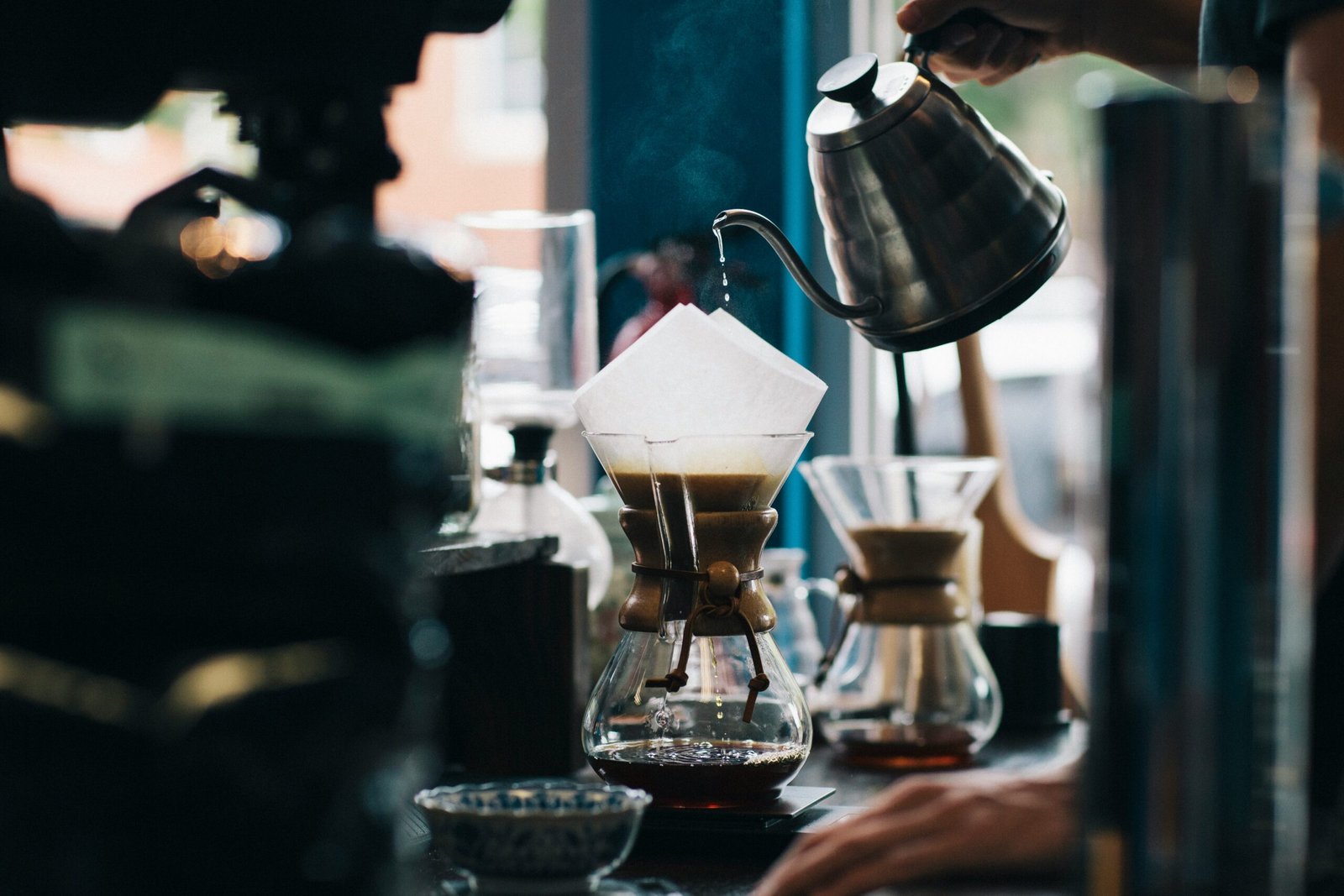
Photo by Karl Fredrickson on Unsplash
When you prepare the right morning cup, you achieve a level of satisfaction that turns a simple kitchen routine into a genuine craft. Achieving an exceptional flavor profile relies entirely on controlling physical variables like particle size, contact duration, and thermal energy. Mastering these factors transforms ordinary packaged beans into a rich, aromatic beverage.
Start with Freshly Roasted Specialty Coffee Beans
Selecting beans with a recent roast date establishes the foundational aromatic potential required for a complex flavor profile.
Coffee beans act as the raw building blocks of your morning cup, holding delicate oils and soluble compounds that degrade over time. Sourcing beans from a roaster that prints specific roast dates ensures you brew them during their peak freshness window of one to four weeks post-roast. Single-origin offerings highlight distinct regional fruit or floral characteristics, while balanced blends deliver chocolatey smoothness. Skipping this initial step limits what subsequent brewing techniques can achieve.
Match Your Grind Size to Your Specific Extraction Tool
Adjusting the physical size of your coffee particles dictates how quickly water dissolves essential flavors during extraction.
Grinding whole beans immediately before hot water application prevents premature oxidation and loss of volatile aromatics. Different brewing hardware requires vastly different particle sizes to manage water flow velocity and prevent unpleasant taste anomalies:
| Grind Texture | Compatible Brewer | Contact Characteristic |
|---|---|---|
| Coarse | French Press, Cold Brew | Extended immersion steeping |
| Medium | Pour-Over, Drip Machine | Moderate gravity drawdown |
| Fine | Espresso Maker, AeroPress | Rapid pressure or short soak |
Investing in a burr grinder guarantees uniform particle generation, whereas cheaper blade grinders create inconsistent fragments and fine dust that disrupt balanced extraction.
Weigh Ingredients Using a Digital Kitchen Scale
Measuring your coffee and water by weight removes volumetric inconsistencies caused by varying bean densities and roast levels.
While home cooks often rely on kitchen spoons and fluid ounce estimates, volume measurements fail to account for how loosely ground coffee settles. Utilizing a digital scale allows you to apply a precise ratio, such as one part coffee to fifteen or sixteen parts water. This dependable golden ratio ensures your beverage is neither overwhelmingly heavy nor thin and watery from batch to batch.
Control Water Purity and Thermal Range
Maintaining water between 195°F and 205°F ensures optimal extraction without burning or under-extracting your grounds.
Because water makes up roughly ninety-eight percent of the finished cup, municipal tap mineral content or chlorine will directly impact taste. Using filtered water eliminates unwanted off-flavors that mask delicate origin notes. When heating your water, verify the temperature window stays strictly between 195°F and 205°F. Excessively hot water strips bitter tannins out too quickly, while lukewarm water leaves flavors locked inside the bean structure.
Monitor Contact Duration Across Brewing Methods
Timing your water contact precisely prevents the harsh astringency that occurs when a brew runs past its ideal window.
Every manual or automatic method demands a specific window to extract optimal sweetness and body:
- French Press: Steep for exactly 4 minutes before plunging.
- Pour-Over: Complete water drawdown within 2.5 to 3 minutes.
- Drip Maker: Allow the automated cycle to finish in roughly 5 minutes.
- Espresso Machine: Extract a double shot in 25 to 30 seconds under pressure.
Adhering closely to these target contact times keeps your flavor profile clean, sweet, and well-balanced.
Systematically Diagnose and Troubleshoot Taste Issues
Adjusting a single brewing variable at a time helps correct common extraction flaws like sourness or excessive bitterness.
If your morning beverage tastes aggressively sour and sharp, your extraction was incomplete, which requires a finer grind size or hotter water. Conversely, if your cup tastes dry, hollow, or deeply bitter, you experienced over-extraction and should switch to a slightly coarser grind or shorter brew time. Making methodical adjustments lets you dial in perfection.
Preheat Equipment to Preserve Thermal Stability
Warming your mugs, carafes, and filter cones beforehand stops hot water from losing heat prematurely.
Pouring hot rinse water through your paper filter and warming your ceramic dripper or French press keeps the extraction environment stable. This simple step prevents unwanted temperature drops that frequently lead to uneven flavor extraction, particularly with smaller single-cup batches.
Store Beans Safely to Retain Freshness
Protecting roasted coffee from light, oxygen, and humidity preserves its aromatic compounds for weeks.
Keep your beans tucked inside an opaque, airtight canister located in a cool pantry cabinet rather than on an exposed countertop. Refrain from storing bags inside refrigerators, because fluctuating temperatures cause moisture condensation that rapidly ruins the beans. For professionals exploring diverse paths outside the kitchen, some individuals balance culinary hobbies with demanding career paths by exploring flexible healthcare professional roles to streamline daily scheduling.
Achieving a Consistent Morning Standard
The secret to a reliable morning routine rests on combining quality ingredients with repeatable technical measurements.
Selecting fresh beans, grinding them on demand, measuring by weight, and controlling water temperature guarantees a wonderful cup every single morning. Embrace the process, test small adjustments, and enjoy perfecting your personal home brewing technique.
Frequently Asked Questions
Should I store my coffee beans in the freezer?
Freezing can extend bean freshness when using vacuum-sealed bags, but you must let the package thaw completely before opening to avoid damaging moisture condensation.
Why does my homemade coffee taste bitter?
Bitterness usually points to over-extraction caused by water that is too hot, a grind setting that is too fine, or steeping for too long.
Is a burr grinder better than a blade grinder?
Yes, burr grinders crush coffee beans to a uniform, adjustable particle size, whereas blade grinders chop beans randomly into uneven chunks and fine dust.
Can I reuse spent coffee grounds for a second brew?
Reusing spent grounds is discouraged because nearly all soluble flavor compounds and desirable oils wash away during the initial extraction cycle.
What roast level works best for pour-over coffee?
Light to medium roasts are typically favored for pour-over methods because they emphasize distinct origin characteristics, fruit notes, and complex floral acidity.
How long do whole bean coffee beans stay fresh?
Whole bean coffee maintains peak flavor between one and four weeks after its designated roast date when housed in an airtight container.
Disclaimer: Brewing variables such as bean density, ambient humidity, and equipment design can vary significantly. Readers should experiment with parameters to fit their personal gear and taste preferences.

Daniel J. Morgan is the founder of Invidiata Magazine, a premier publication showcasing luxury living, arts, and culture. With a passion for excellence, Daniel has established the magazine as a beacon of sophistication and refinement, captivating discerning audiences worldwide.


