

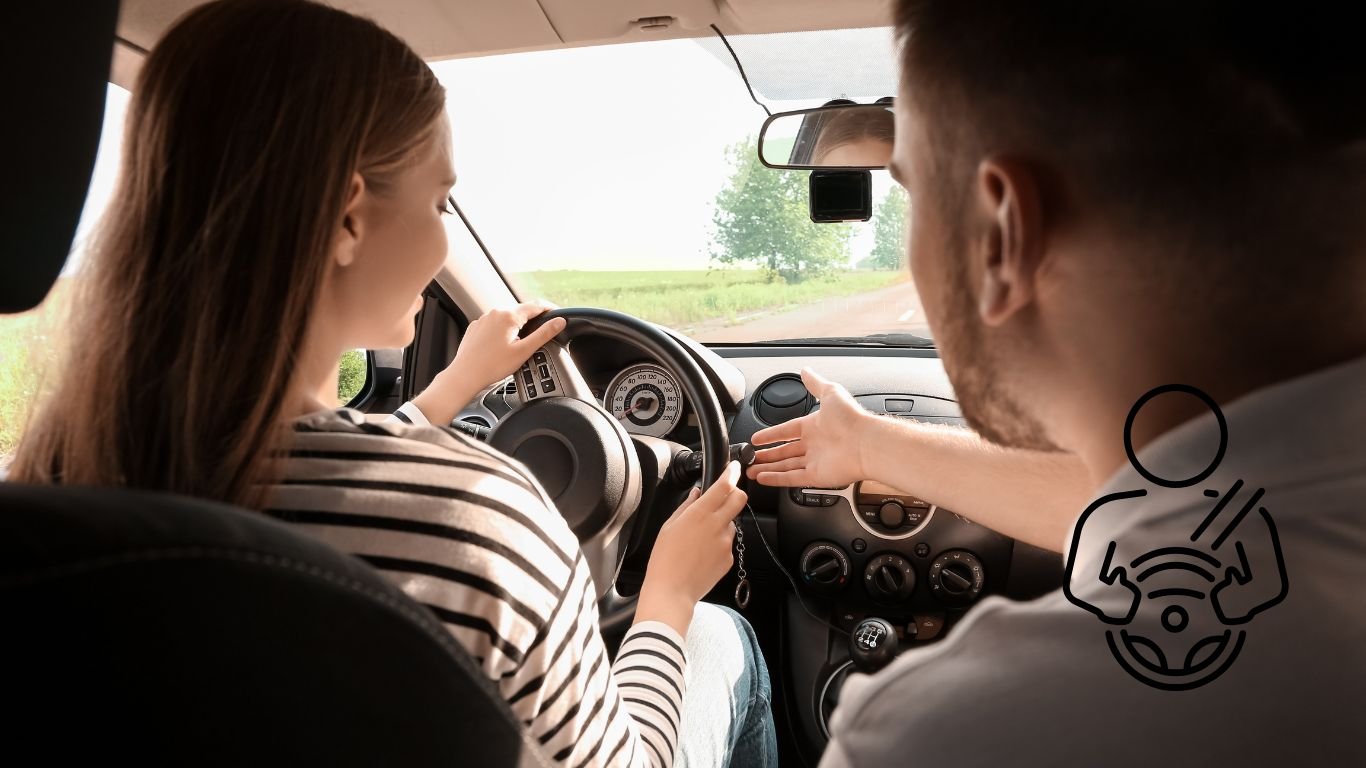
Understanding Vehicle Ownership Without Active Driving Privileges
Vehicle ownership and driver’s license possession do not have to be bundled together, as individuals can legally own cars without actively holding a valid driving permit. While standard insurance purchasing flows assume that the owner and the driver are the same person, real-world circumstances often create a separation between holding a title and operating a steering wheel. Securing a proper policy requires understanding how insurance carriers handle non-licensed owners, how to list primary operators correctly, and why traditional online quote tools often fail.
Navigating this unique situation successfully involves distinguishing between a named non-owner policy and a third-party owner-only policy. When structured correctly, a non-licensed owner can protect their automotive asset from theft, weather damage, and liability claims without ever taking a driving test. The key is working with specialized insurers or independent agents who understand non-standard underwriting guidelines.
Why Non-Drivers Frequently Purchase and Insure Automobiles
People find themselves needing car insurance without a valid license for several practical, everyday reasons rather than unusual exceptions.
Consider a scenario where an individual owns a luxury vehicle or a daily driver but prefers to employ a full-time personal chauffeur, eliminating the need to drive themselves. Another frequent situation involves parents or guardians purchasing and registering a car for a minor family member or an elderly relative who requires dedicated transportation. Collectors often buy vintage or investment automobiles long before completing restoration work or getting behind the wheel. Additionally, individuals with temporarily suspended or revoked driver’s licenses must maintain continuous insurance coverage on their registered vehicles to avoid severe financial penalties, DMV fines, and coverage lapses that trigger massive rate hikes later.
Structuring Policies Around Licensed Primary Operators
A policy for a non-licensed owner functions by placing the vehicle owner as the named insured on the declarations page while designating a trusted, licensed individual as the primary principal operator.
Insurance companies evaluate risk based on who actually drives the vehicle most frequently. Because the owner does not have a license, they are explicitly excluded from driving the insured car. Instead, the underwriting file lists a spouse, caregiver, professional driver, or relative as the primary operator. This designated driver’s driving record, credit history, and accident history dictate the primary risk assessment for the policy. The non-licensed owner simply funds the policy and holds the financial interest in the vehicle asset.
Overcoming Automated Underwriting Rejections from Major Carriers
Standard insurance carrier algorithms automatically reject applications where the primary policyholder enters a driver’s license status as none, suspended, or revoked.
Most automated online quotation systems rely on rigid dropdown menus that demand a valid license number to proceed to pricing. When an applicant lacks that number, the system flags the profile as high-risk or unsupported. Furthermore, major standard carriers often maintain strict underwriting clauses that prohibit issuing a policy to someone without a valid license out of fear that the owner might illegally drive the vehicle anyway. Overcoming these automated roadblocks usually requires bypassing standard consumer websites entirely and speaking directly with human insurance brokers who can manually submit applications to non-standard or specialty insurance markets.
Intersecting Department of Motor Vehicles Regulations
State Department of Motor Vehicles offices enforce strict rules regarding how a vehicle can be registered when the titleholder does not possess a valid driver’s license.
Many states require proof of active car insurance before issuing license plates or vehicle registration renewals. When the vehicle owner lacks a license, state DMVs often request an affidavit of non-operation, a designated primary driver form, or proof that a licensed operator is attached to the vehicle’s insurance policy. Failing to coordinate insurance and registration requirements properly can result in suspended registrations, heavy administrative fees, or legal complications if the vehicle is parked on public streets without correct documentation.
Actionable Framework for Securing Coverage
Securing proper insurance protection as a non-licensed vehicle owner demands a deliberate, methodical approach.
| Process Phase | Assigned Task | Operational Details |
|---|---|---|
| Phase One | Primary Operator Selection | Choose a trusted licensed driver who will be named as the principal operator on the vehicle policy. |
| Phase Two | Driver Record Collection | Collect the driver’s license number, driving history, and personal details required by underwriters. |
| Phase Three | Broker Engagement | Speak with independent insurance brokers who have access to specialty and non-standard carrier portfolios. |
| Phase Four | Policy Structuring | Ensure the policy lists you as the vehicle owner and named insured while excluding you from operating the car. |
| Phase Five | Registration Validation | Confirm that your insurance binder satisfies all state vehicle registration and financial responsibility laws. |
Taking these organized steps prevents wasted time dealing with automated consumer platforms that cannot process non-driver profiles.
Common Inquiries Regarding Unlicensed Vehicle Ownership
Can you insure a car if you do not have a driver’s license?
Yes, you can insure a vehicle you own without a license by listing a licensed primary driver on the policy.
Does not having a license make insurance more expensive?
It can increase costs depending on the insurer, as some carriers view non-standard arrangements as higher risk.
Can I drive my own car if I have non-driver auto insurance?
No, if you are listed as an unlicensed owner and do not have a valid license, you are legally prohibited from driving the vehicle.
How do I register a car at the DMV without a license?
Many states allow registration if you provide proof of insurance showing a designated licensed primary operator for the vehicle.
What is the difference between a non-owner policy and owner-only insurance?
A non-owner policy covers someone who drives cars they do not own, whereas owner-only insurance covers a car owned by someone without a license.
Will standard online insurance quote forms work for non-drivers?
Standard online forms usually fail because they require a valid driver’s license number to generate a quote.
To ensure your overall financial strategy remains secure, it is also wise to review important considerations for hiring legal counsel in case unexpected liability disputes arise on the road.
Disclaimer: Insurance regulations, underwriting guidelines, and state Department of Motor Vehicles policies vary widely by jurisdiction. Details are subject to change, and vehicle owners should verify all legal and insurance requirements directly with official state authorities and licensed insurance professionals before finalizing coverage.


