

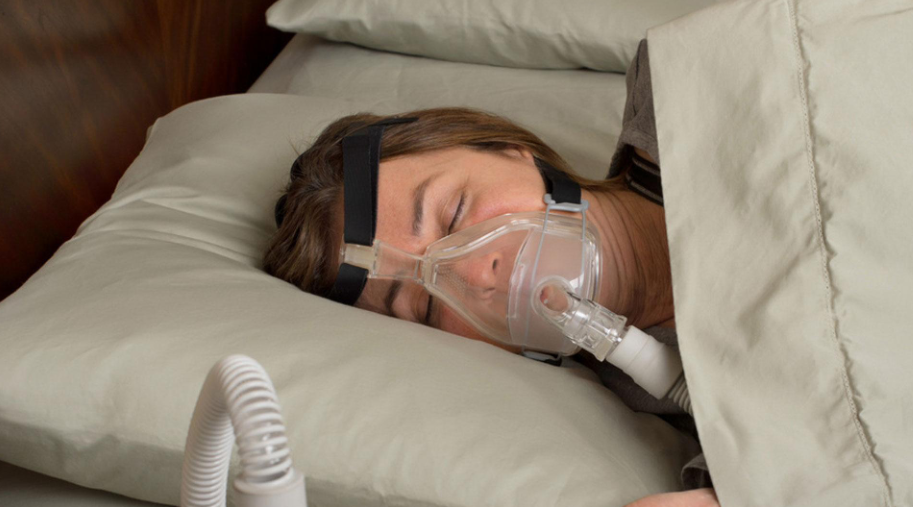
Treating sleep apnea through medical devices is a common and often effective solution for restful sleep. While surgical interventions are considered permanent solutions to treat sleep apnea, they carry surgical risks and long recovery periods. For this reason, many patients prefer to stick to a non-invasive sleep apnea device for daily symptom management. You do not have to stick to the traditional continuous positive airway pressure machine only when searching for relief. Today, there are several medical alternatives far better suited to specific patient needs than the standard continuous positive airway pressure machine.
Sleep apnea presents in various types and severities, meaning there are multiple device categories available accordingly. If you suffer from this breathing condition, you must check with a qualified physician or a sleep specialist to understand your exact medical profile. However, if you are looking for an effective alternative device that does not use continuous positive airway pressure, here are the most common options available today.
Why Look Beyond CPAP? Understanding Your Diagnosis First
Patients must always obtain an official diagnosis via a professional sleep study before selecting an alternative therapy.
Sleep apnea typically splits into obstructive sleep apnea and central sleep apnea, and non-pressurized mechanical devices generally only treat the obstructive type. A sleep study, whether a polysomnography in a lab or an approved home sleep apnea test, measures your apnea-hypopnea index and reveals what causes your airway to collapse during slumber.
Oral Appliances: Mandibular Advancement and Tongue Retaining
Oral appliances are custom-fitted dental devices designed to keep your airway open by physically repositioning your lower jaw or tongue.
You must visit a specialized dentist or orthodontist to get the right kind of custom oral device suitable for your dental structure. Dentists use specialized mouth guards where they gently adjust the jaws forward to create physical space in the throat area. Similarly, specialized tongue-retaining devices use gentle suction to hold your tongue forward to let you breathe more comfortably throughout the night.
Expiratory Positive Airway Pressure (EPAP) Devices
Expiratory positive airway pressure devices offer a small, mask-free alternative that utilizes your own breathing to generate airway stability.
Many people may consider expiratory positive airway pressure almost similar to continuous positive airway pressure at first glance. However, if you look closely, expiratory positive airway pressure is different because it uses small disposable valves placed directly over the nostrils instead of a full face mask. It does not require a bulky bedside machine for constant airflow, rather it uses tiny micro-valves to create backpressure during exhalation to keep the airway open.
Positional Therapy Devices for Back Sleepers
Positional therapy devices prevent patients from sleeping flat on their backs, which is a major trigger for airway collapse.
Some sleep apnea is strictly positional, meaning breathing interruptions happen only when you sleep in a particular position, such as flat on your back. Zzoma is an efficient sleep positioning device that is also comfortable to wear throughout the night. You have to strap it securely around your chest, keeping a firm cylindrical bumper centered right on your back. This specialized bumper naturally prevents you from rolling onto your back, guiding you to sleep sideways in a position that minimizes snoring and related sleep apnea symptoms.
Nasal Dilators for Airflow Resistance
Nasal dilators work by physically widening the nasal passages to reduce breathing resistance and ease upper airway airflow.
Whether external adhesive strips or internal polymeric dilators are used, both help open up the nostril passage to create an unobstructed gap for airflow. You can use an external nasal dilator on your own by simply pressing the adhesive strip across the bridge of your nose. To use an internal nasal dilator properly, you should consult a doctor or otolaryngologist who can recommend the right sizing and placement for your nasal anatomy.
Hypoglossal Nerve Stimulation Therapy
Hypoglossal nerve stimulation is an advanced, surgically implanted therapy designed for patients who cannot tolerate positive airway pressure machines.
A trained surgeon places this small device beneath the skin between your chest wall and throat area. When the internal sensor detects that you are taking a breath, it gently stimulates the hypoglossal nerve to move your tongue slightly forward and keep your airway open. For individuals interested in a broader wellness regimen alongside medical therapies, exploring expert organizational wellness handbooks can provide helpful tips on healthy habits.
Comparing Your Alternative Sleep Apnea Options
Reviewing a direct comparison table helps clarify which non-pressurized treatment matches your lifestyle, comfort preferences, and medical requirements.
| Device Type | Prescription Needed? | Invasiveness | Best Suited For |
|---|---|---|---|
| Custom Oral Appliances | Yes (Dental/Medical) | Non-invasive (Oral) | Mild to moderate obstructive sleep apnea, jaw-compatible patients |
| EPAP Valves | Yes | Non-invasive (External) | Travelers or mild cases seeking machine-free options |
| Positional Therapy | No to Mild (OTC) | Non-invasive (Wearable) | Positional back-sleepers with mild symptoms |
| Nasal Dilators | No (Over-the-counter) | Non-invasive (External/Internal) | Individuals with nasal valve collapse or congestion |
| Nerve Stimulators | Yes (Surgical) | Surgically Implanted | Moderate-to-severe cases who failed CPAP therapy |
Frequently Asked Questions
Can I buy a custom oral appliance over the counter?
No, effective oral appliances must be custom-fitted by a qualified dentist to ensure your jaw alignment is safe and correct. Over-the-counter boil-and-bite mouth guards can cause jaw pain or bite misalignment if used long-term.
Do insurance companies cover alternative sleep apnea devices?
Many insurance providers cover custom oral appliances and implanted nerve stimulators, provided you have a formal diagnosis and proof of failed positive airway pressure therapy. Coverage for over-the-counter nasal strips or simple positioning straps is typically out-of-pocket.
Are alternative devices as effective as traditional machines?
Effectiveness depends entirely on your specific anatomical cause of sleep apnea and the severity of your condition. While positive airway pressure remains the gold standard, compliant users with mild or moderate obstructive sleep apnea often experience excellent results with oral appliances or positional therapy.
Will nasal dilators cure obstructive sleep apnea on their own?
Nasal dilators reduce nasal resistance and can significantly help with snoring or mild nasal obstruction, but they rarely treat moderate or severe throat-based collapses by themselves.
How do I know if my sleep apnea is positional?
A specialized sleep study that tracks your sleeping positions throughout the night can reveal whether your breathing events occur primarily when lying on your back.
What should I do if my alternative device stops working?
You should schedule a follow-up appointment with your sleep physician or dentist to evaluate your symptoms, check device wear, or consider alternative treatments.
Disclaimer: This article is for informational purposes only and does not constitute professional medical advice, diagnosis, or treatment. Always consult a qualified physician or healthcare provider regarding any questions about a medical condition or treatment plan, as medical guidelines and device availability may change over time.


