
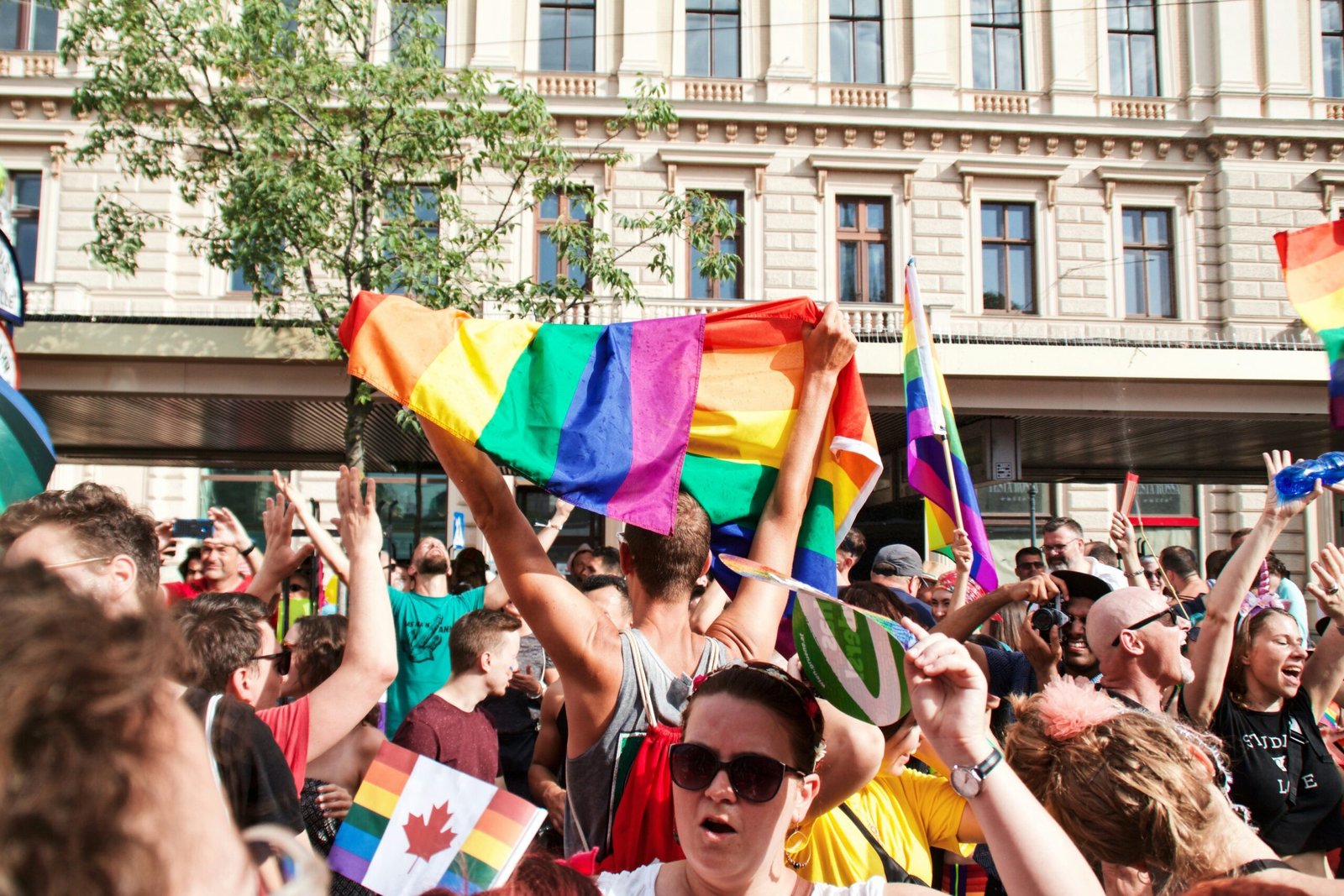
Photo by Hannah Voggenhuber on Unsplash
Addiction is a complex disease that can affect any person, no matter their background, gender identity, or sexual orientation. However, navigating substance use disorders presents distinct hurdles for the LGBTQ+ community due to societal pressures and systemic barriers. Public health research consistently shows that marginalized populations experience higher vulnerabilities to substance misuse. Understanding these realities is essential for offering meaningful assistance and fostering long-term healing within queer and trans populations.
The Weight of Intersectionality and Minority Stress in Queer Substance Use
Intersectionality compounds the vulnerability of queer individuals by merging societal prejudice against sexual orientation with the intense social stigma attached to substance abuse disorders.
This dual layer of judgment creates an overwhelming sense of isolation that often prevents people from reaching out for medical assistance during early stages of distress. Minority stress—the chronic psychological strain generated by everyday discrimination, systemic homophobia, and transphobia—acts as a powerful catalyst for substance dependence. Many queer individuals lean on alcohol or drugs as a maladaptive coping mechanism to numb the pain of rejection and historical trauma. When an individual feels continuously unwelcome in mainstream society, the threshold for seeking safe, confidential support becomes exceptionally high.
Shortfalls in Conventional Rehabilitation and the Demand for Culturally Competent Care
Standard addiction treatment facilities frequently fail LGBTQ+ patients because their staff lack specialized training in queer-specific psychological dynamics and inclusive medical care.
Patients in conventional centers may inadvertently encounter microaggressions, mandatory binary gender divisions, or a total misunderstanding of gender-affirming healthcare needs. Culturally competent care eliminates these barriers by utilizing inclusive intake forms, respecting chosen pronouns, and maintaining secure environments free from harassment. For those mapping out their healing journey, reviewing various types of addiction recovery helps patients pinpoint specialized programs that honor their authentic identity without compromising emotional safety.
Navigating Severe Gender Dysphoria Alongside Substance Dependency
Unresolved gender dysphoria and chronic body image distress dramatically elevate the risk of drug and alcohol dependence among transgender and non-binary individuals.
When transgender individuals face roadblocks in accessing gender-affirming care or encounter relentless societal misunderstanding, the resulting psychological weight can become unbearable. Without an affirming therapeutic framework to process these specific distresses, individuals may rely on chemical substances to escape painful feelings of bodily disconnect. Effective clinical intervention must address mental health and dysphoria concurrently with substance rehabilitation to prevent immediate relapse triggers.
Establishing Safe Peer Connections and Fostering Affirming Community Spaces
Finding supportive peer networks is an absolute necessity for LGBTQ+ individuals striving to rebuild stability and trust during early sobriety.
Because familial and social rejection often trigger intense loneliness, engaging with community-led support groups provides an invaluable anchor against relapse. Participating in group activities tailored for healing allows recovering individuals to share lived experiences in a space where they never have to explain or defend their identity. True self-acceptance, paired with a resilient community, empowers individuals to navigate daily life free from chemical crutches.
Coping With Familial Alienation and Constructing Chosen Support Systems
The rupture of family relationships frequently plunges queer youth and adults into housing instability and emotional trauma that directly feed addiction vulnerabilities.
When biological relatives cut off communication due to a person’s sexual orientation or gender expression, the resulting grief mirrors profound personal loss. Overcoming this hurdle often requires building chosen families who offer genuine understanding and unconditional affirmation. Healing from substance dependence within this demographic depends heavily on repairing these relational wounds and establishing secure, nurturing social structures.
Pathways to Sustainable Sobriety and Long-Term Wellness
Long-term recovery is entirely attainable for LGBTQ+ individuals when they secure empathetic professional guidance and culturally attuned rehabilitation resources.
Healing demands patience, personal resilience, and ongoing self-compassion, but no one should ever feel forced to walk this path in isolation. Comprehensive wellness requires looking at both physical sobriety and emotional resilience hand in hand. For deeper insights into managing psychological hurdles alongside physical healing, readers can review our guide on Mental Health in the LGBTQ+ Community: Unique Challenges and Support.
Frequently Asked Questions
Why are substance misuse rates higher in the LGBTQ+ community?
Rates are often elevated due to chronic minority stress, systemic discrimination, internalized stigma, and historical trauma that drive individuals toward substances as coping mechanisms.
What is double marginalization in addiction recovery?
Double marginalization refers to the compounding social stigma of belonging to a marginalized gender or sexual minority while also facing prejudice associated with addiction.
What makes a treatment program LGBTQ+ inclusive?
An inclusive program features staff trained in cultural competency, uses correct pronouns, respects gender identity, and provides a safe space free from harassment or microaggressions.
How does gender dysphoria impact substance use?
Severe distress from body image incongruence and a lack of affirming healthcare can lead individuals to self-medicate to escape emotional pain.
Why is peer support important for LGBTQ+ individuals in recovery?
Peer support combats isolation by connecting individuals with others who share similar lived experiences, fostering trust and a sense of belonging.
How does family rejection influence substance abuse risks?
Rejection by family members frequently leads to housing instability, emotional distress, and isolation, which significantly elevate the risk of turning to substances for relief.
Is long-term sobriety achievable for LGBTQ+ individuals?
Yes, with culturally competent care, personalized therapy, and a strong affirming support network, lasting recovery is entirely attainable.
Disclaimer: The information provided in this article is for educational purposes only and should not replace professional medical or psychological advice. Treatment needs vary by individual, so please consult qualified healthcare professionals or official health organizations for personalized guidance.

Daniel J. Morgan is the founder of Invidiata Magazine, a premier publication showcasing luxury living, arts, and culture. With a passion for excellence, Daniel has established the magazine as a beacon of sophistication and refinement, captivating discerning audiences worldwide.


