

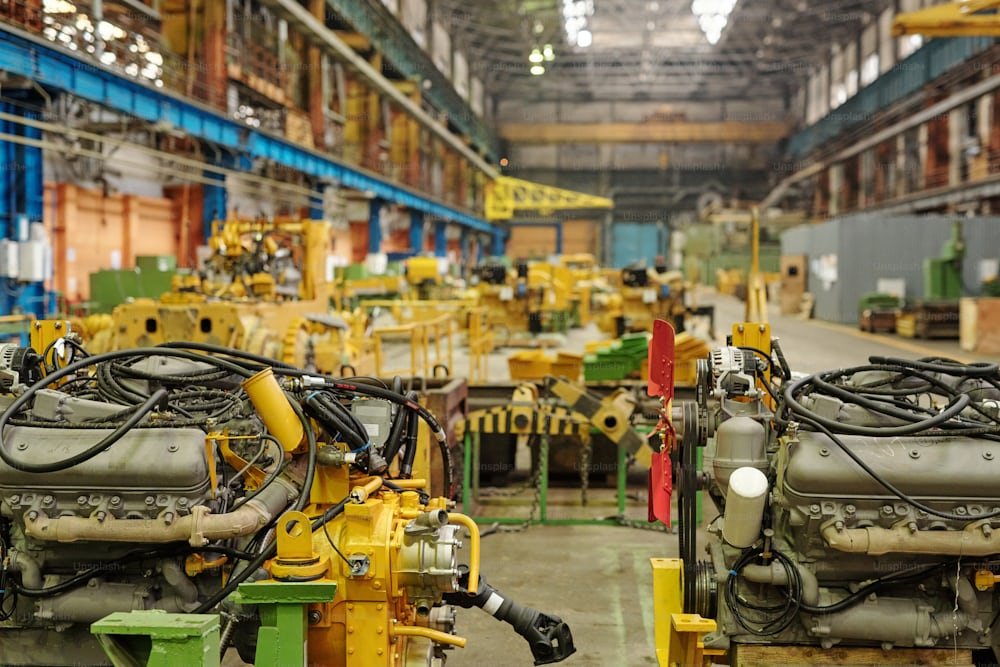
Operating an industrial facility is a complex endeavor that requires meticulous planning, strict regulatory adherence, and a deep understanding of operational dynamics. Whether facility managers are setting up a new production plant or overseeing an established site, long-term success hinges on robust preparation, proactive oversight, and the integration of modern digital workflows.
Enforcing Strict Plant Safety and Regulatory Frameworks
Plant safety forms the absolute operational bedrock of any industrial site and dictates every physical task executed on the heavy production floor. Establishing and enforcing comprehensive workplace safety measures protects floor operators, prevents catastrophic equipment shutdowns, and builds a sustainable corporate culture. Facility supervisors must conduct rigorous hazard assessments, install physical safeguards, and continuously monitor air quality and structural integrity.
Routine safety training programs keep hazard awareness at the forefront of daily employee routines, ensuring seamless compliance with occupational standards set by OSHA and international governing bodies. Furthermore, documented internal safety audits help engineering teams uncover minor equipment vulnerabilities before they escalate into dangerous workplace incidents.
Adopting Predictive Mechanical Upkeep Over Reactive Repairs
Heavy machinery and hydraulic assemblies serve as the core engine of industrial output, making equipment dependability vital for avoiding expensive production downtime. Modern manufacturing plants have largely moved past old-fashioned calendar-based maintenance logs, adopting predictive technologies that rely on live performance feeds to catch mechanical wear early.
Advanced diagnostic techniques such as continuous vibration analysis, infrared thermography, and automated IoT sensor monitoring empower technical crews to track machine health around the clock. By identifying friction heat anomalies and irregular bearing oscillations before parts fracture, plant operators successfully curtail unexpected repair expenses and extend the active lifespan of capital assets.
Optimizing Plant Power Consumption and Environmental Sustainability
Facility power consumption accounts for a massive portion of ongoing operating expenses across large-scale industrial complexes. Implementing modern energy conservation techniques allows site supervisors to slash utility overhead while simultaneously meeting stricter environmental protection mandates and corporate carbon reduction targets.
Upgrading to high-output LED task lighting, variable-frequency drive climate control units, and automated electrical load-shedding systems helps regulate power distribution across demanding production shifts. Regular facility energy audits expose hidden power drains, enabling technicians to fine-tune heavy motor efficiency without sacrificing output volume.
Core Facility Management Comparison: Traditional vs. Modern Approaches
To successfully run a modern plant, managers must understand how traditional operations contrast with current best practices across key facility domains.
| Operational Area | Traditional Approach | Modern Facility Practice |
|---|---|---|
| Equipment Maintenance | Reactive or fixed calendar checks | Predictive IoT sensor monitoring |
| Energy Management | Manual shutoffs and basic utility bills | Automated power systems and real-time audits |
| Supply Chain Control | Fixed stock buffers and single vendors | Diversified networks and automated tracking |
Streamlining Material Procurement and Inventory Visibility
Efficient supply chain oversight shields an industrial facility from unexpected material shortages and sudden transportation bottlenecks. Utilizing advanced enterprise resource planning software provides live tracking visibility into raw material stock levels, component inventories, and vendor shipping schedules.
Establishing diversified supplier networks and automated reorder triggers ensures that production schedules remain uninterrupted even during wider logistical disruptions. Strong communication channels with trusted vendors create a resilient framework for procurement and stock forecasting.
Empowering Floor Technicians Through Technical Upskilling
Investing in continuous technical skill development is vital for maintaining high production output and retaining skilled tradespeople in high-tech facilities. Comprehensive training initiatives ensure that mechanics and floor operators understand both traditional heavy machinery and modern automated control systems.
Encouraging continuous learning pathways empowers employees to suggest workflow improvements and lean manufacturing optimizations. Recognizing strong technical contributions also boosts morale and reduces employee turnover across specialized trade roles.
Executing Crisis Readiness and Plant Emergency Protocols
Preparedness for unexpected emergencies remains a critical responsibility for every industrial plant manager. Developing clear, well-documented emergency response plans ensures that personnel know precisely how to react during critical incidents like fires, chemical spills, or severe weather events.
Regular evacuation drills, well-maintained first aid stations, and clearly marked emergency lighting systems protect workers during crises. Furthermore, close collaboration with local emergency response services and municipal stakeholders ensures a coordinated effort if outside intervention becomes necessary.
Conclusion
Managing an industrial facility demands strategic oversight, careful resource allocation, and an unwavering commitment to workplace safety. By prioritizing predictive maintenance, modern energy tracking, supply chain visibility, and continuous worker training, facility operators can achieve steady, sustainable growth. For readers looking into comprehensive research methods and operational documentation standards, exploring resources like grounded web research techniques can provide additional perspective on gathering reliable industry data. Ultimately, thorough preparation ensures that long before the heavy machinery roars to life, a solid foundation for operational excellence is already in place. If you are preparing for other significant life milestones or corporate planning transitions, you may also find our guide on essential wedding preparation strategies helpful for structuring large-scale logistical events.
What are the primary priorities when operating an industrial facility?
The primary priorities include maintaining strict workplace safety, implementing reliable predictive maintenance schedules, ensuring regulatory compliance, and optimizing energy and supply chain efficiency.
Why is predictive maintenance preferred over traditional methods?
Predictive maintenance uses real-time IoT sensors and data analysis to spot equipment wear before a breakdown occurs, preventing costly emergency downtime.
How do facilities manage regulatory compliance effectively?
Facilities stay compliant by maintaining detailed operational records, conducting routine safety audits, and keeping up to date with local, state, and federal environmental laws.
What role does employee training play in industrial settings?
Proper training enhances technical skills, reinforces safety protocols, reduces human error, and helps retain skilled talent within specialized industrial roles.
How can an industrial plant improve its energy efficiency?
Plants can improve energy efficiency by conducting regular energy audits, upgrading to LED lighting and automated HVAC controls, and optimizing heavy machinery power consumption.
What steps are involved in emergency preparedness planning?
Emergency planning involves creating clear evacuation routes, conducting regular drills, maintaining emergency supplies, and coordinating with local municipal safety services.
Disclaimer: Industrial facility operations involve complex technical, safety, and regulatory requirements that vary by region and industry. Facility managers should verify all local zoning laws, environmental permits, and safety codes with official governing bodies before finalizing operational plans.


