

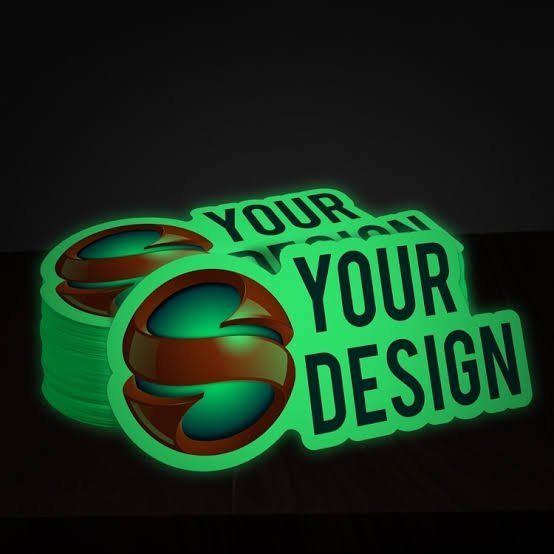
Within competitive physical marketing spaces, companies constantly look for specialized tactile assets that break through standard visual fatigue. Glow-in-the-dark stickers offer a striking photoluminescent medium that commands attention precisely when conventional print materials fade into dark backgrounds. These specialty items merge playful novelty with high-impact utility, creating unexpected brand touchpoints in dim environments. This guide examines how photoluminescent decals operate as a branding asset and why modern marketing teams integrate them into niche promotional campaigns.
The Photoluminescent Mechanics of Luminous Decals
Glow-in-the-dark stickers capture ambient daylight or indoor artificial lighting and re-emit it as a soft, sustained luminescence once surrounding illumination drops. Unlike standard vinyl graphics that require external spotlights to remain legible in dark rooms, photoluminescent materials generate their own localized point of visual interest. This chemical property relies on specialized phosphors embedded within the sticker substrate, ensuring that brand logos, icons, or secondary typography stay visible long after evening falls or venue lights dim.
Targeting Nightlife, Gaming, and Evening Event Sectors
Specific commercial industries benefit immensely from marketing tools engineered to perform in low-light conditions. Nightclubs, electronic music festivals, underground apparel brands, and esports gaming organizations frequently operate in darkened rooms where standard paper flyers disappear entirely. Applying luminous branding decals to product packaging, wristbands, skateboards, or venue hardware guarantees continuous logo exposure when customer attention is most focused on ambient atmosphere and experiential engagement.
Executing Hidden Message and Dual-Layer Design Strategies
Creative directors utilize the dual-state nature of glow-in-the-dark stickers to reveal layered brand narratives that change between daylight and darkness. A sticker might display a clean, minimalist corporate logo under normal lighting conditions while exposing a hidden secondary slogan, constellation graphic, or mascot silhouette once the lights go out. This transformation rewards observant consumers with an element of surprise, turning a simple promotional giveaway into an interactive keepsake that people actively photograph and share.
| Design Approach | Daylight State | Nighttime State |
|---|---|---|
| Hidden Typography | Neutral matte background with subtle border lines | Illuminated secret promotional code or tagline |
| Dual-Layer Logo | Full-color brand emblem or mascot illustration | Glowing skeleton outline or accent highlights |
| Immersive Scenery | Standard outdoor camping equipment graphic | Gleaming star maps, trails, or nocturnal elements |
Transforming E-Commerce Unboxing Into Shareable Moments
Direct-to-consumer brands often rely on unboxing sequences to drive organic social media visibility and customer loyalty. Placing a luminous decal inside an e-commerce shipping box introduces an immediate sensory element when the recipient opens the package in a dimly lit room. Because the glowing sticker highlights the brand symbol unexpectedly, customers frequently capture the moment on video or photo platforms, expanding organic reach without increasing paid ad spend.
Material Durability and Eco-Conscious Substrate Choices
Evaluating physical sticker production requires balancing longevity against sustainability goals for modern eco-aware consumers. Traditional photoluminescent vinyl provides exceptional weather resistance and UV protection for outdoor gear, vehicle bumpers, and heavy-use water bottles. Meanwhile, emerging biodegradable paper stocks and non-toxic luminous coatings appeal to green-minded buyers who demand responsible corporate sourcing without sacrificing the glowing visual effect.
Driving Digital Engagement Through Physical Scavenger Hunts
Brands can bridge offline tactile experiences with digital communities by organizing location-based challenges utilizing glowing decals. Companies frequently distribute specialty stickers at live conventions or hide them in urban environments, prompting community members to find, photograph, and share them online using specific hashtags. Organizers aiming to manage large-scale promotional activations efficiently often coordinate logistics closely, and event planners can also look into how a lead retrieval app can boost your event’s success.
Conclusion
Glow-in-the-dark stickers provide a specialized, highly engaging method for brands seeking to leave a memorable impression beyond standard daylight hours. Their unique photoluminescent behavior, combined with creative design flexibility, allows companies in nightlife, retail, and entertainment to stand out in crowded markets. By thoughtfully incorporating luminous decals into packaging, event giveaways, or interactive campaigns, businesses can elevate visual visibility and foster genuine consumer connection.
Frequently Asked Questions
How long do glow-in-the-dark stickers stay illuminated after charging?
The duration depends heavily on ambient light exposure quality and phosphor grade, but high-output commercial stickers typically glow brightly for several minutes initially, followed by a softer, sustained luminescence lasting up to several hours.
Can full-color custom logos be printed over photoluminescent vinyl?
Yes, professional printers apply transparent or translucent colored inks over the luminous base layer, though heavy ink saturation across the entire surface can slightly dampen the maximum nighttime glow intensity.
Are glow-in-the-dark stickers weather-resistant for outdoor promotional use?
Most commercial-grade luminous decals utilize heavy-duty vinyl substrates protected by UV-resistant laminates, ensuring they withstand rain, sunlight, and wear when applied to outdoor equipment or vehicles.
What lighting conditions charge photoluminescent materials most efficiently?
Direct sunlight, high-intensity indoor fluorescent fixtures, and ultraviolet blacklights deliver the fastest and most complete charge to activate the phosphorescent pigments inside the sticker.
How do production costs compare between standard and luminous vinyl stickers?
Because photoluminescent films require specialized chemical pigments and heavier backing materials, glow-in-the-dark stickers carry a higher unit cost than standard vinyl, though bulk manufacturing orders significantly reduce per-piece pricing.
Do removable adhesive backs leave residue when peeled off surfaces?
Many suppliers offer clean-release removable adhesives specifically engineered to peel away easily from smooth surfaces like laptops, mobile devices, and packaging without leaving sticky chemical residue behind.
Disclaimer: Material compositions, durability ratings, and luminous performance standards vary across commercial print providers. Brands should request physical samples, review adhesive specifications, and confirm bulk pricing details directly with their manufacturer before starting large-scale promotional campaigns.

Passionate content writer and savvy blog publisher, Aamir crafts compelling stories and insightful articles that captivate and inform. With a knack for blending creativity and strategy, they bring fresh perspectives to every piece. Dive into their world of words and discover content that resonates.


