

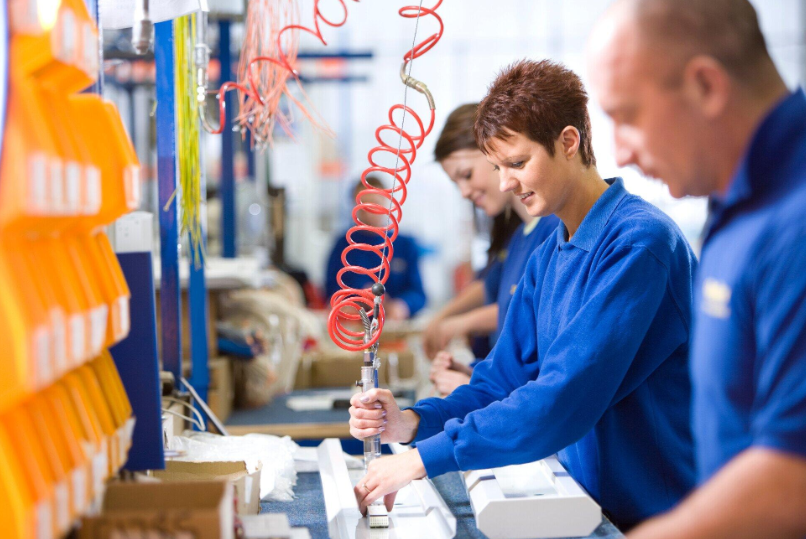
Are you making the most of your team’s apparel in manufacturing operations? Selecting the right clothing does far more than create a uniform visual identity—it forms a critical layer of defense against shop floor hazards, optimizes daily comfort, and plays a direct role in maximizing productivity through efficient business operations.
Modern manufacturing environments present diverse thermal, mechanical, and chemical challenges that ordinary work clothes simply cannot handle. Plant managers must treat apparel procurement as an active engineering decision rather than a routine administrative purchase. This comprehensive guide outlines the essential factors required to keep industrial teams fully protected, compliant, and operational.
Conducting a Comprehensive Hazard Assessment Before Selection
Safety managers must evaluate specific shop floor risks before choosing any garment class for manufacturing workers.
Every production floor possesses a unique combination of potential hazards, ranging from moving robotic assembly arms and abrasive metal shavings to corrosive chemical splashes and open electrical panels. A formal job hazard analysis ensures that the chosen apparel directly targets these specific vulnerabilities instead of relying on generic safety assumptions. For example, assembly lines involving heavy pneumatic tools require tear-resistant weaves, whereas chemical processing areas demand specialized liquid-barrier treatments that repel specific acids or solvents without breaking down under exposure. Furthermore, conducting regular reviews of injury logs and near-miss reports allows safety coordinators to identify subtle clothing failures, such as snagging points or inadequate wrist coverage, before they result in major workplace incidents.
Navigating Core Safety Compliance Standards and Regulatory Updates
Industrial workwear must strictly align with current regulatory frameworks enforced by agencies like OSHA and performance specifications set by ANSI.
High-visibility garments must comply with updated ANSI/ISEA guidelines, which categorize vests, jackets, and trousers based on background material area and reflective tape configuration to ensure workers remain clearly visible around heavy forklift traffic and loading docks. Simultaneously, electrical and high-heat roles require flame-resistant and arc-rated garments meeting rigorous performance codes such as NFPA 70E. Failing to verify these certifications exposes facility operators to severe regulatory penalties, costly operational shutdowns, and compromised worker safety. Staying proactive about standard revisions ensures that safety protocols evolve in tandem with industrial technology.
Balancing Ergonomic Comfort and Advanced Fabric Durability
Plant environments place intense physical demands on workers, making advanced fabric technology a vital consideration for daily apparel.
Traditional heavy cotton often absorbs sweat and restricts movement during long shifts, leading to premature fatigue and physical discomfort. Modern manufacturing facilities increasingly utilize engineered synthetic-cotton blends featuring active moisture management, advanced mechanical stretch, and smart-cooling fibers that improve breathability near high-temperature furnaces or unventilated assembly bays. These technical fabrics maintain their structural integrity through repeated industrial laundering cycles while allowing workers to bend, reach, and lift without binding or tearing. Investing in high-durability fabrics also reduces long-term replacement costs, preventing frequent wardrobe failures in abrasive settings.
Modern Apparel Procurement, Vending, and Inventory Logistics
Managing large-scale workwear distribution efficiently requires modern supply chain strategies tailored to industrial plants.
Many facilities have moved away from traditional manual stock rooms by implementing automated PPE vending machines or managed rental programs that track individual sizing, issuance frequency, and garment replacement cycles digitally. Automated dispensing ensures that team members can swap out damaged or soiled high-visibility vests and gloves at the start of every shift without administrative delays or inventory bottlenecks. Partnering with professional industrial laundry services also guarantees that specialized protective garments undergo rigorous cleaning and specialized inspection to preserve their flame-resistant and liquid-repellent properties over years of heavy use.
Enhancing Shop Floor Culture Through Branding and Identification
Clear visual identification on the production floor improves interdepartmental communication and reinforces organizational standards.
Color-coded garments and embroidered job titles allow supervisors, safety coordinators, and facility visitors to instantly distinguish between machine operators, maintenance technicians, and logistics personnel. This operational clarity minimizes confusion during active shifts and accelerates emergency response coordination when every second counts. Furthermore, incorporating clean company emblems into durable uniforms fosters a cohesive team culture, which directly supports wider workplace retention strategies and organizational success across the entire manufacturing enterprise.
Why is employee apparel considered an operational strategy rather than a uniform?
Workwear directly impacts injury rates, physical fatigue, regulatory compliance, and daily workflow efficiency across the entire plant floor.
What triggers the need for a formal hazard assessment in garment selection?
Any introduction of new machinery, chemical processes, electrical panels, or thermal equipment requires an updated assessment to match clothing protection levels.
How do modern fabric technologies improve worker comfort in heavy manufacturing?
Advanced synthetic blends offer moisture-wicking properties, mechanical stretch for full mobility, and specialized cooling fibers designed for hot industrial environments.
What are the benefits of automated PPE vending machines in plants?
Automated dispensers provide 24/7 access to required gear, track inventory usage precisely, and ensure compliance without manual stockroom bottlenecks.
Why is professional industrial laundering recommended for specialized workwear?
Industrial cleaning services ensure that safety treatments, such as flame-resistant coatings and reflective strips, remain intact and fully functional over time.
How does role-based color coding improve shop floor safety?
Distinct color schemes allow teams to instantly identify authorized technicians and maintenance specialists, speeding up coordination during routine tasks and emergencies.
Disclaimer: Safety codes, material specifications, and regulatory standards are subject to change. Plant managers and safety officers must verify all compliance requirements directly with official sources such as OSHA and ANSI before finalizing procurement contracts.


