
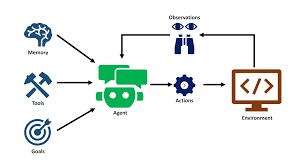
Autonomous agents are transforming how companies approach automation, decision-making, and customer service. For business leaders eager to stay competitive, understanding how to design, deploy, and manage these systems is essential. By taking a thoughtful approach, organizations can make sure their automation strategies deliver value without sacrificing control, transparency, or customer trust.
Agentic AI is at the heart of this shift toward intelligent automation. Unlike traditional bots or rigid workflows, agentic AI systems are designed to act with goals in mind, adapt to new information, and coordinate complex tasks. This enables businesses to automate processes that once required human judgment, such as handling nuanced customer interactions or managing dynamic supply chains. For leaders considering this technology, the key is to focus on practical design choices that ensure agents work effectively while aligning with business goals.
The first practical tip for designing successful autonomous agents is to define clear objectives. An agent’s effectiveness depends on its ability to pursue well-defined goals while handling variations and exceptions. Leaders should identify specific processes where human-like reasoning adds value—like customer support, invoice reconciliation, or procurement approvals. Defining precise goals helps avoid scope creep, reduces risk, and ensures the automation delivers measurable results.
Next, invest in training and context. Agentic AI systems need data and business rules to make informed decisions. Simply automating existing processes without context can lead to poor results. For instance, customer service agents should be trained with real customer queries, business policies, and tone guidelines to respond appropriately. Similarly, agents managing invoices or orders should understand business approval hierarchies and financial policies. By supplying high-quality data and clear business logic, companies give agents the knowledge they need to make sound decisions.
Another important consideration is human oversight. Even advanced agentic AI should not operate in a black box. Leaders should establish review processes and escalation paths for cases the agent cannot resolve. For example, an agent handling supplier negotiations might flag deals exceeding a certain value for human approval. This approach ensures that while the AI drives efficiency, humans remain in control of critical business outcomes.
Transparency is also essential. Business users and stakeholders should be able to see how and why an agent makes decisions. Tools that offer audit trails, rule explanations, and performance dashboards can help teams understand and trust the system. This is particularly important in regulated industries where accountability is key. Transparent design improves user adoption and minimizes the risk of surprises that could harm customer relationships or compliance efforts.
Security and data privacy should be built into the design from the start. Agentic AI systems often handle sensitive information—customer details, financial records, or intellectual property. Leaders must ensure the systems comply with data protection laws and follow best practices like encryption, role-based access, and regular audits. Clear data handling policies help prevent breaches and maintain customer trust.
Integration with existing systems is another practical tip. Agentic AI should not operate in isolation but should connect seamlessly with ERPs, CRMs, messaging tools, and other business software. Well-integrated agents can fetch data, trigger workflows, and update records automatically. Investing in integration reduces manual effort, eliminates data silos, and maximizes ROI.
Finally, adopt an iterative approach. Instead of attempting to automate everything at once, leaders should start with high-impact, low-risk use cases. Pilot programs let teams test, learn, and improve the agent’s design before scaling it across the organization. Feedback loops, regular evaluations, and continuous training help keep the agent aligned with evolving business needs.
In conclusion, agentic AI offers a powerful way for businesses to automate complex processes with human-like reasoning. By defining clear goals, training systems with quality data, maintaining transparency, ensuring security, and planning for integration, leaders can design autonomous agents that deliver real value while staying in control. A thoughtful, step-by-step approach helps companies embrace the benefits of automation while avoiding common pitfalls, setting the stage for long-term success.

Daniel J. Morgan is the founder of Invidiata Magazine, a premier publication showcasing luxury living, arts, and culture. With a passion for excellence, Daniel has established the magazine as a beacon of sophistication and refinement, captivating discerning audiences worldwide.