

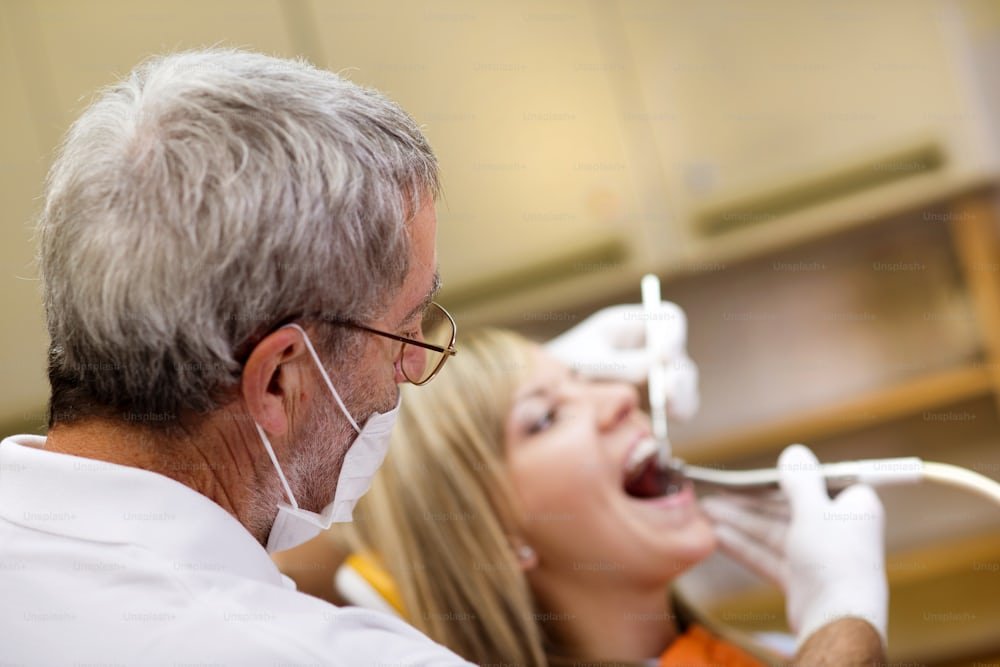
Many people experience intense fear or anxiety when facing a dental visit, which often causes them to postpone or completely avoid necessary health appointments. This apprehension stems from several common triggers, including past traumatic experiences, a general fear of physical discomfort, or uncertainty regarding unfamiliar dental tools and clinical procedures. Fortunately, contemporary dental practices, such as New Image Dental in Inglewood, employ specialized techniques and empathetic approaches explicitly designed to ease these worries and ensure a supportive environment.
For numerous individuals, thinking about visiting a dental clinic evokes deep-rooted nervousness that ranges from mild unease to full panic. Avoiding routine checkups frequently allows minor oral health issues to escalate into severe, painful complications that demand much more complex treatments later on. Understanding why this fear happens is the first step toward reclaiming control over personal health and finding a reliable clinical team that prioritizes patient comfort.
Understanding Why Dental Fear Happens
Dental anxiety typically develops from a combination of psychological, physical, and emotional triggers that accumulate over a lifetime. Recognizing these distinct root causes allows dental professionals to tailor their care and address specific patient worries directly.
Fear Of Pain: This represents the most frequent obstacle for anxious patients. Previous encounters with discomfort or sharp sensations during childhood or past treatments create a lasting mental barrier.
Fear Of Loss Of Control: Sitting back in a reclined dental chair while someone works inside the mouth makes many individuals feel vulnerable and stripped of their personal autonomy.
Fear Of Needles And Instruments: The visual presence of metal tools, the high-pitched hum of drills, and the anticipation of local anesthetic injections trigger significant distress for sensitive patients.
Embarrassment Or Shame: Worrying about the current state of neglected teeth or gums causes deep self-consciousness, preventing people from seeking help until a crisis occurs.
What Modern Dental Practices Do Differently
Modern dental clinics transform the traditional clinical atmosphere by shifting the entire focus toward personalized, stress-free patient experiences. New Image Dental recognizes these emotional challenges and implements comprehensive protocols to establish a calm, welcoming environment from the moment a patient walks through the door.
Patient-centered care begins with a friendly, non-judgmental staff who listen actively to personal histories without assigning blame. Dentists invest time in open communication, explaining every step of a proposed procedure before any instruments touch the teeth. This transparency builds mutual trust and restores a sense of personal control to the individual in the chair. Additionally, gentle clinical techniques and extensive patient education regarding oral hygiene empower individuals to participate actively in their own treatment plans.
Advanced Sedation and Comfort Technologies Available
Advanced technology and modern sedation options have revolutionized how clinicians manage physical discomfort and nervous tension. Contemporary practices utilize state-of-the-art tools designed to bypass traditional triggers entirely, such as computer-assisted local anesthesia delivery systems that eliminate the sudden pressure of standard syringes.
Digital scanners replace messy, gag-inducing traditional impression trays with quick, comfortable optical images. For patients experiencing severe phobias or undergoing complex procedures, customized sedation tiers provide varying degrees of relaxation:
| Sedation Type | Best Suited For | Patient Experience |
|---|---|---|
| Nitrous Oxide (Laughing Gas) | Mild to moderate anxiety | Inhaled gently through a mask, producing light relaxation that wears off quickly after the procedure. |
| Oral Conscious Sedation | Moderate to severe fear or lengthy visits | Prescription medication taken before the appointment, causing deep relaxation while remaining conscious. |
| IV Sedation | Extreme phobia or complex oral surgery | Administered intravenously by trained professionals, leaving the patient deeply asleep or unaware of the procedure. |
For more detailed information on maintaining optimal dental wellness and understanding clinical evaluations, patients can read what a general dentist looks for during your dental exam to better prepare for routine checkups.
Steps You Can Take Before Your Appointment
Patients can actively practice several pre-appointment strategies to manage anticipatory anxiety before stepping foot inside the clinic. Booking appointments during morning hours prevents individuals from spending the entire day worrying about an upcoming visit. Bringing a trusted friend or family member along provides valuable emotional support in the waiting room.
Establishing a simple physical hand signal with the dentist allows patients to communicate immediately if they need a brief pause during a procedure. Practicing slow, controlled breathing exercises while sitting in the waiting area helps lower elevated heart rates and relaxes tense muscles. These small, deliberate actions bridge the gap between booking care and experiencing a calm, successful appointment.
Frequently Asked Questions
Is dental sedation completely safe for anxious patients?
Yes, when administered by trained dental professionals who review your complete medical history and monitor your vital signs throughout the procedure, sedation options like nitrous oxide and oral medication are very safe.
Can I bring someone with me into the treatment room?
Many compassionate dental practices allow a trusted friend or family member to accompany you into the treatment room or stay close by to help you feel secure during your visit.
What should I tell my dentist on my first visit?
You should openly share your past negative experiences, specific triggers, and overall level of fear so the clinical team can customize their approach to your comfort level.
Do modern dental tools make less noise than older drills?
Modern high-speed handpieces and electric drills operate much more quietly and efficiently than older legacy models, significantly reducing the unsettling sounds associated with dental work.
How can I stop worrying about being judged for my teeth?
Professional dentists view oral health issues clinically rather than critically, focusing entirely on restoration and healing without judgment or shame.
Will dental insurance cover the cost of sedation?
Coverage for sedation services varies widely depending on your specific insurance provider and whether the sedation is deemed medically necessary for complex surgical treatments; checking with your insurer beforehand is recommended.
Dental anxiety and fear should never prevent anyone from achieving optimal oral health. By selecting a practice that prioritizes patient communication, advanced comfort technology, and gentle care, individuals can overcome their reservations and maintain healthy smiles for life. Readers should verify final clinical details, specific sedation availability, and insurance policies directly with official practice staff before scheduling treatment.


