

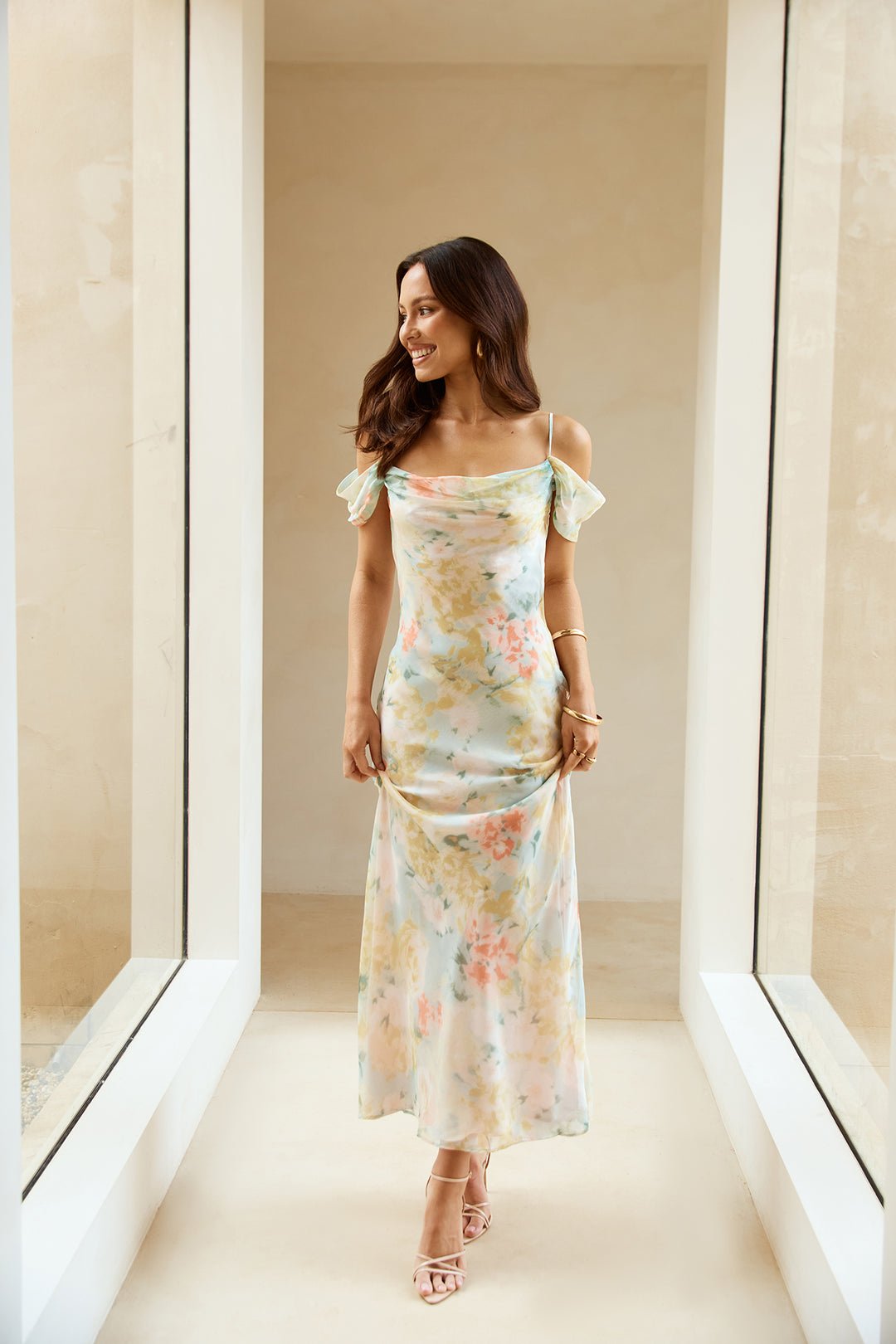
Buying a beautiful dress is only the first step toward building a complete outfit, because the real transformation happens when you choose your styling additions thoughtfully. Many people purchase short-sleeve dresses and leave them completely bare, missing an easy opportunity to elevate their personal style. Because short sleeves create a distinct horizontal line across your upper arms, adding finishing touches requires a specialized approach that respects arm proportions and fabric weight. Whether you are dressing for a relaxed daytime gathering or a refined evening event, knowing how to coordinate your extras transforms a simple garment into a polished statement.
Working with Arm Volume and Sleeve Length Limits
Short-sleeve dresses present unique styling boundaries because the hem of the sleeve dictates where your arm jewelry and upper-body accents must rest. When a dress features tailored caps, fitted cuffs, or voluminous details like gathered puff sleeves, your accessories have to share physical space with the garment fabric. If your sleeves are ornate or heavy, piling on chunky bracelets will crowd your lower arms and create a cluttered appearance. Instead, analyze your sleeve cut before reaching for jewelry, ensuring that dainty bracelets or bare wrists counterbalance any volume happening higher up on your arms.
Balancing Bicep-Level Hems with Wristwear Proportions
Wristwear demands careful calibration because bangles, cuffs, and timepieces sit directly adjacent to the bottom edge of your short sleeves. When you wear a fitted sleeve that ends mid-bicep, a sleek metal cuff or a minimalist watch creates a clean break that elongates the arm visually. For ruffled or bell-shaped short sleeves that flare outward, skipping wrist jewelry entirely often lets the dramatic fabric shape take center stage without visual competition. If you prefer wearing rings or hand harnesses, they draw the eye downward to your fingers, keeping the wrist zone uncluttered while still providing plenty of sophisticated shine.
Framing the Face Above the Sleeve Line
The expanse of skin between your collarbone and your short-sleeve neckline creates a crucial canvas for earrings and necklaces that connect your upper body to the dress. High crewneck short-sleeve dresses leave very little room for chest pendants, making architectural earrings or stacked rings the ideal choice to add personality without crowding your neck. Conversely, scoop or V-neck short-sleeve cuts invite delicate chain necklaces that echo the neckline geometry while leaving a comfortable gap between the metal and the sleeve fabric. Keeping this vertical distance balanced ensures your face remains the natural focal point of the ensemble.
Anchoring Your Outfit with Intentional Footwear and Bags
Footwear and handbags complete the outer silhouette of your short-sleeve dress by grounding the visual weight distributed across your arms and torso. Casual daytime short-sleeve cotton or linen dresses pair effortlessly with strappy leather sandals, minimalist mules, or clean canvas sneakers for an easygoing aesthetic. Formal evening short-sleeve silhouettes crafted from silk or satin demand elevated footwear like pointed-toe pumps or delicate heeled slingbacks. When selecting a handbag, match its hardware finish to your jewelry selections, opting for structured top-handle styles for formal affairs and relaxed crossbody bags for daytime wear.
Adapting Accessories Across Seasonal Transitions
Transitioning a short-sleeve dress from warm summer afternoons into crisp autumn weather requires layer-conscious accessorizing that maintains your overall aesthetic balance. Adding a structured blazer, a cropped denim jacket, or a fine cashmere wrap over your short sleeves changes the structural dynamics of your outfit entirely. When wearing outerwear over short sleeves, your bracelets should either be tucked beneath the jacket cuff or removed to prevent awkward bunching along your forearms. Meanwhile, swapping canvas daytime totes for structured leather satchels and trading open-toe sandals for ankle boots instantly grounds the lighter dress fabric in cooler temperatures.
For those who love exploring different clothing styles, understanding how to coordinate your look is similar to preparing for special occasions, much like planning your outfit for a beachside wedding ceremony or outdoor event where every garment detail matters.
Frequently Asked Questions
Can I wear bracelets with a bell-sleeve short dress?
It is generally best to avoid bracelets with bell sleeves because the flaring fabric will constantly catch on the jewelry and look cluttered.
How do I choose necklace lengths for a crewneck short-sleeve dress?
High crewneck dresses work best with either no necklace at all or a short collar chain that sits neatly above the fabric line.
Should my handbag hardware match my arm jewelry?
Matching your handbag zippers and clasps to your bracelets and rings creates a unified, polished look across your entire outfit.
Are wristwatches appropriate for formal short-sleeve evening dresses?
Sleek, minimalist dress watches with metallic or fine leather straps can look quite elegant, though traditional formal events often favor delicate bracelets.
How do I prevent my accessories from overpowering a patterned short-sleeve dress?
Opt for minimalist solid-metal pieces like thin rings and stud earrings to provide subtle shine without competing with busy fabric prints.
What footwear works best for casual daytime short-sleeve dresses?
Flat leather sandals, block-heel mules, or clean white low-top sneakers keep the overall vibe relaxed and comfortable for daily wear.
Disclaimer: Fashion styling guidelines are flexible and depend heavily on personal taste, body type, and specific event dress codes. Experiment with different combinations to discover what makes you feel most confident.


