

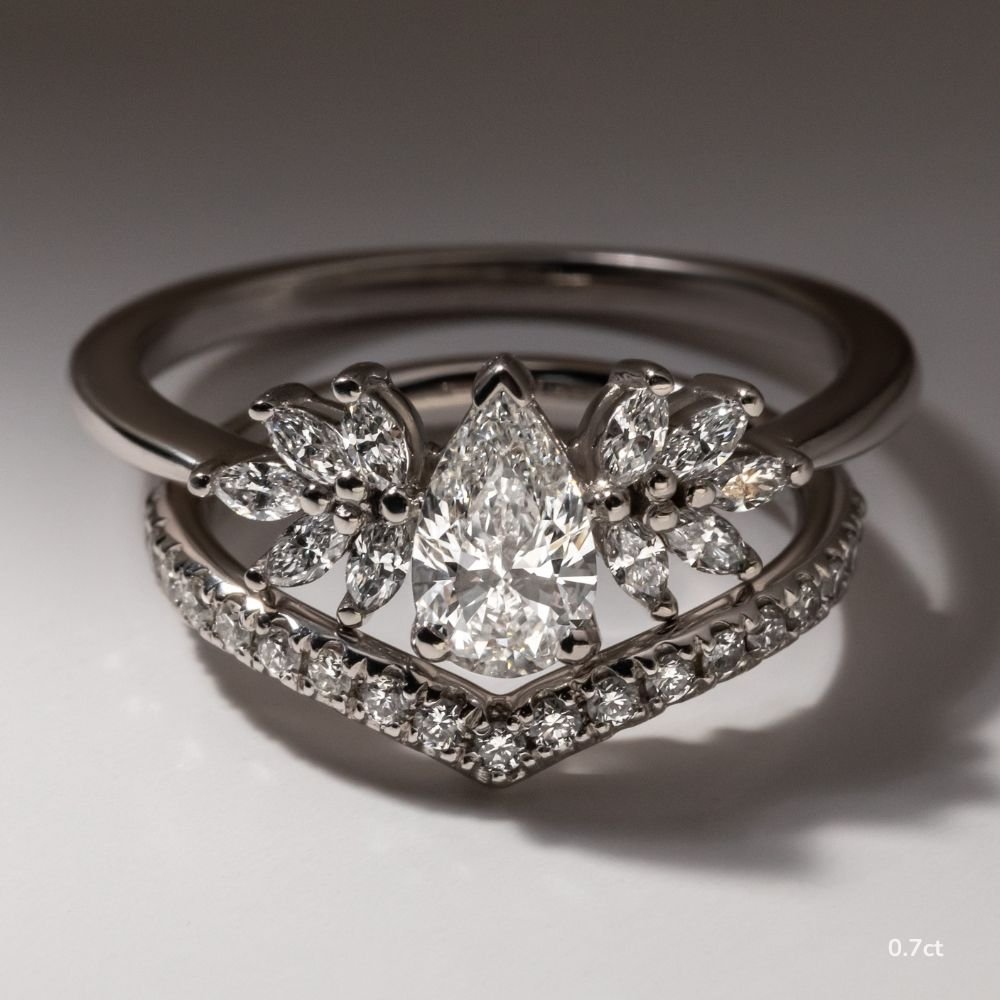
For ages, traditional diamonds have served as the ultimate symbol of fidelity and shared devotion within human culture. Today, diamonds cultivated through advanced laboratory science are reshaping expectations around high-end jewelry. These controlled gems offer identical chemical composition and brilliant fire to subterranean stones without the associated heavy ecological impact.
Selecting a 1 carat diamond ring lab grown provides couples with an ideal balance of visual presence and financial sensibility. This thorough reference explores how modern technology, precise grading standards, and craftsmanship unite to honor personal milestones.
The Scientific Genesis of Engineered Gemstones
Laboratory-grown diamonds emerge from advanced technological facilities that faithfully duplicate the intense geological conditions of the earth’s mantle.
Instead of relying on centuries of subterranean tectonic activity, modern gemological engineers utilize High Pressure High Temperature (HPHT) presses and Chemical Vapor Deposition (CVD) chambers. These processes introduce a tiny carbon seed into a controlled environment where carbon atoms crystallize layer by layer. The resulting crystalline lattice possesses the exact optical dispersion and physical hardness of mined diamonds, making them physically indistinguishable to the naked eye.
Market Economics and Consumer Value Shifts
Engineered diamonds deliver distinct pricing advantages over traditional counterparts due to streamlined, transparent supply chains.
Traditional mining operations involve massive capital outlays for earth-moving equipment, extensive land disruption, and complex multi-tier distribution channels. In contrast, streamlined laboratory production reduces overhead costs, passing substantial savings directly to the final buyer. This financial efficiency enables couples to allocate their budget toward higher clarity grades, more intricate precious metal bands, or complementary wedding jewelry.
Evaluating the Four Cs for a 1-Carat Center Stone
Assessing cut, clarity, colour, and carat weight ensures that a one-carat lab-grown diamond achieves optimal light return and lasting structural beauty.
| Grading Parameter | Impact on a 1-Carat Lab-Grown Stone |
|---|---|
| Cut Quality | Governs facet angles and light refraction; excellent cuts maximize brilliance and mask microscopic internal variations. |
| Clarity Grade | Measures internal inclusions; eye-clean tiers such as VS1 or VS2 offer flawless visual transparency at accessible price tiers. |
| Colour Scale | Ranges from D to Z; near-colourless grades like G or H appear pristine and white while avoiding the high premiums of D-color stones. |
| Carat Weight | Quantifies physical mass; a 1-carat size provides a balanced face-up surface area that complements diverse hand shapes. |
Architectural Mountings and Setting Options
The chosen ring mounting acts as an architectural frame that secures the central gem while defining its unique visual identity.
- Classic Solitaire: Lifts the one-carat diamond on slender prongs to maximize unrestricted light entry from every possible angle.
- Halo Configuration: Surrounds the central stone with micro-pavé accents, artificially expanding the perceived surface area of the ring.
- Three-Stone Layout: Places matching side stones beside the main gem to create a balanced silhouette representing personal history.
- Vintage Filigree: Integrates hand-carved milgrain edges and intricate metalwork for an heirloom-inspired aesthetic.
- Bezel Setting: Encases the diamond perimeter in a smooth metal rim, offering maximum snag protection for active lifestyles.
Documentation and Independent Certification Protocols
Independent laboratory grading reports issued by authoritative gemological institutions guarantee the objective quality metrics of any purchased diamond.
Before finalizing an acquisition, buyers should verify that the vendor supplies verified certificates from organizations such as the International Gemological Institute (IGI). Furthermore, reviewing retailer return windows, insured shipping terms, and structural craftsmanship warranties ensures complete buyer confidence throughout the selection process.
Preserving Luster Through Everyday Maintenance
Routine home maintenance safeguards the polished finish of precious metals and keeps diamond facets free from accumulated skin oils.
Because manufactured diamonds share the absolute score of 10 on the Mohs mineral hardness scale, the stone itself resists scratching from daily friction. However, surrounding gold or platinum settings require gentle cleaning using warm water, mild liquid detergent, and a soft-bristled brush. Storing the ring inside a fabric-lined pouch when not worn prevents accidental scuffing against other accessories.
For additional perspective on how engineered center stones compare to traditional options, readers can explore this perspective on modern synthetic center stones.
Frequently Asked Questions
Are lab-grown diamonds classified as authentic stones?
Yes, engineered diamonds feature the exact same crystalline atomic structure, carbon makeup, and optical fire as mined diamonds.
Can standard jewelers identify lab-grown diamonds visually?
Standard magnification loupes cannot separate mined diamonds from lab-grown specimens because their visual properties are identical.
Do engineered diamond rings retain financial resale value?
Like traditional fine jewelry, lab-grown rings experience market depreciation after purchase, meaning they are best acquired for emotional significance.
Which certification agencies provide the most reliable reports?
Independent institutions like the International Gemological Institute issue detailed grading dossiers that outline precise cut, color, and clarity grades.
What is the safest cleaning method for home upkeep?
Soaking the ring briefly in a bowl of warm soapy water followed by gentle brushing removes surface oils and restores maximum sparkle.
Do lab-grown diamonds offer superior supply chain ethics?
Yes, laboratory production avoids the heavy earth excavation and opaque labor histories tied to historical subterranean mining.
Disclaimer: Precious gemstone market valuations, grading criteria, and retail policies shift over time. Consumers should verify final product documentation and return terms directly from official supplier portals prior to purchase.


