

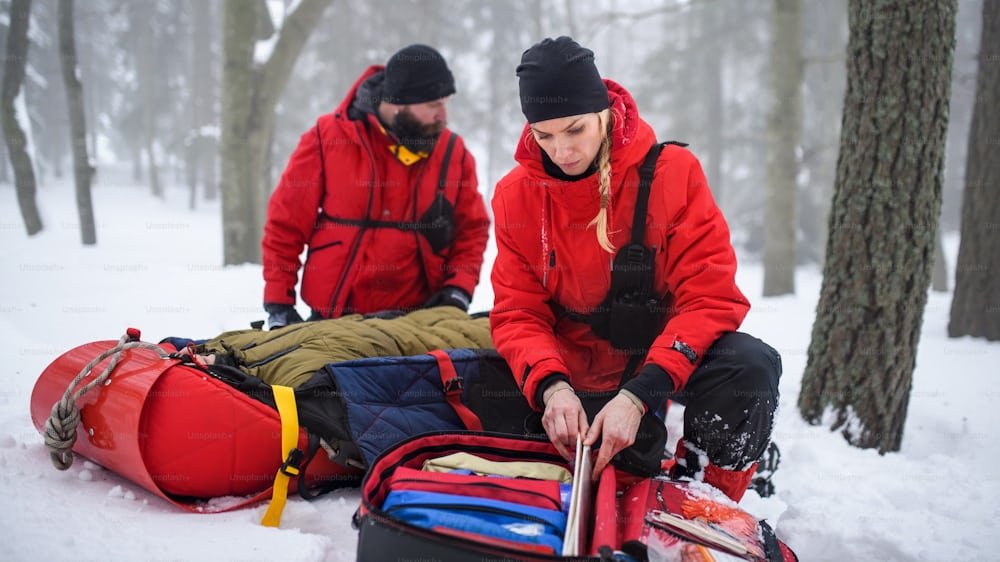
When participating in rugged outdoor sports and remote wilderness activities, accidents happen far away from traditional medical infrastructure. A sudden fall on a rocky mountain bike trail, a swift water current during a kayaking trip, or an unexpected blizzard on a backcountry hike can turn an ordinary adventure into a critical medical emergency. Having the right first aid knowledge and physical supplies ensures that minor cuts do not turn into severe infections and major trauma receives immediate stabilization before evacuation teams arrive.
The Remote Reality: Why Wilderness Medical Needs Differ From Urban Incidents
Wilderness medical incidents require prolonged care and improvisation because professional emergency services are often hours or even days away from the scene.
Urban accidents benefit from rapid ambulance dispatches and nearby hospital emergency rooms. In contrast, outdoor enthusiasts face delayed rescue times, unreliable mobile communication, and challenging terrain that prevents quick vehicle access. Because professional help is distant, outdoor participants must act as primary caregivers during the critical hours following an injury. Knowing how to manage environmental exposure, monitor vital signs, and prevent hypothermia or heat stroke can keep an injured athlete or explorer stable until professional transport becomes available.
Addressing Common Trailhead and Sports Injuries On-Site
Managing common trailhead and sports injuries promptly prevents minor scrapes and twisted joints from derailing an entire expedition.
Outdoor sports routinely expose participants to lacerations, abrasions, joint sprains, and blunt force impacts. Cleaning a dirty skin scrape with sterile water and applying an antiseptic dressing stops bacteria from entering the wound during physical exertion. Similarly, using elastic wraps to stabilize a rolled ankle provides the temporary structural support required to walk out of a trail safely. Individuals wanting to expand their general safety knowledge can review fundamental medical skills everyone should master to build confidence before heading into rough terrain.
| Outdoor Injury | Typical Activity Source | Immediate Field Treatment |
|---|---|---|
| Severe Laceration | Falls on sharp rocks or equipment | Apply firm direct pressure, clean with sterile saline, and secure a protective bandage. |
| Joint Sprain | Uneven foot placement or skiing | Rest the joint, apply compression wraps, and avoid bearing weight on the limb. |
| Suspected Fracture | High-impact cycling or climbing falls | Immobilize the affected bone using rigid splints without altering the natural alignment. |
| Environmental Heat Illness | Strenuous summer hiking or paddling | Move into shaded areas, loosen heavy clothing, and provide cool fluids slowly. |
Critical Care Protocols for Backcountry Crises
Backcountry crises demand decisive interventions such as controlling massive bleeding and performing CPR when rescue teams are unreachable.
Extreme outdoor pursuits carry the risk of life-threatening trauma, including compound fractures, severe head injuries, or cardiac events brought on by intense physical exertion. When arterial bleeding occurs, applying direct pressure or a tourniquet saves precious minutes before blood loss causes shock. In worst-case scenarios where an explorer collapses from cardiac arrest on a remote mountain peak, performing continuous hands-only cardiopulmonary resuscitation keeps oxygenated blood moving to vital organs until an air ambulance can reach the site.
Packing an Effective Wilderness Medical Kit
Packing an effective wilderness medical kit bridges the gap between theoretical safety knowledge and practical hands-on treatment.
Every outdoor adventurer should pack a durable, weather-resistant medical kit tailored to their specific activity and environment. Standard kit contents should feature adhesive bandages, sterile gauze rolls, medical tape, antiseptic wipes, trauma shears, tweezers, and non-latex gloves. Specialized items like blister protection pads, burn dressings, triangular bandages, and personal prescription medications are equally valuable. Waterproof storage containers protect these essential supplies from heavy rain, river crossings, and damp forest humidity.
Building Competence Through Certified Hands-On Training
Building competence through certified hands-on training ensures that outdoor participants develop the muscle memory required to act calmly under pressure.
Reading instructional guides provides a solid baseline, but physical practice on training manikins and simulated injury scenarios is irreplaceable. Formal first aid courses teach students how to prioritize casualties, manage airway blockages, and improvise medical tools using items found in a backpack. Group training sessions also help outdoor clubs, athletic teams, and family expedition groups establish clear communication and teamwork protocols before they face real-world emergencies.
Frequently Asked Questions About Outdoor First Aid
Common questions about outdoor first aid address kit contents, certification renewal timelines, and managing wilderness medical scenarios.
What items belong in a standard outdoor first aid kit?
A reliable kit includes adhesive bandages, sterile gauze, medical tape, antiseptic wipes, trauma shears, tweezers, blister pads, and personal medications.
How often should my first aid and CPR certification be renewed?
Standard first aid credentials usually require renewal every three years, while CPR certifications typically expire annually or biennially.
Are urban first aid techniques effective in remote wilderness settings?
Core medical principles remain identical, but wilderness protocols emphasize prolonged care, resource improvisation, and delayed evacuation planning.
What is the most frequent injury encountered during hiking and camping trips?
Minor cuts, scrapes, painful skin blisters, and mild ankle sprains represent the vast majority of day-to-day wilderness injuries.
How should I handle a suspected bone fracture far from help?
Immobilize the injured bone using rigid splints and soft padding, keep the patient comfortable, and initiate emergency evacuation immediately.
Why is hands-on instruction superior to reading manuals online?
Physical practice builds real-world confidence, muscle memory, and proper technique that static reading materials simply cannot replicate.
Disclaimer: This article offers educational information only and does not substitute for professional medical guidance, diagnosis, or accredited emergency training. Wilderness conditions change rapidly, so verify all safety guidelines with certified outdoor rescue authorities before embarking on remote excursions.


