

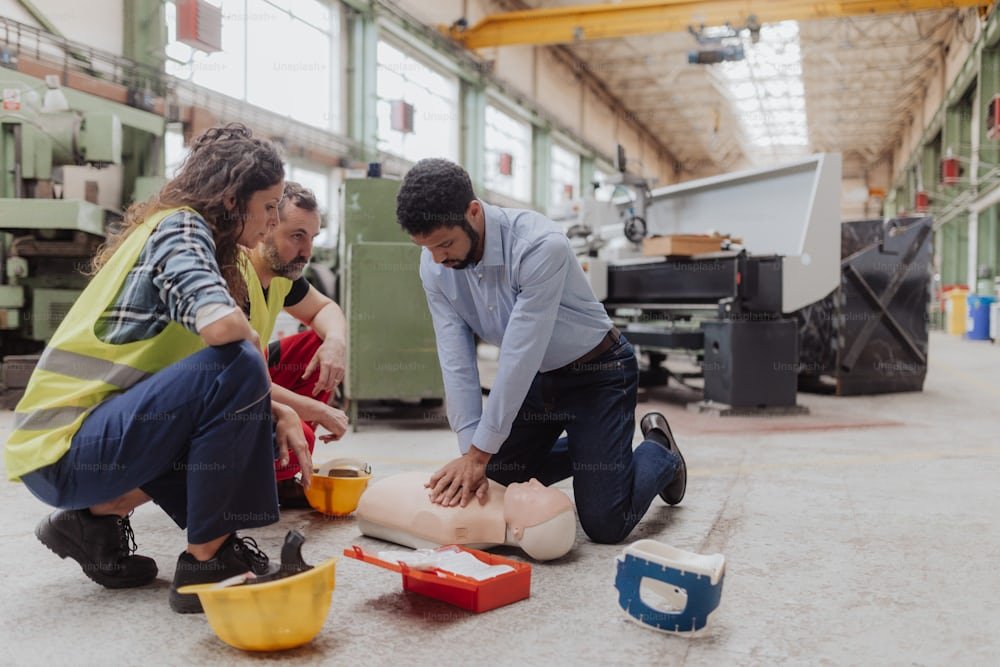
At work, physical safety is the single most important foundation for a healthy organization. To keep workers safe and protected, it is never enough to simply provide a secure physical workspace; employers must also ensure their team members know how to handle sudden medical emergencies. This comprehensive guide explores why workplace first aid training remains a vital pillar of modern organizational success, safeguarding both human well-being and operational continuity across diverse professional sectors.
Understanding Workplace First Aid Requirements and Compliance
Employers must understand that workplace first aid compliance involves meeting evolving statutory regulations and maintaining appropriate ratios of trained personnel for their specific industry and headcount.
Regulatory bodies such as occupational health and safety agencies regularly update their guidelines to reflect changing workplace risks, hybrid employment structures, and new industrial hazards. Business owners who invest in certified training demonstrate genuine legal compliance while actively safeguarding their most valuable assets. This proactive approach to safety guidelines builds mutual trust, satisfies labor union agreements, and strengthens professional morale across the entire workforce. Furthermore, keeping up to date with shifting regional mandates helps companies avoid costly legal penalties and administrative inspections.
Core Components of a Modern First Aid Program
A thorough workplace first aid program covers essential technical skills that empower staff to handle sudden injuries and medical incidents before professional paramedics arrive.
Employees typically learn cardiopulmonary resuscitation, wound management, fracture stabilization, and proper treatment for minor burns or accidental chemical exposures. Mastering these core techniques ensures that the team can respond effectively to common occupational hazards. Additionally, staff members learn how to coordinate emergency response protocols, communicate clearly with emergency dispatchers, and properly utilize automated external defibrillators and first aid kits under high-pressure conditions. Practical simulations and hands-on drills are usually integrated so workers retain muscle memory and feel confident when real incidents occur.
Physical vs. Psychological First Aid: A Balanced Approach
Modern workplaces must address both physical trauma and psychological distress by integrating emotional support into their safety training framework.
While treating cuts, sprains, and cardiac events remains critical, supporting the mental well-being of employees who witness or experience a crisis is equally important. Psychological first aid involves offering calm, compassionate communication and practical support to minimize acute emotional distress and prevent long-term trauma. Recognizing that mental health emergencies require immediate care helps create a truly supportive, empathetic, and resilient work culture that looks after the complete person. Training programs increasingly feature guidance on identifying panic attacks, severe anxiety, and acute stress reactions among colleagues.
How First Aid Training Directly Benefits Your Business
Organizations that prioritize employee training experience measurable improvements in operational continuity, lower absenteeism rates, and reduced workplace downtime.
When injured staff receive prompt, professional initial care, minor incidents are less likely to develop into severe, long-term medical conditions requiring extended leave. Furthermore, companies known for maintaining rigorous safety standards naturally enhance their reputation among clients, investors, and prospective talent. For readers looking to expand their understanding of safety practices beyond the office, reviewing resources like the importance of first aid training in everyday life provides valuable perspective on personal preparedness. Cultivating an environment centered on protection ultimately translates into higher workforce retention and a more engaged, loyal team.
How to Implement and Maintain First Aid Readiness at Work
Implementing a successful workplace safety program requires choosing certified training providers, establishing clear re-certification schedules, and maintaining fully stocked emergency kits.
Employers should evaluate local certified training organizations that offer hands-on practice sessions rather than relying solely on passive online modules. Establishing a recurring schedule ensures that certifications for cardiopulmonary resuscitation and advanced techniques remain current year after year. Regular inventory checks of emergency supplies guarantee that medical kits are never missing essential tools when an unexpected crisis occurs across company facilities. Appointing a dedicated safety coordinator helps oversee these regular equipment audits and keeps staff training rosters fully updated.
Frequently Asked Questions
How often must employees renew their workplace first aid certifications?
Most standard first aid certifications require renewal every three years, while cardiopulmonary resuscitation and automated external defibrillator certifications typically expire annually or biennially.
What determines how many trained first aiders a company needs?
The required number of trained personnel depends on total staff headcount, workplace risk levels, shift patterns, and specific regional occupational health and safety guidelines.
Are employers legally required to pay for employee first aid training?
In many jurisdictions, occupational health regulations mandate that employers provide designated first aiders and cover the associated training costs to maintain a compliant environment.
What should be included in a standard workplace first aid kit?
A standard kit should contain adhesive bandages, sterile gauze pads, antiseptic wipes, medical tape, disposable gloves, scissors, and specialized items dictated by specific workplace hazards.
Can online courses replace hands-on first aid training?
While online learning can cover theoretical concepts, practical hands-on instruction is essential for mastering physical skills like chest compressions, rescue breathing, and bandaging.
How does psychological first aid differ from traditional medical care?
Psychological first aid focuses on reducing initial emotional distress and offering human support rather than diagnosing or treating clinical mental health disorders.
Disclaimer: Workplace safety regulations and training requirements can vary significantly by jurisdiction and industry sector. Employers should verify final compliance standards with local authorities and official regulatory bodies to ensure complete adherence.


