

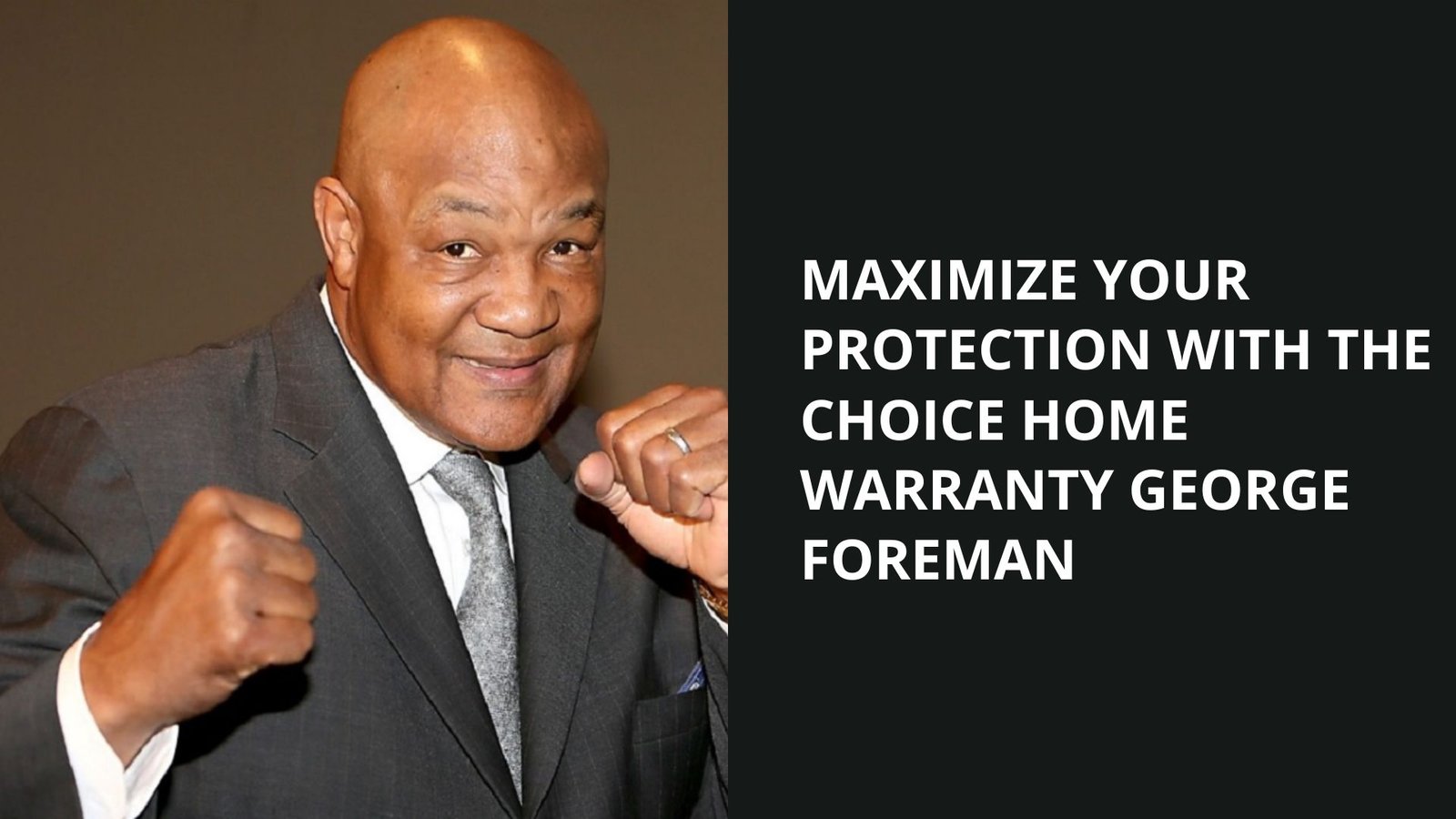
When it comes to protecting essential household systems and appliances against unexpected mechanical breakdowns, choosing a dependable service contract can significantly reduce out-of-pocket expenses. Choice Home Warranty has established a strong market presence over the years, receiving widespread household recognition through prominent celebrity endorsements from legendary sports figures like George Foreman. This trusted home protection provider offers structured coverage tiers designed to shield property owners from the high costs of repairing aging equipment. In this detailed overview, we examine how these contracts function, what coverage options include, and what homeowners should evaluate before signing up.
How Celebrity Visibility Shaped Household Awareness
High-profile marketing campaigns featuring respected public figures helped introduce home warranty concepts to millions of mainstream consumers.
When legendary heavyweight champion George Foreman became a prominent spokesperson and brand ambassador for Choice Home Warranty, television advertisements and promotional features brought everyday repair protection into living rooms across the country. This celebrity backing did more than just boost brand visibility; it sparked broader conversations among homeowners about proactive property maintenance. Instead of waiting for a furnace or water heater to fail catastrophically and drain emergency savings, everyday consumers began looking into service contracts as a practical budgeting tool. Recognizing the difference between corporate spokespersons and actual plan mechanics ensures that customers focus on policy terms rather than marketing appeal alone.
Distinguishing Everyday Wear from Property Insurance
Home warranty coverage operates on an entirely different premise than standard homeowners insurance policies.
While property insurance primarily protects against sudden, catastrophic disasters like fires, severe storms, or wind damage, home warranties specifically address the mechanical breakdown of appliances and systems resulting from normal wear and tear. Older properties often experience declining efficiency in plumbing lines, electrical panels, and cooling units simply due to age and daily use. A specialized service contract steps in precisely where standard hazard insurance steps out, covering internal components that wear down over time. For a deeper look into structuring your overall household safeguards, reviewing resources such as evaluating various home protection tiers helps clarify how different agreements manage everyday mechanical failures versus external property damage.
Core Protection Tiers and Included Equipment
Protection plans are typically divided into distinct categories to accommodate different household needs and budgets.
Most providers structure their offerings into appliance-specific plans, major system-focused plans, or combined comprehensive packages. The table below outlines how these typical coverage divisions separate household assets.
| Plan Category | Typical Covered Items | Primary Focus |
|---|---|---|
| Appliance Plan | Refrigerators, dishwashers, clothes washers, dryers, stoves, ovens, built-in microwaves | Standalone kitchen and laundry appliances prone to mechanical failure |
| Total Plan | Combination of major appliances plus heating, cooling, plumbing, and electrical systems | Comprehensive protection across both home systems and everyday appliances |
Understanding these distinct categories ensures that homeowners select a contract that matches the specific age and condition of their property’s infrastructure.
Managing Trade Service Fees and Contract Limits
Navigating service call charges and policy caps is critical for maintaining realistic expectations throughout the claims process.
Whenever a repair technician visits your home to diagnose a covered issue, a trade service call fee is typically collected at the time of service. This fee is separate from your annual contract premium and applies per trade visit, meaning separate fees apply if an electrician and a plumber are dispatched for different issues. Furthermore, providers enforce maximum payout caps per item or per contract term. Carefully reading your agreement ensures you understand these financial parameters before initiating a repair request.
Evaluating Advantages and Common Policy Limitations
Weighing the positive aspects of a service contract against its restrictions helps determine its true value for your household.
On the beneficial side, having access to a pre-vetted network of licensed technicians saves property owners the stressful task of vetting local contractors during an emergency breakdown. On the limiting side, standard agreements exclude pre-existing conditions, rust, cosmetic damage, or failures caused by improper prior installation or neglected maintenance. Recognizing these boundaries prevents unpleasant surprises when a claim is evaluated by the provider’s adjusters.
Enrollment Steps and Policy Activation
Securing a service agreement involves a transparent quote and signup process designed for straightforward accessibility.
Homeowners begin by visiting the provider’s official portal to request a customized, no-obligation quote based on their geographic location and property size. Once a preferred plan is selected online or via phone support, the initial payment is processed. A standard waiting period, commonly lasting thirty days, typically precedes the activation of active coverage, ensuring that policies are not purchased merely in response to an already broken appliance.
Frequently Asked Questions
What role did George Foreman play with Choice Home Warranty?
George Foreman served as a prominent celebrity spokesperson and brand ambassador, helping raise mainstream consumer awareness through national advertising campaigns.
How do home warranties differ from standard property insurance?
Home warranties cover mechanical failures caused by normal everyday wear and tear, whereas property insurance covers external disasters like fires and storms.
Are pre-existing conditions covered under a standard contract?
No, standard agreements explicitly exclude defects or mechanical failures that existed prior to the policy’s effective start date.
How much is the required trade service call fee?
The exact service fee varies depending on your specific contract selections and promotional terms, and it is payable at the time of each technician visit.
Is a home inspection required before purchasing coverage?
A home inspection is generally not required to enroll in a plan, though unverified or neglected equipment may face scrutiny during claims processing.
When does active protection begin after enrollment?
Active coverage typically commences following a brief waiting period, often thirty days after your initial payment and contract processing are completed.
Disclaimer: Home warranty terms, pricing structures, service fees, and coverage availability are subject to change. Readers should always verify final contract details and policy exclusions directly through official provider sources before purchasing any home protection plan.

Daniel J. Morgan is the founder of Invidiata Magazine, a premier publication showcasing luxury living, arts, and culture. With a passion for excellence, Daniel has established the magazine as a beacon of sophistication and refinement, captivating discerning audiences worldwide.


