

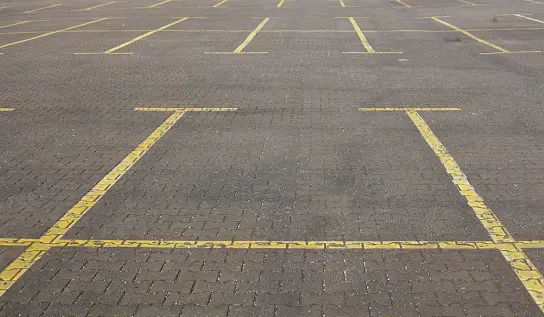
Key Takeaways
- Balancing immediate material budgets against lifecycle replacement expenses remains critical for commercial parking lot owners.
- Selecting between asphalt and concrete depends heavily on local traffic volume, climate extremes, and soil bearing capacity.
- Integrating permeable aggregates and proper sub-base compaction ensures long-term resistance to heavy vehicular loads and stormwater runoff.
Table of Contents
- Planning Commercial Paving Projects Wisely
- Comparing Asphalt and Concrete Surfaces
- Utilizing Permeable Pavements for Better Drainage
- Essential Subgrade and Foundation Requirements
- Protecting Your Investment Through Routine Upkeep
- Working Effectively with Professional Contractors
| Feature | Asphalt | Concrete |
|---|---|---|
| Initial Cost | Lower | Higher |
| Lifespan | 20–30 years (with maintenance) | 30–40+ years |
| Cure Time | Days (fast turnaround) | Weeks (full strength) |
| Maintenance Needs | Sealcoating every 2–3 years | Occasional joint sealing and washing |
For additional property enhancement ideas that pair well with durable surface installations, explore our guide on building a sustainable foundation for long-term homeownership.
Planning Commercial Paving Projects Wisely
Property managers must navigate rising construction material expenses and strict municipal stormwater mandates when designing a durable commercial layout. The intersection of heavier delivery trucks, frequent thermal expansion cycles, and sudden storm surges means that conventional paving methods require careful engineering adjustments. Selecting appropriate aggregate foundations and surface binders prevents premature rutting, alligator cracking, and sub-base washout. Additionally, planning your surface layout carefully allows you to mirror the thoughtful organization required when evaluating garage space for your vehicles on larger commercial properties.
Furthermore, modern property owners must account for local zoning regulations that penalize excessive impervious surface coverage. Balancing these regulatory pressures with the need for smooth, safe driving lanes requires a comprehensive evaluation of site-specific soil conditions and anticipated vehicular weights before any heavy machinery arrives on site.
Comparing Asphalt and Concrete Surfaces
Asphalt and concrete offer entirely different structural behaviors when subjected to continuous commercial traffic and fluctuating weather conditions. Asphalt relies on flexible petroleum binders that absorb kinetic shock and accommodate minor sub-grade shifts without instantly snapping, making it ideal for large retail lots where rapid installation minimizes business interruption. However, petroleum-based binders soften under intense summer heat waves and oxidize over time, requiring routine sealcoating applications every few years to preserve elasticity.
Conversely, rigid concrete surfaces utilize cementitious binders that distribute heavy truck loads across a broader sub-grade area, preventing the formation of wheel ruts and fluid-induced potholes. While concrete requires a larger initial capital investment and a longer cure time before opening to traffic, its thirty-to-forty-plus-year service life often delivers superior long-term value for heavy industrial applications.
Utilizing Permeable Pavements for Better Drainage
Municipalities increasingly enforce strict runoff limitations that compel property developers to incorporate eco-friendly drainage solutions into their parking infrastructure. Permeable interlocking concrete pavers and porous asphalt feature open-graded stone reservoirs beneath the surface, allowing rainwater to filter downward into the underlying soil rather than overwhelming municipal storm sewers. This natural infiltration process reduces local flood risks, recharges local aquifers, and helps commercial real estate developments meet environmental compliance targets without installing expensive detention basins.
Recycled asphalt pavement offers another sustainable alternative by repurposing milled materials from older construction sites into fresh sub-base layers. Blending reclaimed aggregates with modern binding agents cuts down on raw material consumption while maintaining the structural resilience needed for daily visitor parking and commercial delivery operations.
Essential Subgrade and Foundation Requirements
The ultimate durability of any paved parking lot is determined entirely by the unseen foundation layers hidden deep beneath the surface wear course. Paving contractors must perform rigorous soil testing to determine load-bearing capacities, excavating unstable clay soils and replacing them with well-graded crushed stone aggregates. Mechanical compaction eliminates trapped air voids within these sub-base layers, ensuring that heavy delivery trucks will not cause localized sinking or structural collapse over time.
Equally important is the implementation of precise surface grading and slope designs that direct rainwater away from parking stalls and toward engineered catch basins. Preventing standing water from pooling on the pavement surface stops moisture from seeping into the sub-base, which eliminates the primary trigger for freeze-thaw cracking and sub-grade erosion during winter storms.
Protecting Your Investment Through Routine Upkeep
A proactive maintenance schedule saves commercial property owners substantial capital by arresting minor surface blemishes before they evolve into expensive structural failures. Asphalt surfaces demand immediate crack sealing and professional sealcoating to block ultraviolet rays and moisture infiltration, whereas concrete surfaces require periodic inspection of control joints and expansion joints to prevent water penetration and weed growth. Routine power washing removes stubborn chemical oil drips, de-icing salts, and fine dirt particles that can slowly degrade cementitious and bituminous binding matrices.
Implementing a structured inspection routine every spring and autumn helps catch emerging drainage anomalies or localized sub-base settling before heavy winter frosts accelerate the damage. Addressing these minor distress points with targeted patching preserves the overall integrity of the parking lot and extends its functional service life by many years.
Working Effectively with Professional Contractors
Partnering with experienced, certified paving contractors ensures that the engineering specifications outlined in the project design are executed with precision on site. Property owners should carefully review contractor licensing credentials, commercial general liability insurance certificates, and historical project portfolios before executing any formal construction agreement. Furthermore, securing comprehensive written warranties that cover both material defects and installation workmanship provides essential financial protection against premature pavement failure.
Detailed project proposals should explicitly state sub-base thickness measurements, compaction test standards, asphalt tonnages, and concrete psi ratings to eliminate costly misunderstandings. Establishing clear communication channels regarding traffic staging plans and phased construction zones also ensures that daily business operations experience minimal disruption while the parking lot is being paved.
What is the typical lifespan of an asphalt parking lot?
An asphalt parking lot typically lasts between twenty and thirty years when supported by a properly compacted aggregate sub-base and maintained through regular sealcoating and crack sealing.
Why does concrete cost more to install than asphalt?
Concrete requires intensive manual labor, specialized finishing equipment, and higher raw material costs, though it compensates with a longer operational lifespan and minimal upkeep requirements.
How long must property owners wait before driving on new asphalt?
Vehicles can usually traverse newly laid asphalt within twenty-four to forty-eight hours, but heavy delivery trucks should be restricted until the binder cools and cures completely.
How do permeable pavements manage heavy stormwater runoff?
Permeable pavements utilize open-graded stone beds beneath porous surface layers that allow rainwater to drain directly into the ground rather than flooding municipal storm systems.
What causes premature cracking in commercial parking lots?
Premature cracking usually stems from inadequate sub-base compaction, excessive vehicular weight loads, trapped moisture expansion, and severe seasonal temperature fluctuations.
How frequently should asphalt commercial lots be sealcoated?
Asphalt surfaces generally benefit from professional sealcoating every two to three years to lock out moisture and shield the petroleum binder from ultraviolet oxidation.
Why is sub-base preparation more important than surface thickness?
A stable sub-base distributes heavy vehicle loads evenly across the underlying earth, preventing the structural sinking and fatigue cracking that surface thickness alone cannot stop.
Disclaimer: Paving material costs, construction timelines, and local municipal building codes vary significantly based on geographic region and specific site engineering constraints. Property owners should consult qualified local civil engineers and paving specialists to verify all regulatory requirements before initiating construction.


