

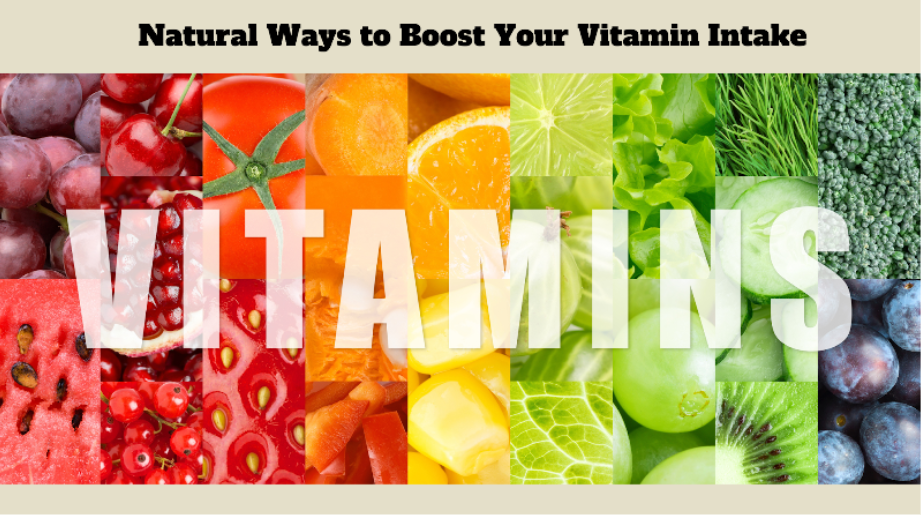
Making sure you get enough essential nutrients in a busy daily schedule can feel challenging. Without adequate vitamins, overall health and daily energy levels start to suffer, which raises the question of how to increase nutrient consumption naturally. Prioritizing whole foods, strategic ingredient pairings, and smart lifestyle choices allows you to elevate your vitamin levels without simply turning to synthetic supplements.
Why Whole-Food Vitamins Outperform Laboratory Isolates
Whole foods provide vitamins packaged together with beneficial fiber, antioxidants, and trace minerals that work synergistically inside the body. The human digestive tract absorbs and recognizes vitamins more efficiently when they come from real food rather than isolated laboratory compounds. Relying primarily on fresh ingredients establishes a solid nutritional foundation that supports long-term wellness.
Targeted Foods for Daily Vitamin Needs
Targeted dietary adjustments form the most reliable baseline for meeting daily requirements across a wide spectrum of essential micronutrients. Incorporating specific colorful produce, leafy greens, nuts, and seeds into regular meals ensures your body receives varied nutritional support.
| Food Category | Key Vitamins Provided | Primary Health Benefits |
|---|---|---|
| Leafy Greens (Spinach, Kale) | Vitamins A, C, E, K, Folate | Supports immune function and lowers chronic disease risk |
| Nuts and Seeds (Almonds, Pumpkin Seeds) | B-Complex, Magnesium, Vitamin E | Improves heart health and aids cellular repair |
| Citrus and Berries | Vitamin C, Bioflavonoids | Enhances iron absorption and protects cell integrity |
Consuming a handful of nuts daily helps manage cholesterol levels, while leafy greens supply vital compounds that protect cardiovascular health over time.
Combining Foods to Maximize Nutrient Absorption
Strategic food pairing ensures that the vitamins consumed are actually absorbed and utilized by your system rather than passing through unused. Combining iron-rich plant foods like spinach with vitamin C sources such as bell peppers or citrus juice drastically increases iron absorption rates. Similarly, fat-soluble vitamins—specifically vitamins A, D, E, and K—require dietary fats like olive oil, avocado, or salmon to cross the intestinal wall effectively.
Getting Safe Vitamin D from Sunlight
Sunlight remains one of the most effective natural catalysts for vitamin D synthesis in the human body. Spending brief periods outdoors during peak daylight hours allows skin cells to manufacture this crucial hormone naturally. Most adults require only two to three weekly sessions lasting between ten and thirty minutes, depending on skin tone and geographic location, to maintain adequate levels while avoiding sunburn risks.
Choosing Fortified Foods Carefully
Fortified foods offer a convenient way to bridge nutritional gaps, provided you carefully inspect product labels for unwanted additives. Many plant milks, whole-grain cereals, and orange juices are enhanced with vitamin D, calcium, and B12 to assist individuals with dietary restrictions. However, shoppers should check nutrition facts to ensure these items do not harbor excessive added sugars, sodium, or high-fructose corn syrup that undermine their health benefits.
Supporting Gut Health for Better Vitamin Uptake
Gastrointestinal health directly dictates how well your body processes and retains the nutrients you ingest through your daily meals. Chronic stress, poor sleep hygiene, and gut microbiome imbalances can impair intestinal absorption and deplete vital B-vitamins and vitamin C. Maintaining proper hydration, managing daily stress, and eating fiber-rich foods to feed beneficial gut bacteria create an internal environment where vitamin uptake thrives.
Using Supplements as a Backup Plan
Supplements should serve as a targeted safety net rather than a primary replacement for a nutrient-dense diet. Individuals following strict plant-based diets or managing specific health conditions may struggle to get enough vitamin B12 or vitamin D from food alone. Consulting a healthcare professional before starting any regimen helps identify true deficiencies and prevents accidental over-supplementation.
For individuals seeking broader lifestyle inspiration to improve their daily routines, exploring guides like our overview on top 6 healthy ways to boost your mental well-being can offer additional holistic wellness strategies.
Frequently Asked Questions
What are the best natural sources of vitamin D?
Fatty fish like salmon, egg yolks, and safe sun exposure are the most effective natural sources of vitamin D.
How can I enhance plant-based iron absorption?
Pairing plant-based iron sources like lentils or spinach with vitamin C-rich foods significantly increases iron uptake.
Are vitamin supplements necessary if I eat a balanced diet?
Most people eating a diverse, whole-food diet do not need supplements, though specific deficiencies require professional guidance.
How long should I stay in the sun for vitamin D?
Ten to thirty minutes of midday sun exposure a few times a week is generally enough for natural vitamin D synthesis.
Do fortified foods count as natural vitamin sources?
Fortified foods are processed items with added nutrients, making them helpful dietary tools even if they are not strictly whole foods.
Can poor gut health affect my vitamin levels?
An unhealthy gut microbiome can impair the digestive system’s ability to absorb essential vitamins efficiently.
What happens if I take too many fat-soluble vitamins?
Fat-soluble vitamins accumulate in body tissue, meaning excessive intake from supplements can lead to toxicity, unlike water-soluble vitamins.
Disclaimer: This article is for informational purposes only and does not substitute for professional medical advice. Always consult a qualified healthcare provider regarding dietary changes, nutritional deficiencies, or supplement use.


