
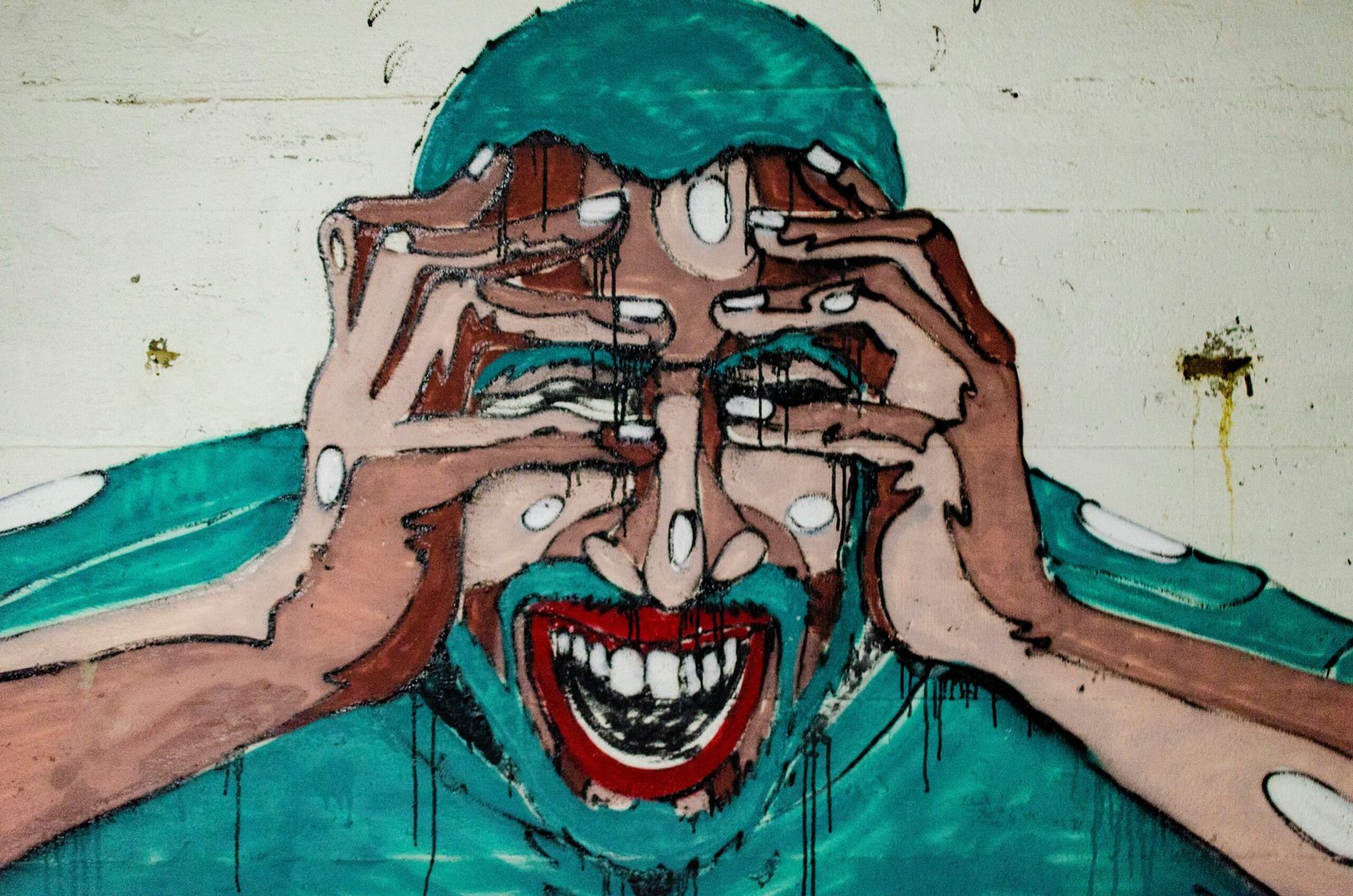
Photo by Aarón Blanco Tejedor on Unsplash
Coping with demanding daily pressures while managing dependent drinking habits creates an exhausting physical and psychological loop. When high anxiety meets self-medication, everyday responsibilities become overwhelming, making professional guidance essential. Understanding how nervous system strain and alcohol use interact is the first step toward breaking the cycle and building sustainable wellness.
Intense work environments, financial strain, and personal turmoil frequently drive individuals toward alcohol seeking quick relief. Over time, however, this habit changes how the body handles pressure, deepening the original distress. Seeking expert support through a qualified care center helps individuals address both the behavioral patterns and the underlying triggers driving the substance use.
Why People Use Alcohol to Escape Daily Pressure
When individuals rely on alcohol to blunt emotional distress, the brain’s natural ability to regulate tension becomes compromised.
Alcohol temporarily depresses the central nervous system, creating a deceptive sensation of calm during stressful moments. Once the alcohol metabolizes and leaves the bloodstream, the nervous system rebounds with a surge of anxiety that often feels much worse than the initial tension. This rebound effect tricks the brain into craving another drink simply to feel normal, turning occasional stress relief into a chemical dependency.
How Heavy Drinking Alters Your Nervous System
Chronic drinking physically alters the hormonal systems responsible for governing the body’s reaction to pressure and fear.
Repeated exposure to high alcohol levels desensitizes key neurotransmitter receptors, impairing the hypothalamic-pituitary-adrenal axis over time. Consequently, the body’s baseline stress threshold drops significantly, meaning everyday inconveniences trigger a disproportionate fight-or-flight response. This biological shift explains why people in early recovery frequently experience heightened sensitivity to minor frustrations and why targeted medical support is so valuable.
Telling Casual Drinking Apart from Physical Dependence
Recognizing when evening relaxation turns into an involuntary reliance on alcohol allows people to seek help before health complications compound.
Casual drinkers can easily skip a drink or stop after a single glass without emotional distress, whereas dependent individuals feel a persistent mental fixation on their next drink when tension mounts. Warning signs include escalating tolerance, irritability during sober hours, and concealing drinking habits from loved ones. For those exploring structured rehabilitation pathways, reviewing various types of addiction recovery can clarify the differences between outpatient counseling and residential care.
Professional Help for Alcohol Dependence and Anxiety
Comprehensive treatment models simultaneously evaluate co-occurring mood disorders and physical dependence to ensure long-term stability.
Medically Supervised Detoxification
Abruptly stopping heavy alcohol consumption triggers dangerous physiological reactions, including severe tremors, autonomic instability, and seizures. Medical detox environments ensure patient safety by monitoring vital signs and administering supportive care to manage withdrawal safely.
Medication-Assisted Treatment Protocols
Targeted pharmaceutical agents help normalize brain chemistry, dampening intense cravings and reducing the reinforcing rewarding effects of alcohol during recovery.
Residential and Partial Hospitalization Care
Immersive treatment settings remove individuals from environmental triggers, providing intensive individual therapy, psychiatric oversight, and structured peer groups.
Flexible Outpatient Counseling
Outpatient programs offer scheduled therapeutic sessions while allowing patients to maintain employment, household duties, and personal support systems at home.
Peer Support Networks
Community-based mutual aid groups connect recovering individuals with peers who share similar experiences, reinforcing accountability and mutual encouragement.
Healthy Daily Habits to Replace Alcohol
Building a robust toolkit of non-chemical coping strategies is essential for navigating sudden emotional distress without returning to alcohol.
Somatic exercises, such as paced diaphragmatic breathing and progressive muscle relaxation, signal safety directly to the vagus nerve during high-stress episodes. Engaging in regular physical exertion helps burn off excess adrenaline and naturally elevates mood-regulating neurotransmitters. Furthermore, incorporating outdoor hobbies into a weekly schedule provides a healthy mental reset; for instance, many individuals find that enjoying e-bikes for a stress-free lifestyle offers an enjoyable way to combine cardiovascular movement with fresh air.
Frequently Asked Questions
Why does emotional tension create such a powerful craving for alcohol?
Stress elevates cortisol and anxiety levels, and because alcohol quickly depresses the central nervous system, the brain learns to associate it with immediate artificial relief.
Is it medically safe to stop heavy drinking without supervision?
Stopping long-term heavy drinking abruptly can lead to life-threatening withdrawal complications like delirium tremens, making professional medical detox essential.
How long does neurological healing take after quitting alcohol?
While baseline brain chemistry begins stabilizing within weeks of abstinence, significant emotional and cognitive recovery often spans several months of continuous sobriety.
What is dual diagnosis care in addiction treatment?
Dual diagnosis treatment addresses co-occurring mental health conditions, such as clinical depression or generalized anxiety, alongside substance use disorders at the same time.
Can lifestyle modifications alone resolve an alcohol dependency?
While exercise, diet, and mindfulness support overall wellness, true physical dependence typically requires professional clinical intervention and structured psychological therapy.
How do mutual support groups aid long-term sobriety?
Mutual support groups offer a judgment-free community of peers who share practical coping strategies, personal accountability, and deep encouragement throughout recovery.
Disclaimer: This article is for informational purposes only and does not constitute formal medical advice. Recovery journeys vary greatly among individuals, so readers should consult qualified healthcare professionals or official medical resources for personalized guidance and treatment.

Daniel J. Morgan is the founder of Invidiata Magazine, a premier publication showcasing luxury living, arts, and culture. With a passion for excellence, Daniel has established the magazine as a beacon of sophistication and refinement, captivating discerning audiences worldwide.


