

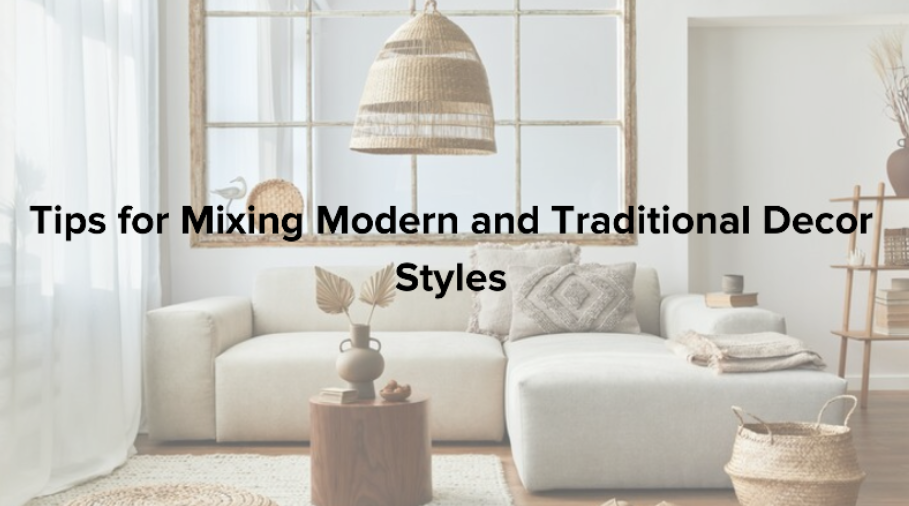
Do you love the sleek lines and contemporary flair of modern design but also appreciate the warmth and character of traditional styles? Blending modern and traditional decor styles creates a unique and visually appealing interior space that reflects your personal taste and lifestyle.
However, achieving the perfect balance between these two contrasting aesthetics can be challenging without a clear plan. In this guide, we explore practical strategies for seamlessly blending modern and traditional decor styles, creating a harmonious living space that avoids feeling like a rigid showroom.
Whether you are starting from scratch in a new home or revamping an existing room, these insights will guide you in curating a personalized, inviting interior that strikes the ideal balance.
Pairing Low-Profile Sectionals with Ornate Heirloom Seating
Pairing low-profile sectionals with ornate heirloom seating prevents visual heaviness while establishing a balanced dialogue between eras.
When blending modern and traditional design elements through furniture arrangements, it is essential to establish a deliberate contrast between clean silhouettes and intricate carvings. Start by selecting a primary anchor piece, such as a minimalist fabric sofa or a stately wingback armchair featuring detailed woodwork. From there, layer in complementary furniture items that bridge the two styles, like a glass-topped coffee table paired with a classic hand-knotted area rug.
Pay close attention to scale and proportion when placing these contrasting items in your main living areas. For instance, a large, low-slung sectional sofa pairs exceptionally well with a petite, highly detailed antique side table. This thoughtful juxtaposition ensures that neither style overpowers the room, resulting in a balanced and visually engaging layout.
Balancing Crisp Neutral Walls with Deep Velvet Textures
Balancing crisp neutral walls with deep velvet textures uses neutral backdrops to unify contrasting decor choices while layering tactile surfaces for depth.
Choosing the right foundation color palette is vital for creating a seamless fusion of contemporary and classic aesthetics. Neutral base colors like crisp whites, warm beiges, and soft grays provide a versatile backdrop that allows both design styles to shine without competing for attention. These calming tones prevent a mixed-style room from feeling overly chaotic.
Once the base is set, layer in accent colors and diverse textures that speak to each distinct era. On the modern side, incorporate smooth surfaces like polished metal, lacquered wood, and crisp linen upholstery. Counterbalance these streamlined elements with traditional textures such as plush velvet, distressed wood, and thick woolen rugs. This layered approach adds both visual and tactile warmth to the environment.
| Modern Elements | Traditional Elements |
| Clean lines | Ornate details |
| Sleek materials (metal, glass, concrete) | Warm materials (wood, velvet, natural fibers) |
| Minimalist aesthetic | Intricate patterns and carvings |
| Geometric shapes | Curved, organic shapes |
| Bold, saturated colors | Muted, earthy tones |
Juxtaposing Crystal Chandeliers with Minimalist Pendant Lights
Juxtaposing crystal chandeliers with minimalist pendant lights offers a subtle yet effective way to transition between contemporary and classic design elements.
Lighting often serves as the jewelry of a room and provides a wonderful opportunity to mix design vocabularies. Consider installing a sleek, contemporary pendant light above a dining area furnished with antique wooden chairs, or hang a classic crystal chandelier in a minimalist, neutral-toned hallway. This deliberate contrast draws the eye upward and adds instant architectural depth.
Similarly, cabinet knobs, drawer pulls, and door hinges act as micro-details that tie disparate design themes together. Matte black or brushed brass modern pulls can transform a traditional wooden dresser, while vintage glass knobs can soften a brand-new contemporary vanity.
Anchoring Contemporary Furniture Against Exposed Historic Brick
Anchoring contemporary furniture against exposed historic brick allows you to honor a home’s original character while introducing fresh, modern functional updates.
If your space features existing architectural details like exposed brick walls, crown molding, or rustic ceiling beams, embrace them as prominent focal points. Pair these historic features with clean-lined built-in shelving or contemporary furniture to create a striking dialogue between past and present. For those working with a blank modern slate, architectural salvage items like reclaimed wood mantels or vintage interior doors can quickly inject historic charm.
Scouring antique markets and local thrift shops for one-of-a-kind statement pieces prevents your interior from looking mass-produced. When you combine these character-rich treasures with everyday functional comforts, your living space evolves into something truly personal and enduring. As you refine your home layout and entertain guests indoors or outdoors, you can also explore practical advice for hosting outdoor events to maintain design continuity across your entire property.
Conclusion
Mixing modern and traditional decor styles is an art form that relies on balance, patience, and a willingness to experiment with contrasting elements. By anchoring your design with neutral colors, varying your textures, and thoughtfully combining statement pieces from different eras, you can build a home that feels both timeless and deeply personal. Trust your instincts and let your unique lifestyle guide the final look.
Frequently Asked Questions
Can I mix modern and traditional patterns in the same room?
Yes, you can successfully mix patterns by pairing a bold modern geometric print with a classic floral or damask motif, provided you use them sparingly.
What should I do if I prefer one design style over the other?
You can still incorporate touches of both styles by allowing your favorite aesthetic to take the lead while the secondary style plays a supportive background role.
Is it acceptable to combine different wood tones within one space?
Combining different wood tones adds rich depth and organic interest, as long as you tie them together with a consistent color scheme and balanced accessory placement.
How do I prevent a mixed-style room from looking messy?
Keeping a restrained, neutral base color palette across your walls and large furnishings ensures that contrasting decorative items feel intentional rather than cluttered.
Where is the best place to source affordable vintage items?
Local flea markets, estate sales, antique co-ops, and online second-hand marketplaces are excellent resources for finding unique traditional statement pieces.
Can modern minimalist furniture work in a historic traditional home?
Minimalist furniture actually highlights historic architectural details like moldings and high ceilings by providing a clean, uncluttered visual contrast.
Disclaimer: Interior design principles are flexible guides rather than rigid rules. Specific product availability, design trends, and material costs may vary over time, so always evaluate your individual space and preferences before making major decorating purchases.


