

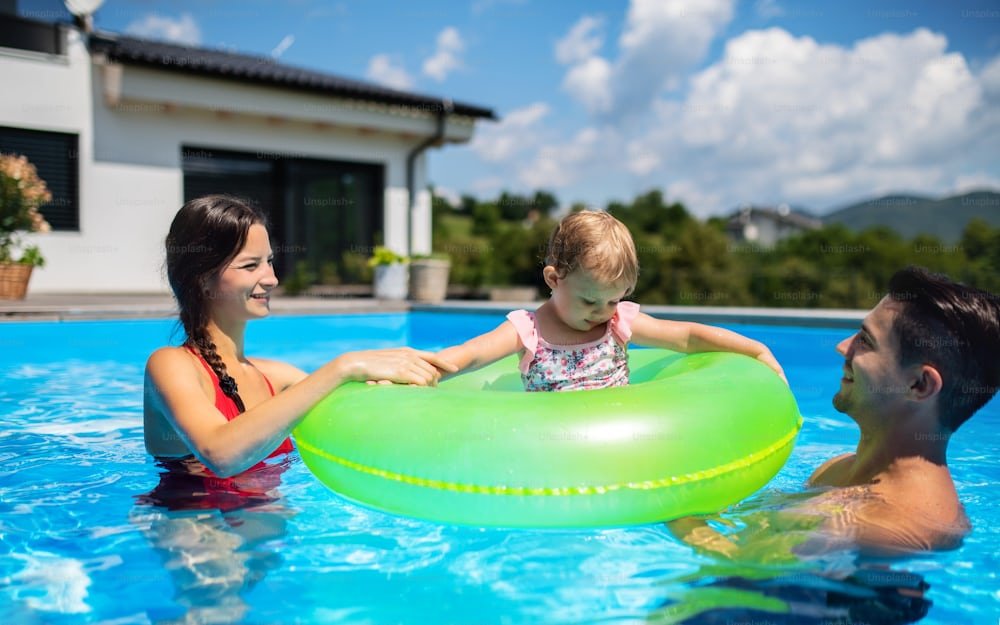
In response to rising utility costs and growing environmental regulations, modern homeowners are reshaping backyard pool projects around long-term sustainability. Fiberglass pools and compact plunge installations have emerged as preferred choices for balancing luxury with strict resource conservation. This guide breaks down the precise material advantages, equipment pairings, and lifecycle realities that define eco-friendly fiberglass pools in 2026.
Prefabricated Shell Construction and Manufacturing Footprint
Fiberglass pool shells are manufactured off-site in strictly controlled factory environments, which drastically reduces raw material waste and on-site disruption compared to traditional concrete methods.
Traditional concrete or gunite construction requires heavy machinery running continuously on-site, extensive earthmoving, and truckloads of raw aggregates mixed directly in the backyard. This process generates substantial debris and consumes large amounts of water during curing. In contrast, a fiberglass shell arrives at the property ready to drop into an excavated pit, cutting down construction time from months to weeks while eliminating tons of localized building scrap.
Examining the lifecycle impact reveals another advantage. Because a high-quality gel coat resists structural cracking, fading, and chemical degradation, the shell does not require harsh acid washing or full resurfacing every few years. Avoiding repetitive heavy maintenance cycles prevents the ongoing consumption of aggregate resurfacing materials over decades of ownership.
Thermal Retention and Variable-Speed Equipment Pairings
Fiberglass pool walls feature natural insulation properties that actively maintain water temperature, significantly reducing daily heater runtime.
Keeping a backyard pool comfortable through cooler months demands considerable energy, often driving up household utility bills. The composite layers of a fiberglass shell act as a thermal barrier, preventing heat from dissipating rapidly into the surrounding soil. Homeowners notice that water stays warmer longer, requiring less frequent heating cycles.
To achieve the lowest possible carbon footprint, modern setups pair these insulated shells with variable-speed circulation pumps and automated solar heating controls. Variable-speed pumps draw a fraction of the electricity demanded by older single-speed motors, running quietly at low flow rates for extended filtration hours. For those integrating smart energy management throughout their properties, aligning these upgrades with broader sustainable hospitality travel principles helps reinforce eco-conscious habits across daily life and leisure.
Non-Porous Gel Coats and Water Conservation
The ultra-smooth, non-porous surface of fiberglass prevents algae attachment, directly lowering chemical demand and stopping silent water seepage.
Maintaining concrete pools often involves heavy weekly doses of algaecides and pH balancers because porous plaster readily harbors organic growth and absorbs minerals. Fiberglass completely seals out water and microorganisms, requiring fewer chemical adjustments and minimizing skin and eye irritants for swimmers. Water chemistry remains stable, and shock treatments become an occasional necessity rather than a weekly chore.
This non-porous integrity also preserves water volume. Concrete pools can develop microscopic fissures that permit gallons of water to seep into the ground unnoticed. Fiberglass shells remain completely impervious, eliminating structural leaks. Additionally, the smooth walls reduce water turbulence and evaporation while requiring fewer water-wasting filter backwash cycles throughout the swimming season.
| Pool Material | Wall Porosity & Seepage Risk | Average Chemical Need | Resurfacing or Liner Timeline |
|---|---|---|---|
| Fiberglass | Impervious non-porous gel coat | Low | No structural resurfacing needed for decades |
| Concrete / Gunite | High porosity, prone to micro-cracks | High | Major replastering every 5 to 10 years |
| Vinyl Liner | Moderate, vulnerable to tears and seams | Moderate | Complete liner replacement every 7 to 12 years |
Vetting Contractors for Sustainable Backyard Projects
Choosing an environmentally conscious pool builder ensures that plumbing layouts, drainage systems, and equipment packages are optimized for efficiency from day one.
An experienced installer looks beyond the basic excavation to evaluate local municipal codes regarding backwash disposal and storm-water management. When interviewing contractors, ask about their specific equipment catalog. A reputable builder should readily supply variable-speed pumps, cartridge filtration units that conserve rinse water, and automated LED lighting systems designed for minimal power draws.
Professional builders also advise on surrounding landscaping choices, recommending drought-tolerant native plants that reduce irrigation demands near the pool deck. Taking time to verify these construction standards protects both local watersheds and your long-term operating budget.
Frequently Asked Questions About Eco-Friendly Fiberglass Pools
Are fiberglass pools truly sustainable despite using synthetic resins?
While manufacturing the shell requires petroleum-based resins and factory energy upfront, their exceptional durability, minimal chemical requirements, and lack of periodic resurfacing make them far more sustainable over a multi-decade lifespan than pools requiring heavy maintenance.
How do fiberglass pools lower monthly energy expenses?
The composite layers provide built-in thermal insulation that retains heat overnight, reducing the workload on gas or electric pool heaters.
Do fiberglass pools require fewer chemical treatments than concrete?
Yes, because the smooth gel coat resists algae colonization and prevents mineral absorption, water chemistry stays balanced with significantly fewer sanitizing agents.
Can old fiberglass pool shells be recycled when decommissioned?
Old fiberglass shells can be crushed and repurposed into secondary industrial aggregates or road construction materials, supporting circular economic models.
Do fiberglass pools prevent water loss compared to traditional masonry?
The solid, seamless construction stops water from seeping through pool walls into surrounding soil, conserving thousands of gallons over years of operation.
What equipment should I request for maximum pool efficiency?
Homeowners should ask for a certified variable-speed pump, a water-saving cartridge filter, automated solar covers, and energy-efficient LED fixtures.
Disclaimer: Pool manufacturing standards, utility regulations, and installation methods vary by geographic region. Homeowners should verify final equipment specifications, municipal water codes, and structural warranties directly with licensed local contractors before starting any project.


