

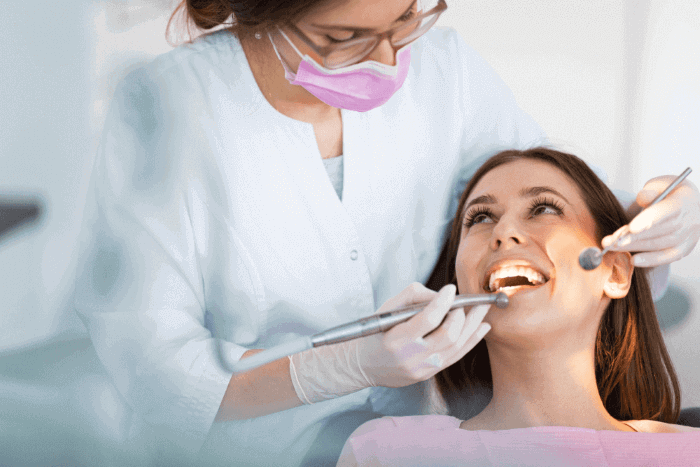
When building a personal wellness routine, most people focus heavily on general fitness plans, balanced nutrition, and annual physical check-ups with a primary care doctor. Meanwhile, dental appointments often get pushed aside until a sharp toothache or broken filling forces a visit to the clinic. However, your dental professional does far more than just clean teeth or fix cavities. Paying close attention to your dentist can protect your long-term physical health, prevent expensive medical complications, and preserve the natural structure of your smile for decades.
Stopping Minor Enamel Decay Before It Becomes Structural Damage
Routine dental visits focus primarily on stopping minor enamel wear and early decay before they escalate into painful, complex procedures.
Dentists are uniquely trained to spot microscopic signs of structural damage, gum inflammation, and hidden decay that you cannot see in a bathroom mirror. By listening to your dental practitioner and following their personalized cleaning and hygiene recommendations, you stop minor structural problems from turning into major health hurdles. For example, early-stage gum disease, known clinically as gingivitis, can often be completely reversed through diligent home hygiene and professional cleanings. If ignored, however, that same inflammation advances into periodontitis, which can destroy the underlying jawbone and lead to permanent tooth loss.
Decoding the Physiological Bridge Between Oral Microbes and Systemic Health
Your oral cavity serves as a direct mirror and gateway to the rest of your body, meaning chronic mouth infections can trigger systemic health challenges.
Clinical researchers have linked poor oral hygiene and untreated gum disease to broader health complications such as cardiovascular disease, poorly managed diabetes mellitus, and respiratory infections. Harmful bacteria originating in infected gum tissue can enter the bloodstream, traveling to distant organs and causing chronic systemic inflammation. Remaining mindful of your dental appointments and practicing disciplined daily hygiene helps minimize these serious physiological risks. If you want to know more about what happens during a clinical evaluation, understanding what a general dentist looks for during your dental exam can help you feel far more prepared for your next check-up.
Navigating Soft-Tissue Screenings for Malignant Lesions
Regular dental exams include critical visual inspections for oral cancer, a severe condition where early professional discovery is life-saving.
During a standard check-up, your dentist carefully scans the soft tissues of your mouth, tongue, throat, and floor of the jaw for unusual lesions, persistent sores, or abnormal tissue discolorations. Because these symptoms can easily go unnoticed at home, professional screenings provide a vital safety net for catching malignant changes in their earliest, most treatable stages. Your dentist can also provide practical lifestyle guidance, such as support for quitting smoking or reducing alcohol intake, which significantly lowers your long-term risk profile.
Preserving Natural Tooth Architecture and Functional Bite Alignment
A well-maintained smile influences your daily confidence, social interactions, and overall psychological well-being.
Dental professionals help patients maintain their natural tooth structure or restore missing teeth using modern restorative treatments. Routine polishing sessions, targeted stain removal, and orthodontic solutions like clear aligners or traditional braces help keep your bite properly aligned and visually appealing. Furthermore, keeping up with professional care prevents chronic bad breath, bite misalignments, and progressive enamel erosion that can detract from your everyday comfort and confidence.
Avoiding Costly Interventions Through Proactive Maintenance
Neglecting professional dental check-ups almost always leads to stressful, time-consuming, and expensive treatments down the line.
Routine preventive exams catch small enamel fractures and tiny cavities while they are still inexpensive and painless to fix. Delaying care until an emergency occurs often leads to costly procedures like root canal therapy, surgical tooth extractions, or custom crowns. Most dental insurance policies heavily subsidize preventive check-ups, making regular appointments a smart financial choice compared to the high cost of treating advanced dental disease.
Leveraging Clinical Guidance for Specialized Home Hygiene Tools
Your dental provider acts as an educational guide who helps you navigate modern dental hygiene tools and personalized care techniques.
Dental clinicians stay updated on the latest evidence-based care techniques and can recommend specific toothbrushes, specialized flossing aids, or therapeutic mouthwashes tailored to your mouth. Building a trusting, open relationship with your dental provider ensures you feel comfortable discussing dental anxiety, financial limits, or cosmetic goals. This collaborative communication makes it much easier to maintain consistent, high-quality oral care habits between office visits.
Mitigating Unconscious Bruxism and Enamel Abrasion
Subconscious behavioral habits like teeth grinding, chewing ice, or nail-biting can inflict severe, irreversible damage on your enamel.
Your dentist can easily identify the characteristic wear patterns caused by bruxism or aggressive chewing long before you notice structural failure. To counteract these tendencies, they may prescribe a custom-fitted nightguard to cushion your teeth while you sleep or suggest behavioral strategies to protect your jaw joints. Addressing these habits proactively prevents cracked teeth, receding gums, and chronic facial pain.
Frequently Asked Questions
Why is paying attention to your dentist important for overall health?
Your oral health directly affects your systemic wellness because bacteria from severe gum infections can enter the bloodstream and contribute to heart disease and diabetes complications.
How often should I visit my dentist for a check-up?
Most dental professionals recommend scheduling an examination and professional cleaning every six months, though patients with higher risk factors may need more frequent visits.
Can routine dental visits really save me money?
Yes, preventive visits catch minor issues like early decay or gingivitis before they require expensive procedures like root canals, crowns, or surgical extractions.
What happens during an oral cancer screening at the dentist?
Your dentist will visually and physically inspect your soft tissues, tongue, throat, and jaw areas for any unusual lesions, discoloration, or persistent lumps.
How can I protect my teeth from grinding at night?
If you suffer from bruxism, your dentist can diagnose the wear patterns and provide a custom-fitted mouthguard to protect your enamel and jaw joints while you sleep.
What are the early signs of gum disease?
Early gum disease, known as gingivitis, often presents as red, swollen, or bleeding gums during routine brushing and flossing, and it is usually reversible with proper care.
Disclaimer: This article is for informational purposes only and does not substitute for professional medical or dental advice. Always consult with a qualified dental professional for diagnosis, treatment plans, and personalized care recommendations. Details and healthcare guidelines may evolve over time.

Daniel J. Morgan is the founder of Invidiata Magazine, a premier publication showcasing luxury living, arts, and culture. With a passion for excellence, Daniel has established the magazine as a beacon of sophistication and refinement, captivating discerning audiences worldwide.


