

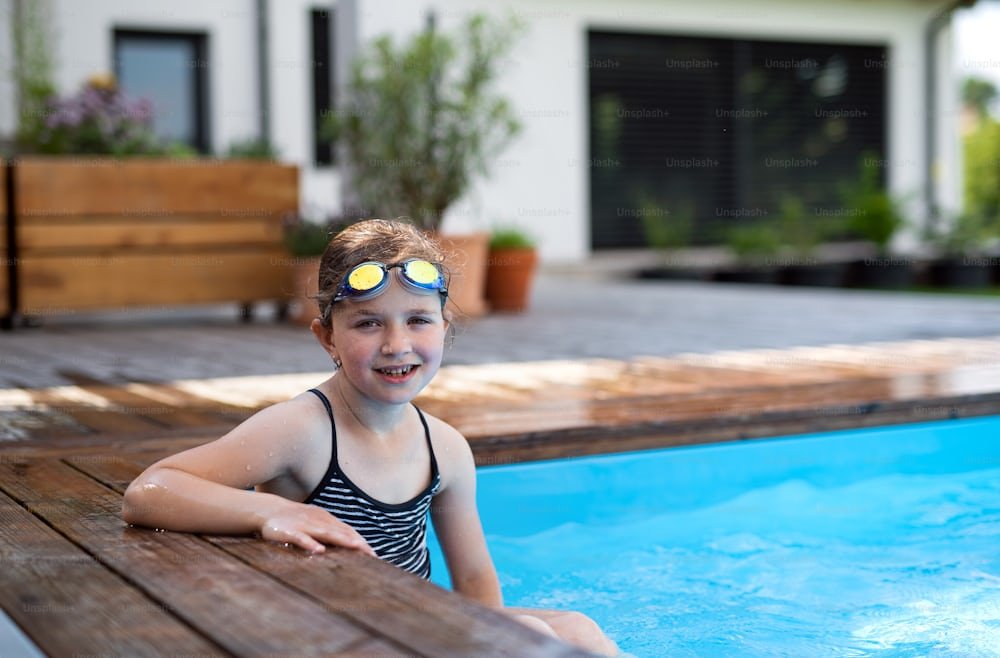
Australia’s diverse climate and outdoor lifestyle make it the perfect setting for enjoying the benefits of small plunge pools year-round. Whether you reside in the tropical north, the temperate south, or somewhere in between, a compact water feature provides an excellent balance of relaxation, hydrotherapy, and aesthetic appeal without requiring a massive backyard or extensive maintenance routines.
Compact Footprints and Urban Spatial Versatility
Small plunge pools are explicitly defined by their compact size, typically measuring between 2 to 5 meters in length and engineered primarily for cooling off rather than swimming intense laps. Their small footprint makes them remarkably versatile for various modern properties, fitting comfortably into tight urban courtyards, narrow suburban backyards, and even reinforced apartment rooftops. Property owners across Australia can enjoy the luxury of home water ownership without sacrificing their entire outdoor living space or overwhelming limited property perimeters.
Regional Climate Adaptability Across Australian Zones
Small plunge pools adapt easily to the wide range of weather conditions found across the Australian continent. In the tropical north, where ambient temperatures remain high throughout the year, these pools offer a refreshing retreat from intense heat and high humidity. In the cooler southern regions of Australia, homeowners frequently pair their plunge pools with energy-efficient inverter heat pumps and thermal blankets. This combination extends the swimming season well into autumn and winter, turning an outdoor area into a comfortable retreat regardless of the month.
Hydrotherapy, Wellness, and Daily Relaxation
Small plunge pools offer significant physical and mental health benefits that enhance day-to-day wellness for every household member. Immersing the body in water helps relieve joint pressure, eases muscle tension, and promotes stress relief after a long workday. Because these compact pools encourage regular hydrotherapy and relaxation right at home, they fit seamlessly into an active, health-conscious Australian lifestyle that prioritizes mental clarity and physical rejuvenation.
Water Chemistry and Automated Maintenance Systems
Small plunge pools require careful attention to water balance because their smaller volume reacts quickly to bather loads and weather shifts. Modern Australian installations often rely on automated salt-water chlorination systems, automated chemical dosing, and energy-efficient variable-speed pumps to keep maintenance straightforward. These technological advancements ensure that water quality remains high without demanding constant manual testing or wasting excessive water resources during seasonal dry spells.
Council Guidelines and Fencing Regulations
Installing a small plunge pool in Australia requires strict adherence to local council guidelines and safety legislation. Property owners must comply with mandatory barrier laws, such as the AS1926.1 pool fencing standards, to prevent accidental access by young children and pets. Consulting with certified local builders ensures that the excavation, structural engineering, and boundary setbacks fully satisfy municipal requirements before construction begins.
Property Aesthetics and Modern Landscaping Integration
Small plunge pools significantly enhance property appeal by transforming ordinary backyards into resort-style entertainment zones. When framed with natural stone coping, timber decking, and minimalist tropical landscaping, a compact pool serves as a striking visual focal point. In competitive Australian real estate markets, a well-integrated water feature often attracts buyers who value luxury, modern design, and low-maintenance outdoor living.
For more ideas on managing your outdoor space effectively during seasonal transitions, explore our detailed guide on how to maintain your lawn and garden year-round.
Conclusion
Small plunge pools deliver an exceptional combination of climate adaptability, health benefits, and spatial efficiency for Australian homeowners. By choosing the right heating equipment, maintaining proper water chemistry, and adhering to local council safety standards, anyone can enjoy a private backyard oasis throughout every season of the year.
Frequently Asked Questions
How much space do small plunge pools require?
Most small plunge pools range from 2 to 5 meters in length, making them suitable for compact urban courtyards and narrow side yards.
Can small plunge pools be used during winter in southern Australia?
Yes, by installing energy-efficient inverter heat pumps and insulated pool covers, homeowners can easily heat their plunge pools for comfortable winter use.
Do small plunge pools require less maintenance than large swimming pools?
While they hold less water, their smaller volume means chemical levels can fluctuate faster, so automated dosing systems are often recommended to simplify upkeep.
Are safety fences required for small plunge pools in Australia?
Yes, all residential pools in Australia must comply with strict state and local council barrier laws, such as the AS1926.1 fencing standard.
Do small plunge pools increase home resale value?
In many Australian property markets, a stylish and professionally landscaped plunge pool enhances overall aesthetic appeal and attracts lifestyle-focused buyers.
How long does it take to install a pre-moulded shell?
Installation times vary depending on site access and council approvals, but pre-moulded fiberglass shells can often be placed and plumbed within a few weeks.
Disclaimer: Pool regulations, council requirements, and equipment specifications can change over time. Homeowners should verify all local legal obligations and technical details with certified professionals or municipal authorities before proceeding with installation.


