

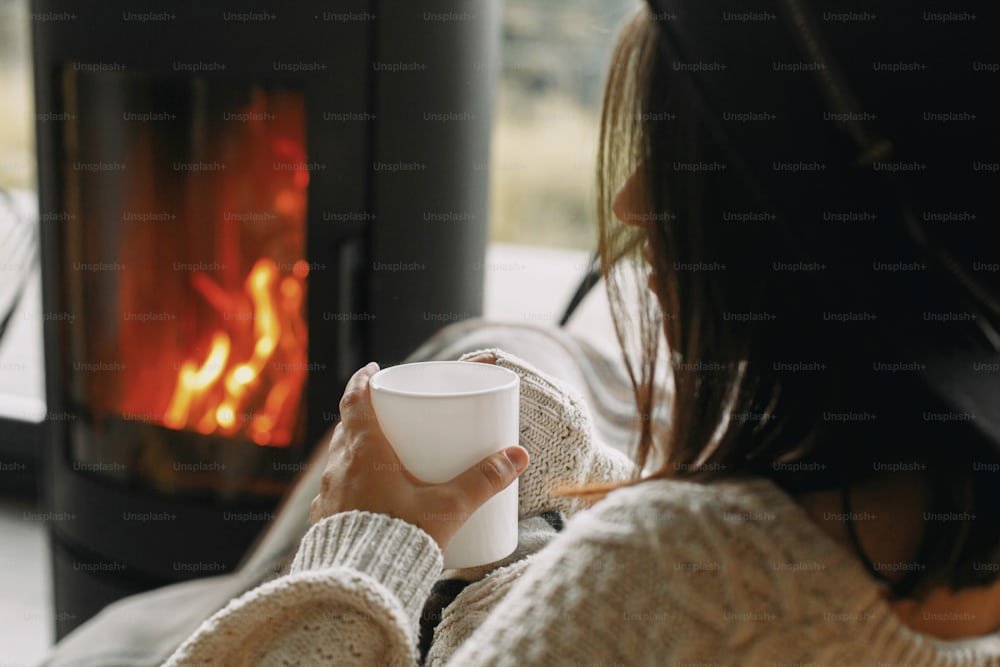
As autumn transitions into freezing winter weather, taking proactive steps to winterize your home is essential for maintaining comfort and protecting your property from severe cold damage. Beyond keeping indoor spaces comfortably warm, proper seasonal preparation reduces heavy heating loads and lowers monthly utility expenses across the board. Addressing vulnerable structural gaps, plumbing lines, and heating equipment before the first hard freeze arrives helps avoid emergency repair bills when temperatures plummet. By integrating modern energy upgrades and standard seasonal maintenance, property owners can create a secure, energy-efficient haven that easily withstands the harshest winter months.
Sealing Air Leaks and Maximizing Insulation Efficiency
Proper thermal insulation and airtight sealing around your living spaces serve as the primary defense against biting outdoor drafts and heat loss. Homeowners should inspect unfinished basements, crawl spaces, and attic floors to verify that thermal protection layers meet current efficiency standards. Adding blown-in cellulose or fiberglass batts to the attic stops warm indoor air from escaping upward, which prevents the formation of destructive ice dams along roof eaves. Furthermore, sealing minute cracks around window frames and exterior doors using durable exterior caulking or heavy-duty weatherstripping blocks convective heat loss. Under current federal energy legislation, homeowners investing in comprehensive insulation upgrades may also qualify for valuable tax credits that offset initial material and installation costs.
Leveraging Smart Thermostats and Modern HVAC Controls
Transitioning from traditional manual dials to advanced smart thermostats gives households precise, automated control over daily heating cycles and energy consumption. Modern smart thermostats utilize geofencing and learning algorithms to detect when residents leave for work or fall asleep, automatically dialing back indoor temperatures to save fuel. When paired with modern high-efficiency heat pumps or upgraded furnaces, these automated climate controllers ensure balanced warmth without wasting energy on empty rooms. Property owners upgrading their heating equipment can also research regional utility rebates that encourage the adoption of energy-saving smart home climate technology.
Safeguarding Plumbing and Installing Smart Leak Detection Valves
Protecting exposed water supply lines against freezing temperatures prevents catastrophic pipe bursts and expensive water damage throughout the winter season. Homeowners must wrap vulnerable pipes located in unheated crawl spaces and exterior walls with thick foam insulation sleeves before sub-freezing weather strikes. During extreme cold snaps, letting indoor faucets drip slightly keeps pressurized water moving continuously, drastically lowering the probability of ice blockages. To provide an extra layer of security, many modern households now install automated smart leak detection valves that instantly shut off the main water supply if an abnormal pressure drop or frozen pipe rupture is detected.
Scheduling Professional Heating Tune-Ups and Chimney Safety Inspections
Routine professional maintenance of your furnace, boiler, and fireplace guarantees safe operation and peak mechanical efficiency throughout the heating season. Certified HVAC technicians can identify worn components, clean burner assemblies, and test safety controls before heavy winter usage begins. Additionally, homeowners who rely on wood-burning fireplaces should hire a professional chimney sweep to clear out flammable creosote buildup and inspect flue dampers for obstructions. A well-maintained chimney prevents dangerous carbon monoxide accumulation indoors, ensuring your family can enjoy hearthside warmth safely and comfortably.
Executing Simple DIY Adjustments to Enhance Indoor Warmth
Simple manual adjustments around the house can noticeably improve interior comfort and heat distribution without altering your primary thermostat settings. Reversing the direction of your ceiling fans to a clockwise rotation at low speed gently forces rising warm air back down toward the living area instead of trapping it near the ceiling. Installing thick thermal curtains on sun-facing windows helps block radiant glass chill during long winter nights while capturing passive solar heat during daylight hours. Additionally, placing heavy area rugs over cold hardwood floors and layering plush textiles on furniture enhances physical warmth in heavily lived-in rooms.
Preparing Essential Emergency Supplies and Safety Monitors
Severe winter storms frequently bring hazardous travel conditions, blinding snowfall, and unexpected electrical outages that demand careful emergency preparation. Testing smoke detectors and carbon monoxide alarms monthly guarantees early warning protection when heating systems and auxiliary space heaters operate continuously. Households should also stock up on rock salt for icy walkways, battery-powered lanterns, extra batteries, bottled water, and non-perishable food supplies to remain self-sufficient during prolonged utility blackouts. Ensuring your snow blower and shovels are in working order ahead of time allows you to clear walkways safely without physical strain when heavy snow accumulates.
To learn more about optimizing your living space for long-term comfort and property resilience, you can explore our guide on building a sustainable foundation for long-term homeownership.
Frequently Asked Questions
When is the best time to begin winterizing my house?
Homeowners should begin seasonal maintenance in early autumn before outdoor temperatures drop below freezing, leaving ample time to complete outdoor chores and contractor inspections.
How can I detect hidden air drafts in my home?
You can check for drafts by slowly moving a lit incense stick along baseboards, window frames, and door thresholds to see if the rising smoke bends sideways from air currents.
Are smart thermostats effective at reducing winter heating bills?
Smart thermostats reduce utility costs by automatically adjusting indoor temperatures based on your daily routine and occupancy, eliminating wasted energy when rooms are vacant.
What is the most reliable way to prevent outdoor faucets from freezing?
Disconnect all garden hoses, shut off the dedicated interior shut-off valve supplying water to exterior spigots, and install insulated protective covers over the faucet fixtures.
How often should furnace filters be replaced during winter?
Furnace filters should be inspected monthly during heavy winter operation and replaced immediately whenever dust accumulation restricts proper airflow.
Can I perform my own chimney sweeping before winter?
While visual checks are fine, chimney cleaning requires specialized tools and expertise best left to certified professionals who can safely remove dangerous creosote buildup.
What critical emergency supplies should be kept ready for winter storms?
Keep a dependable snow shovel, pet-safe ice melt, flashlights, extra batteries, bottled water, and non-perishable food items stored safely for unexpected winter power outages.
Disclaimer: Winter weather conditions and local energy codes vary significantly by region. Readers should verify municipal requirements, tax credit eligibility guidelines, and manufacturer instructions before undertaking major home improvement projects.


