

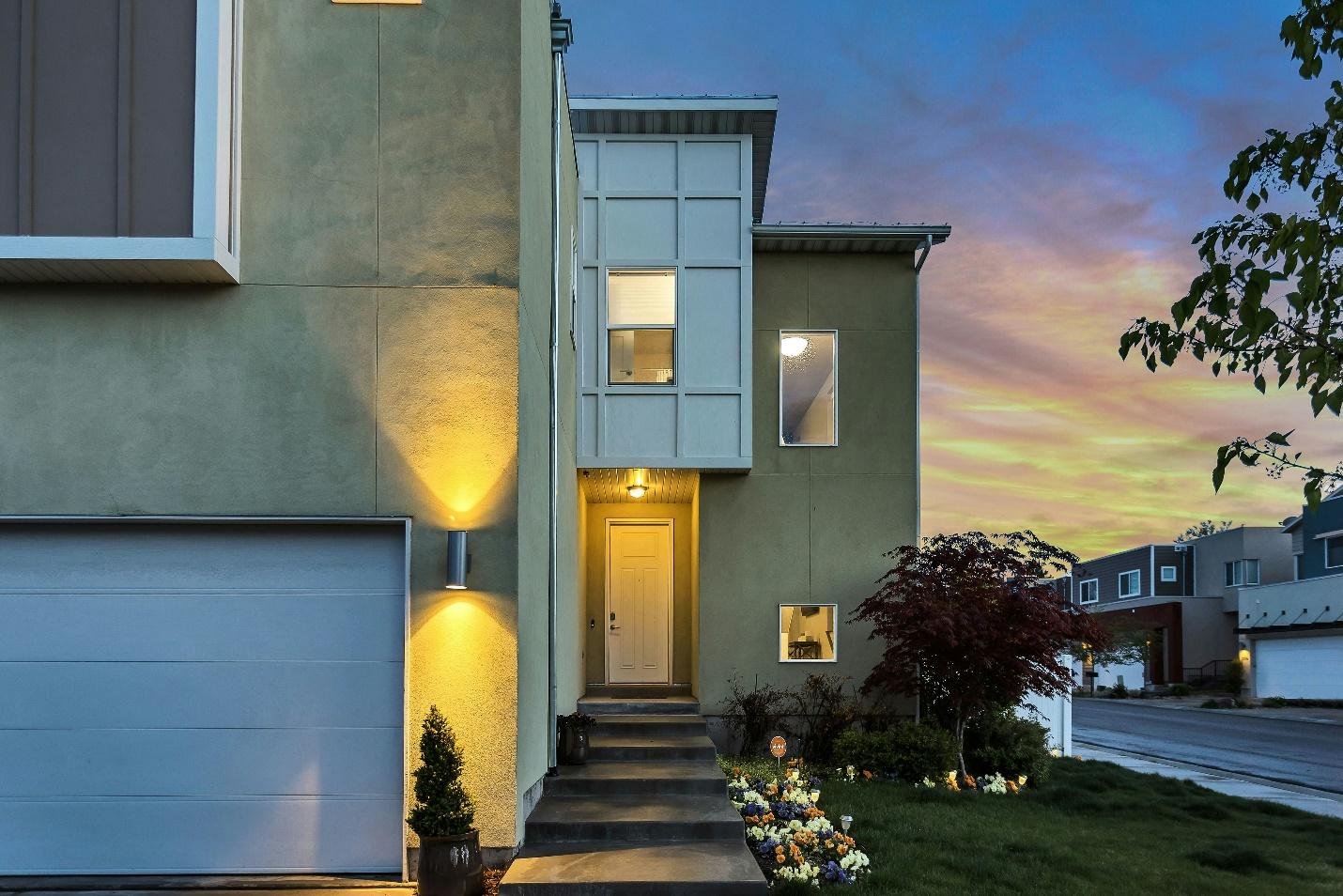
Designing your dream house is a thrilling and often once-in-a-lifetime experience, especially when building against the scenic backdrop of East Tennessee. It represents a unique chance to create a living space tailored precisely to your family’s daily routines, lifestyle habits, and aesthetic preferences. This process involves much more than simply picking out trendy floor plans and paint colors; it requires meticulous planning to ensure that every structural and functional aspect aligns with your long-term vision.
Mapping Out Your Family’s Everyday Living Patterns and Future Flexibility
Mapping out your family’s everyday living patterns and future flexibility is the foundational step in shaping a custom home that serves you well for decades. This exercise goes far beyond counting the required number of bedrooms and bathrooms. You must consider how you actually move through your day and which spaces you use most frequently. For instance, if you love cooking and hosting large gatherings, an open-concept kitchen with a large island and seamless dining connection might be essential. Families with young children often need a dedicated playroom close to the main living area, while those who frequently host out-of-town guests should prioritize a private ground-floor guest suite.
Looking ahead to the future is equally vital because household needs inevitably evolve over time. Plan your architectural layout with adaptable multi-purpose rooms in mind. Perhaps an extra bedroom can start as a nursery and later convert into a quiet home office or creative studio. Evaluating the physical flow of the house prevents traffic bottlenecks during busy mornings. By thoroughly understanding your current routines and future trajectory, you can create a home that adapts smoothly to every stage of life.
Evaluating Property Topography and Regional Soil Realities
Evaluating property topography and regional soil realities before finalizing any blueprints ensures your architectural layout actually fits your chosen plot of land. The physical characteristics of a building site dictate structural engineering choices, foundation types, and overall site prep expenses. In regions like East Tennessee, sloping terrain and variable soil composition require careful grading and specialized foundation planning. Conducting thorough soil testing, slope assessments, and utility access checks during the pre-construction phase prevents costly surprises once heavy machinery arrives on site.
Blending Regional Architecture With Local Natural Landscapes
Blending regional architecture with local natural landscapes allows your custom home to harmonize with its surrounding environment. Homeowners building in East Tennessee enjoy a rich variety of architectural house designs, including traditional log cabins that reflect the area’s rustic heritage. Classic Colonial-style homes with symmetrical facades are also popular, alongside modern farmhouse designs that merge clean contemporary lines with timeless rural warmth. Selecting an exterior style that complements local geography creates a cohesive and visually striking property.
Integrating Dedicated Remote Workspaces and Smart Automation Systems
Integrating dedicated remote workspaces and smart automation systems ensures your new house meets the demands of contemporary life. The shift toward remote work makes a quiet, soundproof home office an essential structural requirement rather than an afterthought. Furthermore, embedding smart home infrastructure—such as automated climate control, integrated lighting zones, and robust security networks—enhances daily convenience and energy oversight. Planning these technological integrations during the initial framing and electrical wiring phase is far more efficient than attempting retrofits later.
Structuring Your Financial Plan and Contingency Funds Wisely
Structuring your financial plan and contingency funds wisely protects your overall budget throughout the entire construction cycle. It is very easy to get carried away with high-end finishes, luxury fixtures, and expansive square footage, but establishing a strict budget early is crucial. Determine what you can comfortably afford and allocate specific funds across land acquisition, site preparation, construction labor, landscaping, and interior finishes. Always set aside a financial contingency fund of ten to fifteen percent to absorb unexpected material price fluctuations or unforeseen excavation challenges.
Optimizing Thermal Performance and Sustainable Building Materials
Optimizing thermal performance and sustainable building materials significantly reduces long-term utility expenses while maximizing indoor comfort. Incorporating eco-friendly construction techniques minimizes your household’s environmental footprint without sacrificing luxury. High-performance windows, efficient heat pumps, and high-density wall insulation keep interior temperatures stable through changing seasonal weather patterns. Additionally, orienting your floor plan to capture passive solar heating and encourage natural ventilation reduces your reliance on artificial lighting and air conditioning.
Vetting and Partnering With Experienced Local Construction Experts
Vetting and partnering with experienced local construction experts is the single most important decision you will make to turn your architectural blueprints into reality. A reputable builder brings invaluable regional expertise, local building code knowledge, and established relationships with reliable subcontractors. When planning a project in East Tennessee, working with established professionals like Horner Building Co. helps ensure adherence to strict craftsmanship standards and local regulations. Interviewing multiple builders and reviewing past portfolios guarantees you find a partner who communicates clearly and respects your timeline.
Common Questions About Planning and Building a Custom Home
How long does it typically take to design and build a custom home?
The entire timeline usually spans anywhere from twelve to eighteen months, including several months of architectural design and permitting followed by the physical construction period.
Should I hire an independent architect or work with a design-build firm?
Both paths have merits; hiring an independent architect gives you a completely bespoke design, while a design-build firm streamlines the process by keeping architectural and construction teams under one roof.
How do I determine how much square footage I actually need?
Look closely at your current living situation, evaluate which rooms you rarely use, and focus on functional multi-use spaces rather than building unneeded square footage that inflates costs.
What are the most important site factors to check before buying land?
You must verify soil stability, slope topography, water table levels, zoning restrictions, and the availability or cost of connecting to local utility infrastructure.
Can I incorporate green energy features on a moderate budget?
Yes, investing in high-quality insulation and optimal window placement provides immediate energy savings without requiring expensive upfront luxury green technologies.
How can I prepare for unexpected construction costs?
Maintaining a dedicated financial contingency fund of at least ten percent of your total building budget is the best way to absorb unexpected material price shifts or site challenges.
For helpful guidance on managing related property improvement projects once your home is finished, check out our guide on designing a functional and inviting patio for outdoor living.
Disclaimer: Building codes, material costs, and zoning regulations change frequently over time. Readers should always verify final architectural plans, local building requirements, and pricing estimates directly with licensed professionals and official municipal authorities before beginning construction.


[…] Matching your layout style to your overarching property goals shares similarities with residential architecture planning, where interior flow dictates exterior transitions. For broader insights on architectural harmony and spatial organization, homeowners frequently review guidance found in our guide on key considerations for designing your dream house. […]