

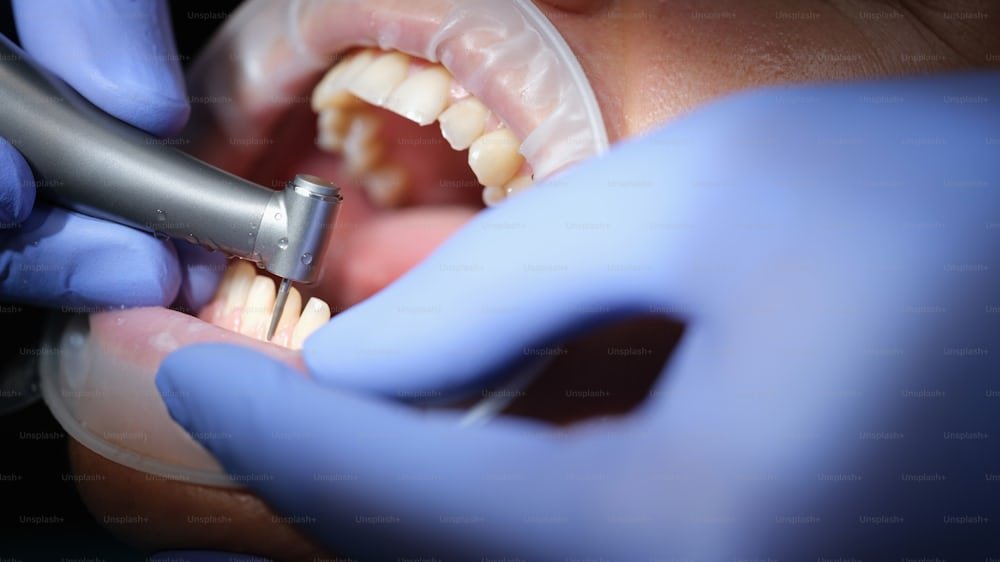
Proper oral health is a foundational part of your overall wellness, influencing everything from how you chew and speak to your general physical vitality. General dentistry serves as your first line of defense against dental decay, gum disease, and various other oral infections that can compromise your well-being. Because daily brushing and flossing at home cannot remove hardened plaque, professional clinical oversight is essential for long-term health.
Oral hygiene and professional clinical care go hand in hand to protect your teeth and gums from unexpected degradation. Understanding how general dentistry operates helps patients take proactive steps toward preserving their natural smile for a lifetime without unnecessary complications.
Understanding the Role of General Dentistry in Daily Life
General dentistry functions as the primary point of contact for individuals seeking diagnosis, treatment, and ongoing management of their everyday oral health needs. General dentists manage a wide array of routine procedures designed to catch minor issues before they escalate into painful, costly dental emergencies. By establishing a consistent relationship with a dental clinic, patients ensure that any subtle changes in their teeth or gums receive prompt professional attention.
Beyond simply fixing cavities, a general dental practice acts as a health hub for personalized patient education. Dentists guide individuals on proper brushing techniques, dietary choices that affect enamel strength, and the importance of systemic hydration. This collaborative approach empowers individuals to take charge of their at-home dental routines while relying on clinical expertise for deeper cleanings and examinations.
Core Preventive Services That Stop Dental Issues Early
Preventive services provided by general dentistry focus on stopping dental problems before they start by utilizing professional cleanings, diagnostic screenings, and detailed examinations. Routine checkups allow dental professionals to monitor shifts in your oral ecosystem that might not be visible in a standard bathroom mirror.
During a standard preventive visit, the clinical team performs several key procedures:
- Professional Teeth Cleaning: Hygienists use specialized instruments to scrape away hardened calculus, or tartar, which regular toothbrushes cannot remove.
- Diagnostic Digital X-Rays: Imaging tools reveal hidden decay between teeth, bone loss in the jaw, and impacted teeth beneath the gumline.
- Oral Cancer Screenings: Dentists physically check the soft tissues of the mouth, tongue, and throat for abnormal lumps, discoloration, or persistent sores.
- Fluoride Treatments and Sealants: Protective coatings and topical mineral applications strengthen tooth enamel against acid attacks and decay-causing bacteria.
Common Restorative Procedures Offered by General Dentists
Restorative procedures in general dentistry repair damaged, decayed, or missing teeth to restore normal bite function and aesthetic appearance. When preventive measures are not enough to stop a cavity or injury, restorative treatments step in to save the affected tooth structure.
The following table outlines the most common restorative treatments performed in general dental practices:
| Procedure | Primary Purpose | Typical Material |
|---|---|---|
| Cavity Fillings | Cleans out decayed tooth structure and seals the cavity. | Composite resin or amalgam |
| Root Canals | Removes infected dental pulp and seals the internal root canals. | Biocompatible gutta-percha sealing material |
| Dental Crowns | Covers and strengthens a severely cracked, weakened, or filled tooth. | Porcelain, ceramic, or metal alloys |
| Dental Implants | Replaces a missing tooth root permanently in the jawbone. | Titanium implant post with porcelain crown |
| Removable Dentures | Replaces multiple missing teeth or an entire dental arch. | Acrylic resin or porcelain |
Each of these clinical interventions plays a specific part in keeping the dental arch complete and functional. A balanced bite prevents uneven wear on surrounding teeth and distributes chewing pressure properly across the jaw.
How Regular Dental Visits Protect Your Long-Term Wellness
Regular dental visits protect your long-term wellness by uncovering early signs of systemic health conditions and preventing chronic gum disease. Oral infections and gum inflammation do not stay confined to the mouth; bacteria from severe periodontal disease can enter the bloodstream and impact heart health or complicate blood sugar management.
Furthermore, general dentists frequently spot early warning signs of nutritional deficiencies, systemic diseases, and habits like nighttime tooth grinding through routine oral evaluations. Managing stress, protecting your overall health, and maintaining stable personal habits require consistent professional oversight to catch potential complications before they require expensive intervention.
What to Look For When Choosing a General Dentist
Choosing a reliable general dentist involves evaluating clinical expertise, office environment, insurance compatibility, and patient comfort. Finding the right dental care provider ensures that you feel relaxed during procedures and confident in your treatment plan.
Patients should consider several practical factors when selecting a practice:
- Location and Accessibility: Look for a clinic close to your home or workplace so you can easily attend routine biannual appointments.
- Insurance and Payment Options: Verify whether the office accepts your dental insurance plan or offers flexible financing for major treatments.
- Technology and Equipment: Modern dental offices featuring digital X-rays and intraoral cameras often provide faster and more accurate diagnostics.
- Patient Comfort Policies: Inquire about sedation options, calming amenities, and how the dental team handles patients with dental anxiety.
For more strategies on securing long-term well-being and managing personal resources for lifelong care, consider reviewing our guide on financial freedom in retirement.
Frequently Asked Questions About General Dentistry
How often should I visit a general dentist for a checkup?
Most dental professionals recommend scheduling a routine examination and professional cleaning every six months. Patients with specific gum conditions or high cavity risks may require more frequent visits.
What is the difference between general dentistry and cosmetic dentistry?
General dentistry focuses primarily on oral hygiene, disease prevention, and restorative health, whereas cosmetic dentistry concentrates on improving the aesthetic appearance of teeth, such as through whitening or veneers.
Do general dentists perform root canal treatments?
Yes, many general dentists perform standard root canal treatments, though complex cases or pediatric root canals may be referred to an endodontist specialist.
Are dental X-rays safe during routine checkups?
Dental X-rays use very low levels of radiation and are considered safe, especially with modern digital imaging equipment and protective lead aprons.
What should I do if I have a severe toothache between appointments?
You should contact your general dentist immediately to describe your symptoms, as acute pain often indicates an infection or deep decay requiring prompt treatment.
Can poor oral health affect the rest of my body?
Untreated gum disease and oral bacteria are linked in clinical studies to systemic health concerns like cardiovascular inflammation and diabetes management challenges.
Disclaimer: The information provided in this article is for educational purposes only and should not replace professional medical or dental advice. Dental health needs vary by individual, and readers should consult a qualified dental professional for personal diagnoses and treatment plans.


