

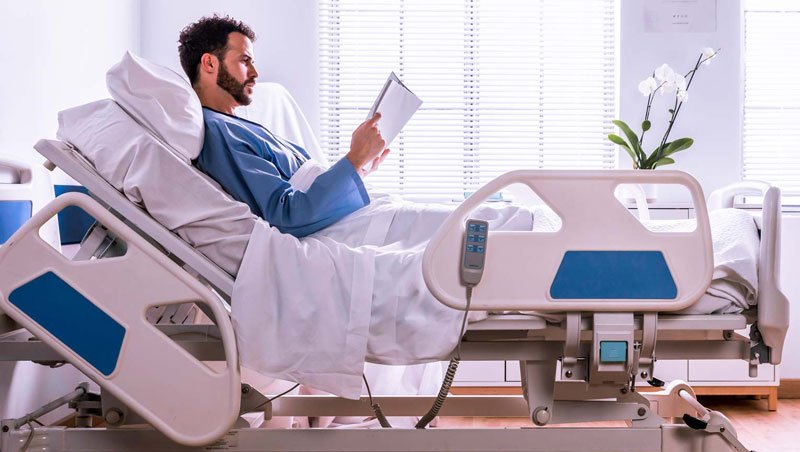
Hospital beds are foundational elements of safe patient care because they directly govern physical comfort, clinical safety, and healing outcomes. The demand for reliable medical bedding solutions has risen sharply across Canadian communities as more families choose home-based recovery over long hospital stays. Whether an individual requires temporary rest following an orthopedic procedure or long-term palliative care, choosing the right support system is crucial for daily wellbeing. Selecting and configuring these specialized beds requires careful consideration of mechanical specifications, room dimensions, patient mobility levels, and long-term care goals.
Understanding Medical Bed Designs for Canadian Healthcare Settings
Selecting appropriate medical furniture requires examining how different mechanical frameworks meet specific patient mobility and clinical needs.
Canadian medical equipment providers generally offer three primary categories of beds: manual models operated by hand cranks, semi-electric models featuring motorized head and foot sections paired with manual height adjustment, and fully electric units controlled entirely through handheld pendants. Manual versions suit short-term recovery where caregivers are readily available to assist with every adjustment. Semi-electric and fully electric options provide greater autonomy for individuals who wish to alter their resting angles independently without placing physical strain on household helpers. Fully electric variants also allow caregivers to adjust the entire sleeping deck effortlessly, reducing repetitive physical exertion during busy care schedules.
Physiological Benefits of Adjustable Positioning and Specialized Surfaces
Proper articulation and advanced mattress selection actively prevent secondary complications and alleviate chronic discomfort during extended periods of rest.
Elevating the upper body assists patients managing respiratory disorders, acid reflux, or circulatory sluggishness. Furthermore, combining these dynamic frames with pressure-redistribution mattresses protects vulnerable skin integrity. High-density therapeutic foam and alternating air systems relieve continuous pressure on sensitive bony areas like the heels, hips, and shoulders, thereby preventing painful tissue breakdown and encouraging healthy blood circulation throughout the body. Specialized low-air-loss surfaces also help manage moisture and temperature, creating an optimal microclimate that protects delicate skin during long immobile hours.
Fostering Patient Independence and Psychological Resilience
Modern medical beds incorporate ergonomic features that empower individuals to maintain a sense of dignity and self-reliance during vulnerable recovery phases.
Sturdy side rails offer stable handholds that allow patients to shift positions or turn comfortably without calling for immediate help. Adjustable deck heights make getting in and out of bed significantly safer, reducing the psychological fear of accidental falls. Restoring even a small degree of physical autonomy lifts spirits and supports mental wellness, which plays a vital role in overall rehabilitation and reduces feelings of helplessness during extended illnesses.
Reducing Ergonomic Strain for Family Caregivers
Adjustable medical beds protect family members and personal support workers from common injuries associated with daily nursing duties.
Bending over standard domestic mattresses while assisting with hygiene, linen changes, or wound care frequently leads to chronic lower back strain. Electronic height control raises the entire sleeping surface to an optimal working level, eliminating awkward bending postures. Secure locking mechanisms, drop-down safety barriers, and intuitive pendant controls further streamline daily tasks, ensuring that home-based care remains safe and sustainable over long stretches of time.
Navigating Equipment Rentals and Home Setup Logistics Across Canada
Arranging medical furniture involves coordinating with provincial health programs, community organizations like the Canadian Red Cross, or private medical supply companies.
Families must plan bedroom logistics carefully by measuring doorways, clearing non-essential furniture, and ensuring a dedicated electrical outlet is nearby for motorized units. Proper spatial planning ensures that home care nurses can move safely around the perimeter to deliver treatments and manage equipment without obstruction. For broader guidance on equipment safety and protocols, reviewing resources such as training and education enhancing healthcare with proper use of supplies can help caregivers manage daily medical routines with confidence.
Frequently Asked Questions
Can I rent a hospital bed instead of buying one in Canada?
Yes, short-term and long-term medical equipment rentals are widely accessible across Canada through provincial programs, private suppliers, and community health organizations.
What distinguishes a semi-electric bed from a fully electric bed?
A semi-electric bed utilizes motors to adjust head and foot sections while requiring a manual crank for height, whereas a fully electric model controls all functions via a handset.
Do provincial health plans cover hospital bed rentals?
Certain provincial assistive devices programs cover a portion of equipment costs when prescribed by a physician, though specific eligibility criteria vary by region.
What mattress type is best for preventing bedsores?
The ideal surface depends on mobility levels, ranging from supportive therapeutic foam to alternating pressure air mattresses that continuously shift weight off vulnerable tissue.
Do equipment providers handle home assembly?
Most reputable Canadian suppliers provide professional delivery, in-home assembly, and safety testing so families do not have to set up heavy mechanical frames themselves.
What room preparations are necessary before delivery?
Ensure clear pathways through doorways, adequate floor space for safe caregiver access, and close proximity to an electrical outlet for powered models.
Disclaimer
The information provided in this article is intended for educational purposes only and should not replace professional medical advice. Equipment availability, rental terms, and provincial healthcare coverages vary significantly. Always consult with qualified healthcare professionals or certified medical equipment specialists to determine the most suitable bed configuration for individual patient requirements.

Passionate content writer and savvy blog publisher, Aamir crafts compelling stories and insightful articles that captivate and inform. With a knack for blending creativity and strategy, they bring fresh perspectives to every piece. Dive into their world of words and discover content that resonates.


