

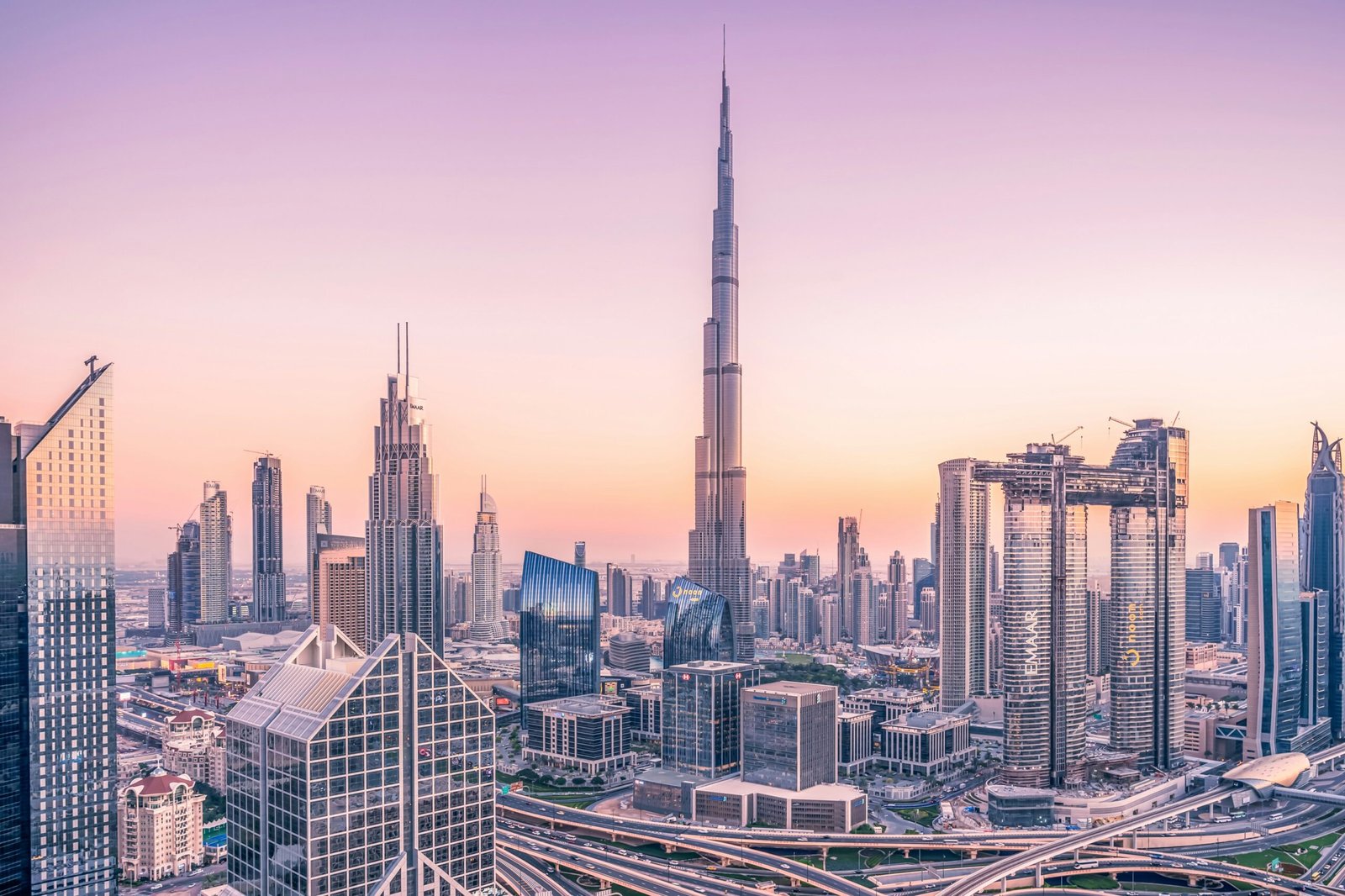
Transforming an apartment in the United Arab Emirates requires far more than picking out new paint colors or modern tiles. Property owners embarking on an apartment renovation in Dubai must navigate a unique landscape shaped by intense summer heat, strict municipal oversight, and master developer guidelines. Whether you want to modernize an older floor plan in Dubai Marina or upgrade a family home in Jumeirah Village Circle, preparation is the key to avoiding costly delays. Property owners exploring major upgrades often review financial strategies, similar to insights found in our guide on smart ways to finance your dream home renovation, before signing any binding agreements with interior design studios.
Establishing a Realistic Financial Buffer and Budget
Careful financial planning serves as the foundation for any successful residential remodeling project in the Emirates.
Renovation costs vary drastically based on whether you are simply updating surface finishes or completely overhauling kitchen layouts and bathrooms. When requesting quotes from local specialists, ensure estimates itemize every expense, from demolition waste removal to specialized electrical wiring. Experienced project managers in the region always recommend setting aside a 10% to 20% contingency fund specifically for hidden structural issues. Older developments across the city frequently reveal unexpected plumbing corrosion or outdated electrical conduits once walls are opened up. Having that financial buffer prevents work from grinding to a sudden halt when surprises emerge during the construction phase.
Securing Developer NOCs and Municipal Clearances
Navigating the complex network of local administrative approvals is a mandatory step before any physical hammers start swinging.
Building alterations in the emirate are heavily regulated to protect structural integrity and maintain community safety standards across high-rise residential towers. Before hiring workers, you must obtain a formal No Objection Certificate (NOC) from your building’s master developer or owners association. Projects involving major layout changes, wall removals, or plumbing shifts also require formal permits issued by the Dubai Municipality or relevant free zone authorities. Ignoring these official channels invites severe financial penalties, immediate work stoppages, and potential legal trouble with community security. Furthermore, building management strictly dictates permitted working hours, noise levels, and elevator usage schedules to protect your neighbors from excessive disruption.
Selecting Materials Suited to the Desert Climate
Choosing climate-appropriate building materials guarantees that your newly remodeled living spaces will withstand extreme seasonal temperatures and humidity.
The regional environment places immense stress on standard construction supplies, causing warping, fading, or premature degradation if thermal tolerances are ignored. Homeowners should prioritize durable flooring solutions like high-grade porcelain tiles or treated natural stone that remain cool underfoot during peak summer months. Windows represent another critical shield against intense solar gain and outdoor heat transfer. Installing high-performance double-glazed glass units keeps indoor environments comfortable while reducing the heavy load on air conditioning compressors. Additionally, applying breathable interior paints helps manage ambient moisture levels, preventing condensation buildup behind walls and protecting your investment over the long term.
To help outline how various structural and aesthetic elements intersect during a local project, review the planning breakdown below:
| Renovation Category | Primary Consideration | Key Benefit |
|---|---|---|
| Legal Approvals | Developer NOC & Municipality Permits | Ensures full compliance and avoids heavy fines |
| Financial Buffer | 10% to 20% Extra Reserve | Covers unforeseen structural repairs safely |
| Thermal Insulation | Double-Glazed Windows | Lowers cooling bills and blocks outdoor heat |
| Surface Flooring | Porcelain Tiles or Treated Stone | Withstands high heat and heavy daily foot traffic |
Vetting Licensed Contractors and Managing Timelines
Partnering with reliable, licensed professionals who understand local regulatory frameworks is essential for keeping your project on track.
Begin your search by requesting portfolios of past residential completions across similar towers in the emirate. Verify that your chosen firm holds valid trade licenses and maintains clear communication channels regarding material procurement and delivery schedules. A trustworthy contractor will assist directly with paperwork submissions to master developers and municipal bodies. Ensure your written agreement explicitly outlines strict milestone dates, payment schedules tied to completed phases, and clear warranties for all workmanship. Remaining actively involved in regular site inspections allows you to catch minor discrepancies before they turn into major structural setbacks.
Frequently Asked Questions About Property Remodeling
Do I need an NOC from my building management before starting interior updates?
Yes, securing a No Objection Certificate from your master developer or owners association is mandatory before any workers or materials enter the building.
How much contingency money should I set aside for unexpected repair work?
It is standard practice to allocate an extra 10% to 20% of your total estimated budget to cover concealed plumbing issues, electrical updates, or fee adjustments.
What are the strict rules regarding construction working hours in residential towers?
Building management typically permits heavy noise and active construction only during daytime hours on weekdays, strictly prohibiting noisy work on weekends and public holidays.
Which flooring materials perform best against extreme summer temperatures?
Porcelain tiles, ceramic surfaces, and high-quality engineered stone remain top recommendations because they resist heat retention and stay comfortable underfoot.
Are municipal permits required for minor cosmetic touch-ups like painting?
Simple surface refreshes generally only require building management notification, whereas structural changes, bathroom overhauls, and electrical rewiring require formal municipal permits.
What is the typical timeframe required to renovate a standard apartment?
Depending on the scale of the interior modifications and the time needed to secure official developer approvals, an average apartment project spans six to twelve weeks.
Summary and Official Verification Advice
Revamping a living space in the Emirates requires careful attention to financial buffers, strict community regulations, and climate-resilient materials. By planning ahead and working closely with licensed professionals, you can complete your project smoothly without facing unexpected legal hurdles. Always verify final guidelines and policy updates directly with official government authorities before launching your construction phase.

Daniel J. Morgan is the founder of Invidiata Magazine, a premier publication showcasing luxury living, arts, and culture. With a passion for excellence, Daniel has established the magazine as a beacon of sophistication and refinement, captivating discerning audiences worldwide.


