

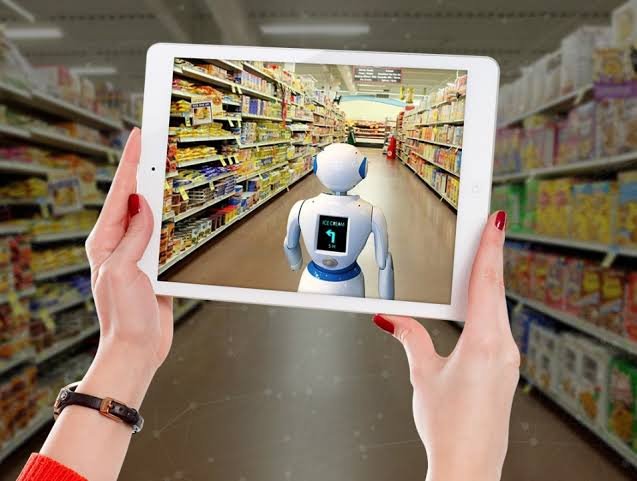
Building a utility application designed to locate fresh food markets requires deep technical integration that goes far beyond plotting standard geographical pins on a digital tile. As consumers demand absolute efficiency when sourcing organic produce and pantry staples, grocery store finder app development has evolved into a sophisticated engineering discipline. Mobile architects now deploy advanced machine learning models capable of merging live supermarket supply chain feeds with municipal traffic patterns. Companies investing in digital retail infrastructure must collaborate with experienced software engineering teams to deliver platforms that solve specific grocery hurdles, such as sudden stock depletion of specialty diet ingredients and frustrating parking lot bottlenecks during peak weekend hours.
Integrating Machine Learning Into Physical Supermarket Discovery
Integrating machine learning into physical supermarket discovery turns static mapping software into responsive retail guides that understand the unique layout of grocery aisles.
Traditional location finders merely supply street addresses and operating hours, leaving shoppers to guess whether a specific market carries their preferred brands. Modern software architecture leverages predictive neural networks to ingest continuous inventory data straight from local warehouse management systems. When developers embed these intelligence layers into mobile applications, users gain instant visibility into perishable goods availability before spending time and fuel driving across town.
Cross-Referencing Dietary Restrictions With Local Shelf Inventories
Cross-referencing dietary restrictions with local shelf inventories allows modern applications to match specialized grocery needs with exact store stockrooms.
Shoppers managing gluten sensitivities, vegan diets, or strict allergen limitations often struggle to find specialty items in standard neighborhood supermarkets. AI-powered finder apps analyze personal preference profiles alongside real-time barcode scans from local store databases to pinpoint precisely which nearby merchant currently stocks specialty items. This granular matching engine minimizes wasted trips and fosters strong user loyalty as shoppers learn to depend on the platform for weekly meal preparation.
Navigating Urban Traffic Congestion and Retail Parking Densities
Navigating urban traffic congestion and retail parking densities requires routing algorithms that evaluate live municipal transit feeds alongside supermarket parking lot telemetry.
Driving to a popular grocery center on a Saturday morning frequently results in frustrating delays and blocked entrance lanes. Smart navigation engines parse historical crowd data, weather forecasts, and current vehicle speeds to suggest alternative travel routes or recommend optimal off-peak shopping hours. By streamlining the physical journey from driveway to shopping cart, these tools save valuable time and reduce the friction of routine weekly errands.
Predicting Perishable Item Availability and Restock Cycles
Predicting perishable item availability and restock cycles bridges the information gap between digital grocery interfaces and physical warehouse loading docks.
Fresh bakery items, organic dairy, and seasonal produce experience rapid turnover that standard static databases fail to track accurately. Machine learning algorithms analyze historical sales velocities and incoming delivery truck schedules to forecast exactly when empty shelves will be replenished. If a favorite brand of artisan bread is currently sold out, the app immediately highlights a comparable alternative or alerts the user the moment the morning restock arrives.
Enabling Conversational Multimodal Queries for Busy Shoppers
Enabling conversational multimodal queries for busy shoppers replaces rigid keyword filter buttons with natural language processing models that understand complex spoken prompts.
Consumers can dictate multi-part requests while multitasking at home, asking questions such as, "Which organic market within three miles has gluten-free pizza crusts in stock and accepts digital coupons?" The underlying language model parses these multi-layered parameters instantly to display a verified, sorted list of matching neighborhood options. This conversational flexibility opens digital retail navigation tools to a much wider demographic of users who prefer hands-free interaction.
Optimizing Retailer Back-End Operations and Perishable Waste
Optimizing retailer back-end operations and perishable waste gives supermarket operators actionable analytics derived from aggregated customer foot traffic and search queries.
Store managers gain deep visibility into shifting consumer demand trends, allowing them to adjust inventory orders and minimize spoiled food inventory. These analytical insights help independent grocers fine-tune retail web analytics and digital storefront touchpoints to improve overall profitability. Connecting customer-facing discovery apps directly with back-end inventory management systems ensures data remains synchronized across every channel.
Securing User Telemetry and Location Privacy Compliance
Securing user telemetry and location privacy compliance forms the technical foundation required to build trustworthy mobile navigation platforms in today’s digital ecosystem.
Because grocery finder tools depend on continuous GPS tracking to suggest nearby stores, developers must implement robust encryption standards to protect sensitive location histories against interception. Transparent permission prompts assure shoppers that their coordinates serve exclusively to locate nearby food markets rather than powering unwanted tracking networks. Overcoming these security challenges is vital for earning consumer confidence and maintaining long-term brand integrity.
Frequently Asked Questions
Why is artificial intelligence essential for modern grocery finder apps?
Artificial intelligence transforms basic digital maps into active shopping assistants by providing personalized store suggestions, live inventory tracking, and smart route planning.
How do machine learning models predict product availability?
Machine learning systems analyze historical sales data, seasonal buying trends, and supply chain logistics feeds to estimate item stock levels at specific store branches.
Can conversational search handle complex dietary queries?
Yes, natural language processing enables users to type or speak multi-part requests combining specific dietary restrictions, brand preferences, and location radii.
What challenges do developers face with real-time inventory syncs?
Developers must maintain low-latency database connections and secure API links between mobile front-ends and complex supermarket warehouse networks.
How does route optimization handle parking lot congestion?
Smart navigation algorithms evaluate live municipal traffic data and crowd-density patterns to guide shoppers away from overcrowded plazas during peak hours.
Why must businesses partner with specialized mobile agencies?
Specialized development agencies bring essential technical expertise in secure data handling, machine learning integration, and scalable cloud architecture design.
Disclaimer: Technology standards and mobile development practices evolve continuously. Readers and business stakeholders should verify final project specifications, pricing models, and feature integrations directly with official software development providers.

Passionate content writer and savvy blog publisher, Aamir crafts compelling stories and insightful articles that captivate and inform. With a knack for blending creativity and strategy, they bring fresh perspectives to every piece. Dive into their world of words and discover content that resonates.


