

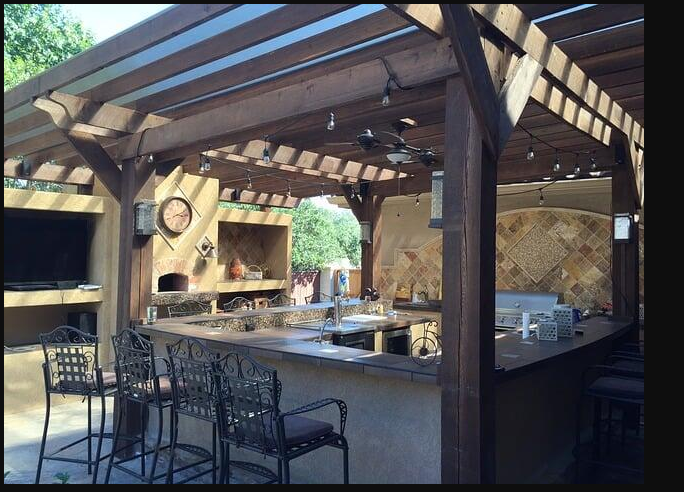
Urban apartment living can sometimes feel isolating, leaving neighbors with little opportunity to interact beyond a brief nod in the lobby. However, shared outdoor kitchen grills provide a natural focal point that draws people out of their individual units and into shared community spaces. The simple act of cooking in the open air breaks down social barriers and turns routine weekend evenings into lively neighborhood gatherings.
When property managers invest in communal cooking setups, they give residents a practical reason to linger outside together. These shared stations spark spontaneous conversations about recipes, neighborhood tips, and daily life.
This guide explores how well-planned cooking amenities foster genuine community spirit, enhance shared property spaces, and improve the overall apartment living experience.
Why Communal Cooking Spaces Combat Urban Isolation
Shared cooking areas give residents a casual, low-pressure environment to meet neighbors without the formality of an organized club or meeting.
High-density housing often lacks organic meeting grounds, making shared courtyards and patio grills essential for building a sense of belonging. When someone fires up a grill for a weeknight dinner, the aroma and presence naturally invite curious neighbors to stop by and chat. This casual interaction helps new tenants settle into the building much faster than they would by keeping to themselves.
Apartment hunters actively look for buildings that prioritize outdoor social amenities. A high-quality grilling station shows prospective renters that the property values a connected, active lifestyle.
Layout and Design Elements for Successful Resident Grilling Stations
Thoughtful physical design ensures that community grills accommodate multiple cooks and hungry neighbors smoothly at the same time.
Building a functional cooking hub requires more than dropping a metal box on a concrete slab. Property teams must install durable stainless steel equipment, weather-resistant prep counters, and accessible trash receptacles nearby. Surrounding the cooking zone with comfortable outdoor furniture pieces encourages residents to sit down and enjoy their meals rather than rushing back indoors.
Clear lighting and overhead shelters also allow residents to use the space safely after sunset and during light seasonal showers.
| Station Component | Operational Purpose | Community Benefit |
|---|---|---|
| Dual Burner Grills | Handles multiple meal preps at once | Prevents bottlenecks during peak weekend hours |
| Prep Countertops | Provides workspace for ingredients | Encourages collaborative meal preparation |
| Seating Walls and Benches | Offers resting spots for onlookers | Invites casual conversation and lingering |
| Integrated Sinks | Simplifies pre- and post-cooking cleanup | Keeps the immediate cooking area sanitary |
Fostering Food Culture and Neighborhood Traditions
Shared barbecue stations naturally inspire cultural exchanges as residents share unique family recipes and regional cooking styles.
Food has a unique ability to bridge cultural differences and spark engaging stories among people from diverse backgrounds. When residents organize casual weekend cookouts or monthly neighborhood potlucks around the community grill, they exchange cooking tips and dietary ideas. These recurring culinary events turn an ordinary courtyard into a beloved neighborhood tradition.
Sharing meals deepens interpersonal relationships, transforming anonymous apartment dwellers into a supportive, tight-knit community.
Promoting Outdoor Wellness and Balanced Eating Habits
Stepping outside to prepare fresh meals encourages residents to embrace healthier lifestyles and spend time away from indoor screens.
City residents often spend long hours working indoors under artificial light. Access to outdoor grills motivates tenants to cook with fresh vegetables, lean proteins, and whole foods instead of relying on takeout. The natural sunshine and fresh air also help reduce daily stress and support mental well-being.
When neighbors see each other cooking nutritious meals outside, it creates a positive, motivating atmosphere focused on personal health.
Operational Guidelines for Property Managers and Tenant Councils
Establishing transparent guidelines and regular upkeep schedules keeps shared cooking facilities safe and enjoyable for the entire building.
Property management teams must outline clear expectations for cleaning up after use, managing gas valves, and respecting quiet hours in courtyard areas. Regular maintenance checks on burners, gas lines, and electronic ignitions prevent unexpected equipment failures. When both management and residents take pride in keeping the space pristine, the grilling station remains a valuable asset for years.
Maintaining high standards in communal areas also mirrors general property care; for guidance on keeping interior common spaces just as inviting, review expert apartment upkeep strategies to ensure holistic community cleanliness.
Conclusion
Outdoor kitchen grills offer far more than a convenient way to cook dinner; they serve as the heartbeat of modern apartment communities. By offering comfortable spaces for shared meals and casual conversations, these amenities turn multi-family buildings into true neighborhoods. Property managers and residents alike benefit from embracing outdoor kitchen grills as a powerful tool for social connection.
How do apartment complexes typically fuel shared outdoor kitchen grills?
Most multi-family buildings connect built-in gas grills directly to the building’s main natural gas line to ensure a steady fuel supply without the safety risks of propane tanks.
Are resident reservations required to use community grills?
Some properties operate on a casual first-come, first-served basis, while larger communities use tenant portals to let residents reserve the grilling pavilion for private gatherings.
Who is responsible for cleaning the grill grates after cooking?
Residents are expected to brush down the grates and throw away their trash immediately after cooking, while property maintenance staff handle deep cleaning and safety inspections.
Can outdoor grills be used during cooler winter months?
Grills located under covered patios or pergolas remain operational year-round, though resident usage typically peaks during the spring and summer seasons.
What safety features are standard for multi-family grilling stations?
Standard safety setups include automatic shut-off timers, nearby fire extinguishers, non-slip stone flooring, and adequate clearance from combustible building walls.
Do shared grills increase apartment tenant retention?
Strong social amenities directly improve tenant satisfaction and build community ties, which often translates into higher lease renewal rates.
Are charcoal grills permitted in apartment courtyards?
Local fire codes and insurance regulations almost always prohibit open flame charcoal grills on multi-story apartment balconies and courtyards, making gas or electric units the standard.
Disclaimer: Specific amenity rules, local fire codes, and property guidelines can vary by location. Residents and property managers should always verify official building policies and equipment operating instructions directly with management sources.


