
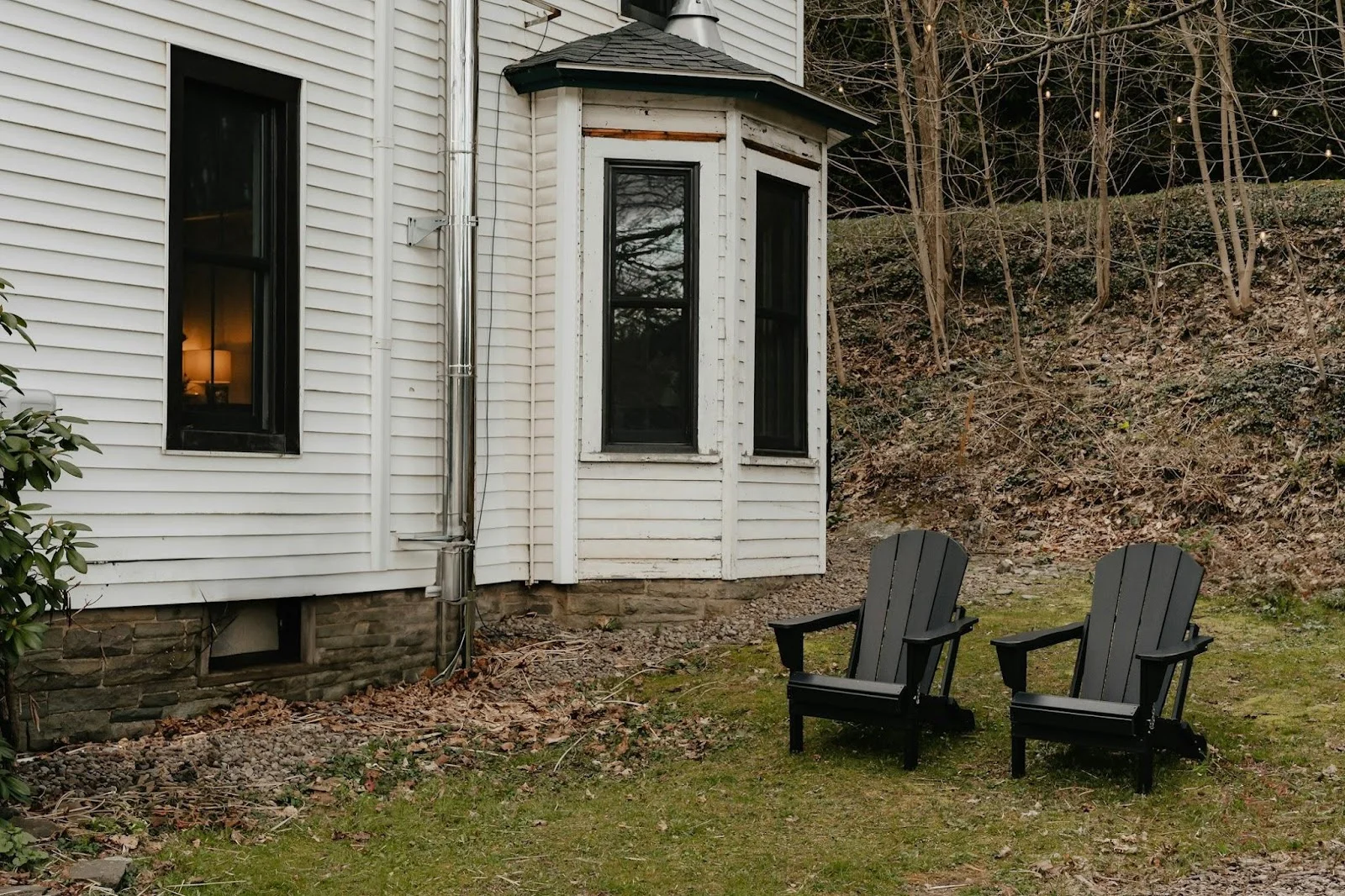
Creating a comfortable backyard sanctuary requires careful planning, especially when dealing with the wet, sun-drenched microclimate right next to a swimming pool. Selecting outdoor furniture for your poolside area means looking beyond simple aesthetics to evaluate how frames, cushions, and fasteners react to constant moisture, harsh UV rays, and corrosive pool treatments. By focusing on specialized materials engineered for aquatic environments, you can build an inviting lounge space that withstands heavy seasonal use.
Navigating Poolside Microclimates and Chemical Splash
Poolside microclimates subject patio furniture to intense moisture, high humidity, and splashing chlorinated or saltwater. When swimmers splash around, chemical residues land directly on nearby seating, which accelerates corrosion on unprotected metals and weakens inferior fabric fibers over time. Furthermore, standing water and damp towels foster mold growth on porous surfaces if materials lack proper breathability. Understanding these rigorous environmental factors ensures you invest in commercial-grade or high-durability residential pieces built specifically to endure chemical exposure and relentless sunshine.
Comparing Dedicated Poolside Frame Materials
Comparing the physical characteristics, maintenance routines, and expected lifespans of popular frame options helps clarify which material best fits your backyard layout.
| Material Option | Key Advantages | Primary Drawbacks | Maintenance Approach | Average Lifespan |
|---|---|---|---|---|
| Marine-Grade Teak | Natural oils resist rot; highly durable against water and pests | High initial expense; fades to silver without protective sealers | Periodic soap wash and optional teak oil application | 15 to 25+ years |
| Powder-Coated Aluminum | Lightweight frames; completely rust-proof when coated properly | Can become hot under direct midday sun; lightweight pieces may shift in high winds | Wipe down periodically with mild soapy water | 10 to 15 years |
| HDPE Lumber | Impervious to moisture and pool chemicals; completely splinter-free | Heavier profile makes rearranging difficult; premium price point | Simple wash with soap and water | 20+ years |
| Resin Wicker | Weatherproof synthetic weave mimics classic natural textures | Lower-grade plastics can become brittle and crack under heavy UV exposure | Gentle washing and avoiding harsh chemical cleaners | 5 to 10 years |
Selecting Rust-Proof Fasteners and Quick-Drying Cushion Tech
Choosing the right hardware and padding prevents premature failure and unsightly rust stains from bleeding onto your expensive stone patio. Standard steel screws and bolts will quickly rust in damp, chlorinated environments, leaving ugly brown streaks across your pool deck. Insist on marine-grade stainless steel fasteners, such as grade 316, which offer superior resistance to salt and chlorine corrosion. Pair these robust frames with quick-drying reticulated foam cushions wrapped in high-performance textiles like Sunbrella. These specialized fabrics shed water rapidly and resist mildew growth even when wet swimmers lounge on them all afternoon.
Designing Safe Walkways and Functional Backyard Layouts
Arranging your furniture layout requires balancing comfortable seating groups with essential safety clearances around the edge of the pool. Oversized sectionals can easily crowd smaller concrete surrounds, while placing chairs too close to the water creates tripping hazards for exiting swimmers. Maintain a clear perimeter of at least three to four feet around the entire pool rim to ensure unhindered movement and quick access in case of an emergency. For compact decks, opt for versatile stackable loungers or foldable side tables that you can easily move aside when hosting larger gatherings.
Protecting Your Investment Through Off-Season Winterization
Extending the operational lifespan of your poolside setup depends heavily on consistent routine cleaning and proper winter storage habits. Periodically rinsing your furniture removes accumulated chlorine residue, sunscreen oils, and airborne dirt that degrade surface finishes over time. During freezing winter months or extended periods of disuse, shield your seating with breathable, waterproof covers designed to block damaging ultraviolet rays. Storing removable cushions in a dry, sheltered shed or garage prevents moisture accumulation and keeps your outdoor living space pristine for the next swimming season.
Frequently Asked Questions
Which frame material handles saltwater pools the best?
Powder-coated marine-grade aluminum and high-density polyethylene lumber handle saltwater exposure exceptionally well without corroding or degrading.
How do I prevent rust spots on my stone pool deck?
Always check that your outdoor furniture uses marine-grade stainless steel fasteners rather than standard hardware that rusts when exposed to chlorine splash.
Can outdoor cushions be left out in heavy rainstorms?
While performance cushions feature quick-drying foam and water-repellent fabrics, storing them upright or under a covered patio during severe storms prevents waterlogging.
What is the easiest poolside furniture to maintain?
High-density polyethylene and powder-coated aluminum require very little upkeep beyond an occasional wash with mild dish soap and water.
How much clearance is needed between lounge chairs?
Leave roughly two feet of walking space between individual lounge chairs so guests can navigate the deck comfortably without squeezing through tight gaps.
Does teak wood require oiling when placed near a pool?
Teak naturally produces protective oils that resist moisture and rot, meaning oiling is optional and primarily used to maintain its rich golden color rather than for protection.
Selecting outdoor furniture for your poolside area involves balancing material resilience against water chemistry, local climate conditions, and everyday lounging comfort. As you refine your backyard layout and upgrade your exterior living spaces, keeping your broader property protected remains equally important. For more details on safeguarding your overall estate, explore our guide on property and casualty insurance protection.
Disclaimer: Material durability, weather resistance, and hardware performance can vary based on specific manufacturing standards, local weather patterns, and the frequency of routine maintenance. Homeowners should verify product warranties and care instructions directly with official manufacturers before making a purchase.

Daniel J. Morgan is the founder of Invidiata Magazine, a premier publication showcasing luxury living, arts, and culture. With a passion for excellence, Daniel has established the magazine as a beacon of sophistication and refinement, captivating discerning audiences worldwide.


[…] leaks. When planning these overhead structures, homeowners often coordinate the layout alongside quality outdoor furniture pieces to complete a unified backyard entertainment zone that feels balanced and […]
[…] styling inspiration when designing comfortable exterior seating zones, you may want to look into quality outdoor furniture pieces to coordinate your overall open-air […]
[…] counters, and accessible trash receptacles nearby. Surrounding the cooking zone with comfortable outdoor furniture pieces encourages residents to sit down and enjoy their meals rather than rushing back […]