
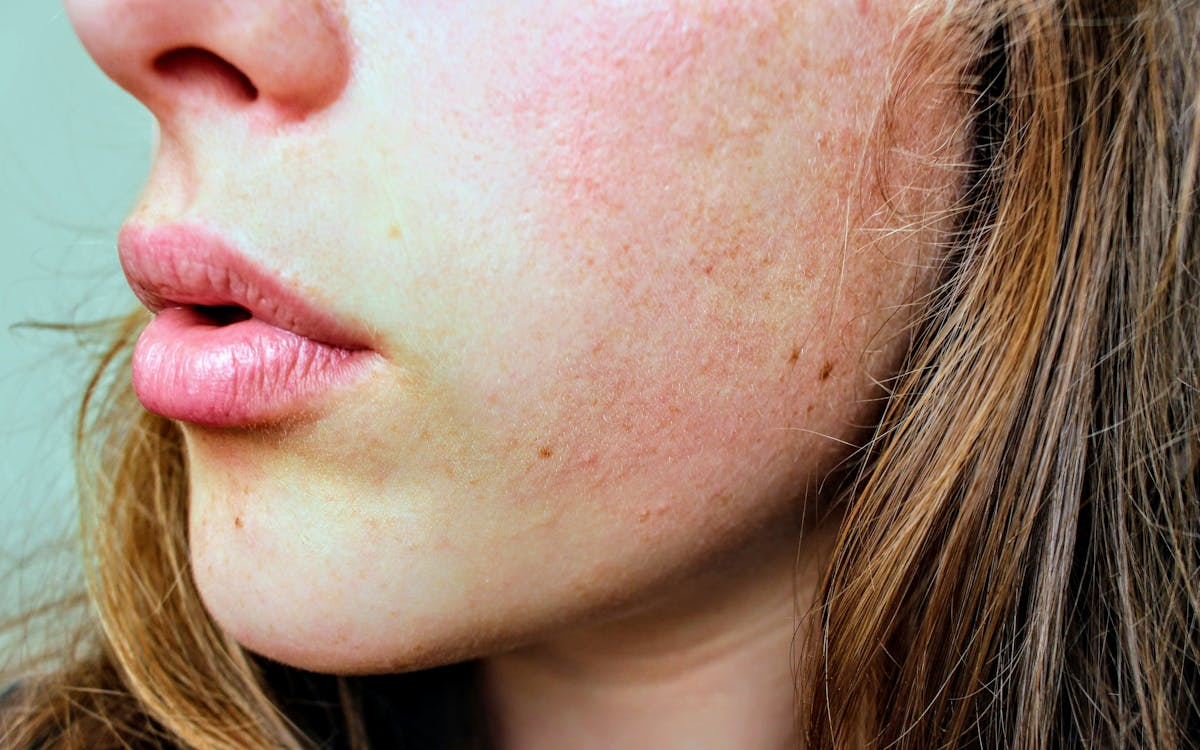
Lip fillers have evolved far beyond the exaggerated cosmetic trends of past decades, transforming into a precise aesthetic practice rooted in advanced soft-tissue science. Achieving a balanced, natural smile requires a thorough understanding of how specialized filler formulations interact with the unique mucosal architecture of the human mouth. This guide examines the biochemistry of modern dermal treatments, the clinical precision required during the injection process, and the safety measures that ensure predictable outcomes.
How Hyaluronic Acid Gels Integrate with Delicate Lip Tissue
Hyaluronic acid serves as the primary biochemical foundation for lip fillers because it closely mimics the moisture-binding sugars naturally produced by the human body.
As a hydrophilic polysaccharide, hyaluronic acid acts as a molecular sponge that holds up to a thousand times its weight in water, providing immediate hydration and volume upon placement. When a qualified practitioner deposits this cross-linked gel into the vermilion border and labial mucosa, the product integrates smoothly with surrounding collagen fibers and cellular matrices. The density of the cross-linking process determines whether a specific filler formulation offers soft surface hydration or firmer structural support for defining the Cupid’s bow.
Navigating Labial Anatomy and Vascular Safety During Injections
The human lip features an exceptionally dense network of blood vessels and sensory nerves that demand expert anatomical navigation from any clinician.
Unlike thicker areas of facial skin, the superior and inferior labial arteries run relatively close to the mucosal surface, making detailed vascular mapping essential for patient safety. Experienced medical injectors utilize ultra-fine needles or blunt-tip micro-cannulas to place product within safe tissue planes, avoiding critical blood vessels and preventing accidental vessel compression. For readers interested in how specialized care and customized oversight improve outcomes across various personal enhancement disciplines, examining approaches like tailored personal fitness modalities highlights the value of expert professional guidance.
Matching Gel Rheology to Natural Lip Movement and Flexibility
Gel rheology measures how hyaluronic acid stretches, deforms, and resists compression, directly influencing how a filler behaves during daily facial expressions.
Lips undergo constant mechanical stress from talking, eating, and smiling, meaning a rigid filler would create an unnatural and stiff appearance. Manufacturers engineer specific products with high elasticity and cohesivity so the gel stretches dynamically during movement without migrating away from the targeted treatment zone. Softer, lower-viscosity formulations disperse evenly across the superficial mucosa to smooth out fine lines and restore subtle volume without stiffness.
Reversibility Protocols and the Essential Role of Hyaluronidase
Modern aesthetic safety relies heavily on established emergency protocols, most notably the universal availability of hyaluronidase as a dedicated reversal agent.
Hyaluronidase is a specialized enzyme capable of breaking down the chemical bonds of cross-linked hyaluronic acid, safely dissolving unwanted filler within hours if asymmetry or vascular compromise occurs. While mild bruising, tenderness, and localized swelling represent standard inflammatory responses to needle trauma, a vascular occlusion requires immediate enzymatic intervention by a trained medical professional. This inherent reversibility remains the primary reason hyaluronic acid products are favored over permanent synthetic alternatives in modern soft-tissue enhancement.
Managing Post-Treatment Recovery and Settling Timelines
Following the initial procedure, the lip tissue undergoes a predictable biological healing phase as the introduced hyaluronic acid settles into its final position.
During the first forty-eight hours, localized fluid retention and micro-inflammation frequently cause temporary swelling that can make the lips appear larger than their intended outcome. Patients are typically advised to avoid strenuous physical exertion, alcohol consumption, and extreme heat exposure during this window to minimize elevated blood pressure and bruising. As the hydrophilic gel molecules fully bind local moisture and tissue swelling subsides, the soft, natural contours become completely visible within one to two weeks.
Frequently Asked Questions
What makes hyaluronic acid the safest material for lip fillers?
Hyaluronic acid occurs naturally in human tissue, making it readily accepted by the body with minimal allergy risks and full enzymatic reversibility.
How does gel rheology affect the look and feel of my lips?
Rheology dictates the elasticity and firmness of the filler, ensuring that modern products bend and stretch naturally with facial expressions.
Why is anatomical vascular mapping critical during lip injections?
Detailed knowledge of labial artery pathways allows injectors to place product safely and prevent dangerous compression of blood vessels.
Can lip fillers be reversed if complications occur?
Yes, qualified medical professionals can inject hyaluronidase to rapidly and safely dissolve hyaluronic acid fillers if necessary.
What causes swelling after a lip filler procedure?
Swelling is a normal inflammatory reaction to needle trauma combined with the hydrophilic nature of hyaluronic acid drawing water into the site.
How long do modern hyaluronic acid lip fillers typically last?
Most premium hyaluronic acid lip fillers last between six and twelve months before the body gradually metabolizes the gel.
Who is authorized to perform medical-grade lip enhancements?
Treatments should only be administered by licensed medical doctors, board-certified dermatologists, plastic surgeons, or trained nurse injectors under proper medical direction.
Disclaimer: The information provided in this article is intended strictly for educational purposes and does not substitute for professional medical advice. Cosmetic procedures carry inherent clinical risks that must be evaluated individually with a qualified healthcare practitioner.

Daniel J. Morgan is the founder of Invidiata Magazine, a premier publication showcasing luxury living, arts, and culture. With a passion for excellence, Daniel has established the magazine as a beacon of sophistication and refinement, captivating discerning audiences worldwide.


