

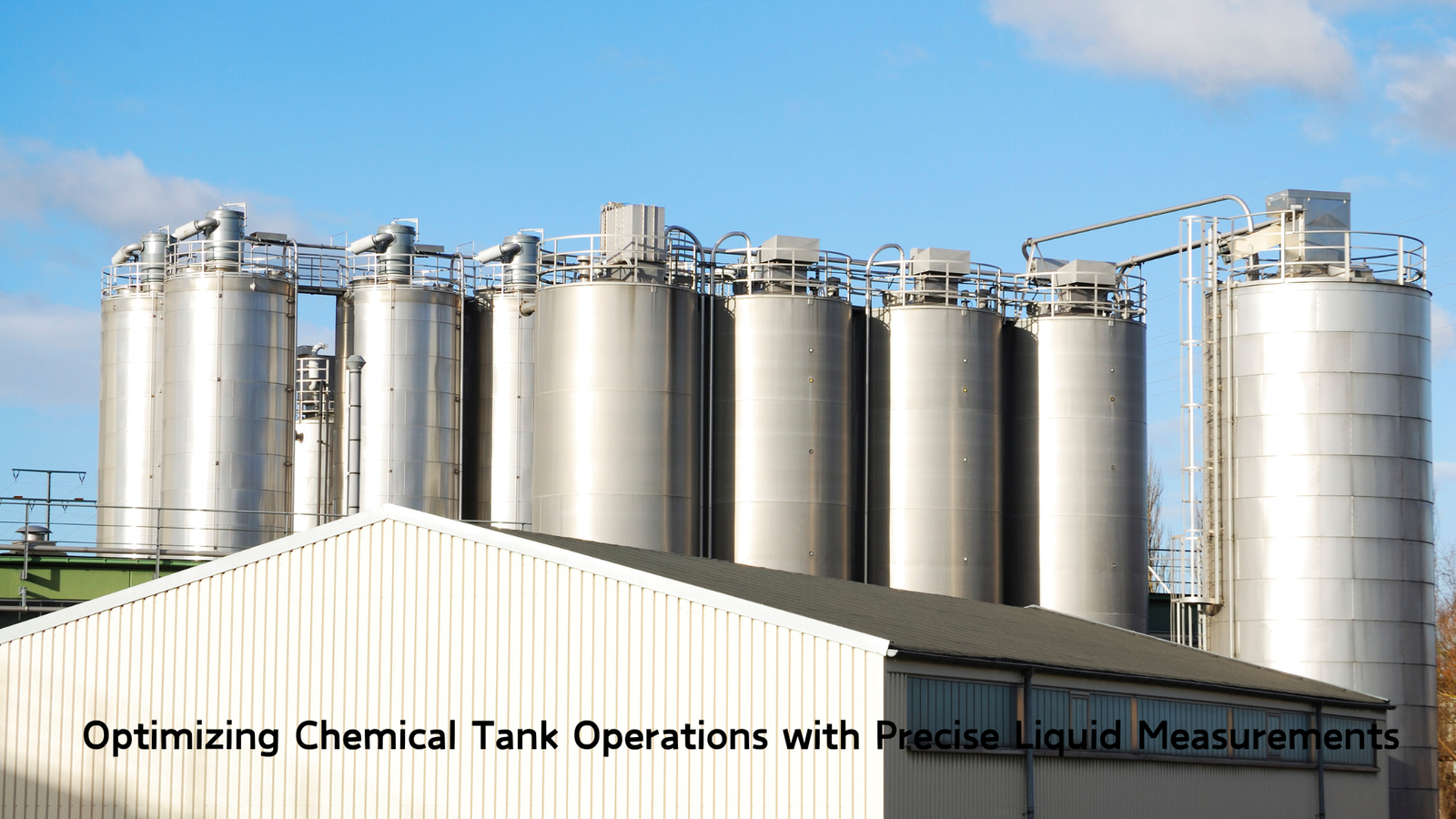
In the complex world of chemical manufacturing and storage, precision is paramount. The efficiency and safety of chemical tank operations hinge on accurate liquid measurements, which ensure that processes run smoothly and resources are utilized effectively. As industries strive to optimize operations, the demand for precise measurement tools and techniques becomes increasingly critical.
This article explores the significance of precision in liquid measurements, modern technological advancements, and the various methods employed to enhance modern chemical processing plants.
Safeguarding Chemical Yields and Preventing Catastrophic Failures
Accurate liquid measurement is crucial because it directly safeguards material yield, operational budgets, and plant safety.
Accurate liquid measurement ensures that the right amount of material is used in production processes, minimizing waste and reducing costs. Inaccurate measurements can lead to overfilling or underfilling, both of which can have serious repercussions. Overfilling may result in spillage, posing environmental hazards and financial losses, while underfilling can compromise the quality of the final product.
Moreover, precise measurements are vital for maintaining safety standards. Chemical reactions often require exact quantities of substances to prevent dangerous situations such as explosions or the release of toxic gases. Proper measurement tools help in maintaining the delicate balance needed for safe operations, distinguishing routine batch production errors from catastrophic facility incidents.
Evaluating Level Measurement Sensors for Industrial Vessels
Selecting the appropriate level measurement sensor requires matching specific chemical properties and tank geometries to the correct technological mechanism.
- Float-Based Systems: These are traditional systems that use a buoyant device to measure the level of liquid. While cost-effective, they require regular maintenance and calibration to ensure accuracy.
- Capacitance Level Sensors: These sensors detect changes in capacitance caused by the presence of a liquid. They are highly sensitive and can be used in various liquids, although they may require calibration based on the dielectric constant of the liquid.
- Radar Level Sensors: Utilizing microwave radar technology, these sensors provide highly accurate measurements without direct contact with the liquid. They are ideal for corrosive or hazardous substances, as they help maintain safety by preventing exposure.
- Ultrasonic Level Sensors: These sensors use ultrasonic waves to measure the distance to the surface of the liquid. By calculating the time it takes for the waves to be reflected back, precise measurements can be achieved. Ultrasonic level sensors are highly effective in a range of environments and are valued for their non-invasive nature and adaptability to various tank sizes and shapes.
- Pressure Sensors: These devices measure the pressure at the bottom of a tank to determine the liquid level. They are particularly useful for dense or viscous liquids, where other measurement techniques might struggle.
Harnessing High-Frequency 80 GHz Radar and Remote Telemetry
High-frequency radar technology and digital control integration have completely transformed how industrial facilities monitor difficult chemical vessels.
Modern high-frequency 80 GHz radar instruments emit a tightly focused beam that easily penetrates heavy vapors, intense condensation, and internal tank agitators without signal degradation. Unlike older low-frequency alternatives, these advanced devices maintain exceptional accuracy even in turbulent or boiling chemical solutions. Furthermore, continuous level measurement instruments now feed directly into Distributed Control Systems and Automated Inventory Management Systems via wireless protocols. This digital integration allows plant engineers to monitor real-time telemetry remotely, reducing manual rounds and preventing unexpected stockouts.
Overcoming Corrosion, Foam, and Agitation in Aggressive Vats
Aggressive chemical compositions and extreme physical conditions present persistent obstacles that demand specialized equipment and material engineering.
Chemical storage tanks frequently contain highly corrosive acids, volatile solvents, or caustic bases that quickly degrade standard metallic components. To prevent premature sensor failure, engineers specify robust wetted parts constructed from advanced materials like polytetrafluoroethylene or specialized alloys such as Hastelloy. Additionally, heavy foaming, crystallizing vapors, and extreme operating temperatures can distort sensor readings unless operators select non-contacting technologies equipped with advanced signal processing algorithms.
Driving Plant Productivity Through Continuous Telemetry
Real-time level data serves as the foundation for broader facility improvements, streamlining inventory turns and ensuring strict regulatory compliance.
When chemical plant managers utilize precise measurement data, they can optimize inventory turnover rates and reduce the working capital tied up in excess raw materials. Accurate telemetry also eliminates emergency shutdowns caused by false high-level alarms or unexpected empty vessels. By maintaining consistent production conditions, facilities more easily meet rigorous environmental and safety mandates established by regulatory bodies, avoiding costly fines and legal complications. To support broader corporate goals, businesses often pair these sensor networks with comprehensive software platforms for modern business operations to streamline supply chain logistics.
Conclusion
As chemical industries continue to evolve, the emphasis on precise liquid measurements will only grow. By adopting advanced measurement techniques and tools, companies can optimize their tank operations, leading to enhanced safety, efficiency, and cost-effectiveness. Investing in precision not only benefits the bottom line but also supports sustainable and responsible industry practices.
In conclusion, the future of chemical tank operations lies in the pursuit of precision. By embracing accurate liquid measurement technologies, industries can achieve greater operational success while upholding the highest standards of safety and environmental responsibility.
Frequently Asked Questions
What is the primary advantage of radar level sensors over float-based systems in chemical tanks?
Radar level sensors operate without physical contact with the chemical liquid, eliminating mechanical wear and reducing the risk of corrosion or contamination.
How do 80 GHz radar sensors handle heavy vapors and condensation?
High-frequency 80 GHz radar uses a highly focused beam that cuts through heavy vapors and moisture accumulation without scattering the microwave signal.
Why is material compatibility important for wetted parts in chemical tanks?
Aggressive acids and caustic chemicals can rapidly corrode standard metals, making resistant materials like PTFE or Hastelloy essential for long-term sensor reliability.
How does digital data integration improve plant safety?
Connecting level sensors to Distributed Control Systems allows for automated overfill prevention and real-time remote monitoring, reducing human exposure to hazardous areas.
Can pressure sensors measure level in viscous liquids?
Yes, hydrostatic pressure sensors are exceptionally effective for dense, viscous, or heavy chemical solutions where surface-based reflection methods might struggle.
What role do precise measurements play in regulatory compliance?
Accurate inventory and level tracking prevent accidental spills and environmental discharges, helping facilities adhere strictly to local and federal safety laws.
Disclaimer: Industrial chemical processes and tank measurement requirements vary based on facility design and specific material properties. Readers should always verify final technical specifications and compliance guidelines directly with official engineering standards and equipment manufacturers.


[…] larger facility upkeep or related liquid containment infrastructure, you can explore guides on optimizing chemical tank operations with precise liquid measurements for broader […]