

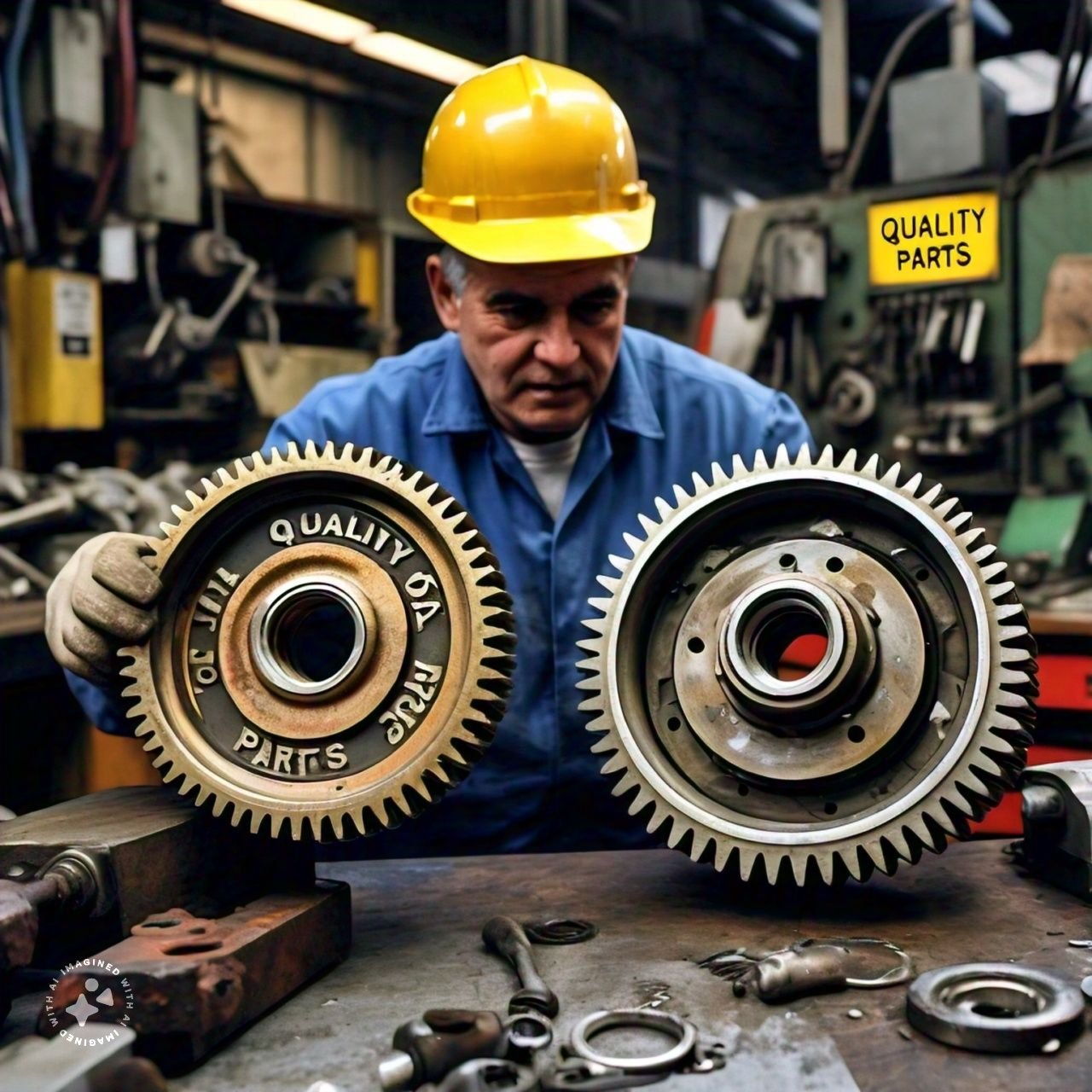
Introduction to Equipment Longevity
Ensuring the longevity of your equipment is crucial for maximizing investment returns and maintaining steady operational efficiency in any commercial or industrial setting. Regular maintenance increases the overall lifespan of industrial machinery and commercial devices, preventing unexpected breakdowns and expensive emergency repairs. Studies have shown that well-maintained equipment can outlast neglected machinery by several years while delivering higher daily output. Careful upkeep saves money in the long run and directly increases productivity, workplace safety, and asset reliability.
When organizations overlook the foundational role of durable components, machinery begins to degrade prematurely under standard operating conditions. Every mechanical assembly relies on the precise interaction of individual sub-components, ranging from heavy-duty drive belts to delicate electronic sensors. If a single low-grade element fails, it creates a ripple effect of mechanical stress that compromises adjacent parts. Building an organizational culture that prioritizes asset health starts with understanding how material composition directly influences day-to-day durability.
The Hidden Costs of Cheap Replacement Parts
Selecting budget-friendly replacement components often introduces hidden risks that accelerate wear and tear across the entire machine. While generic or substandard alternatives may look appealing on an initial purchase invoice, they frequently fail prematurely due to inferior metallurgy, poor manufacturing tolerances, or incompatible chemical properties. This early failure rate leads to repeated replacements, higher labor expenses, and extended periods of unplanned downtime.
Furthermore, installing uncertified components can sometimes void manufacturer warranties, leaving facility managers entirely responsible for subsequent mechanical failures. When a budget part breaks inside a high-stress motor or hydraulic pump, the resulting shrapnel often destroys expensive surrounding assemblies that would have otherwise lasted for years. Calculating the true financial impact requires looking beyond the sticker price of a single component and factoring in the cumulative labor hours lost during emergency overhauls.
Core Maintenance Practices for Maximum Uptime
Establishing consistent operational routines helps organizations catch minor mechanical anomalies before they escalate into major operational disruptions. Regular and frequent inspections are critical for identifying early signs of deterioration, such as unusual vibrations, fluid leaks, or thermal stress in electrical connections. Equipment operators must also strictly adhere to the service intervals and lubrication charts provided in the manufacturer documentation.
Additionally, adjusting maintenance schedules to account for seasonal environmental shifts ensures that machinery functions reliably despite temperature extremes or high humidity. Cold weather can thicken lubricants and make metal brittle, while hot summers place heavy thermal loads on cooling systems. Integrating systematic cleaning protocols into daily shifts prevents dust accumulation from blocking vital airflow paths, thereby safeguarding critical internal circuits from overheating.
| Maintenance Factor | Low-Quality Approach | Premium Quality Approach |
|---|---|---|
| Replacement Interval | Frequent, unpredictable failures | Predictable, scheduled lifespans |
| Warranty Status | Often voided by unverified parts | Fully protected by manufacturer terms |
| Total Operating Cost | High cumulative repair overhead | Optimized long-term expenditure |
When to Call in Professional Technicians
Enlisting specialized engineering expertise becomes essential when diagnostic tasks require advanced diagnostic equipment or proprietary software analysis. While internal staff can handle basic lubrication and filter swaps, certified technicians possess the training required to evaluate complex hydraulic systems, electrical control boards, and internal tolerances. Regular professional evaluations uncover latent structural defects that standard visual checks might miss entirely.
Collaborating with outside specialists also helps maintenance teams streamline their servicing protocols and plan capital upgrades more effectively. External auditors bring fresh perspectives to an aging facility, identifying systemic inefficiencies in how replacement inventory is stored and installed. Partnering with qualified service providers ensures that major overhauls comply with current industry standards and safety regulations.
Leveraging Modern Maintenance Software
Digital asset management tools automate service tracking and prevent crucial inspection milestones from falling through the cracks. Computerized maintenance management systems allow facility operators to log repair histories, monitor component performance trends, and order replacement inventory proactively. This data-driven approach removes guesswork from asset management and ensures that repair teams replace components precisely when needed, rather than reacting blindly to sudden failures.
Modern software platforms also integrate directly with predictive sensors that monitor real-time vibration and temperature data. When a bearing begins to wear down, the system alerts maintenance personnel long before a catastrophic seizure occurs. Adopting these digital workflows transforms traditional, reactive repair shops into proactive organizations capable of achieving maximum operational efficiency.
Beyond internal machinery upkeep, regulating household atmospheric moisture levels remains an essential consideration for protecting delicate control electronics and sensitive components from premature atmospheric degradation.
Frequently Asked Questions
Why do cheap replacement parts wear out faster than OEM components?
Budget parts are often manufactured using lower-grade materials and less precise dimensions, leading to excessive friction, vibration, and premature structural failure under normal operating loads.
How often should heavy machinery undergo professional inspections?
Most commercial and industrial devices benefit from comprehensive expert evaluations at least once or twice a year, depending on operating intensity and environmental severity.
Does using aftermarket components automatically void an equipment warranty?
Not always, but many manufacturers state that if an unapproved part directly causes a subsequent failure, the repair costs will not be covered under the original guarantee.
What is the main advantage of preventive maintenance over reactive repairs?
Preventive maintenance schedules eliminate sudden, catastrophic breakdowns, reducing emergency labor costs and minimizing disruptions to daily business operations.
How does environmental humidity impact equipment longevity?
Excess moisture in the operating environment accelerates metal corrosion and electrical degradation, making proper climate control and protective storage essential for delicate machinery.
What role does operator training play in extending equipment lifespan?
Well-trained operators handle machinery correctly, avoiding rough handling, overloading, or incorrect startup procedures that cause unnecessary mechanical strain.
Disclaimer: Equipment maintenance requirements vary widely depending on specific manufacturer guidelines, operating environments, and industry regulations. Readers should always consult official documentation and certified professionals before performing major mechanical overhauls. For additional tips on regulating household atmospheric moisture levels, check out our related resources.


[…] When a watch arrives at the bench with a broken gear or a slipping clutch, technicians scan the technical drawing to pinpoint the exact part number and factory tolerance. Reassembling a complex gear train requires absolute vertical alignment between wheel pivots and their respective jewel hole bearings. Working from a verified schematic prevents technicians from forcing mismatched pivots into tight bushings, protecting delicate components from catastrophic damage and safeguarding long-term mechanical longevity. […]