

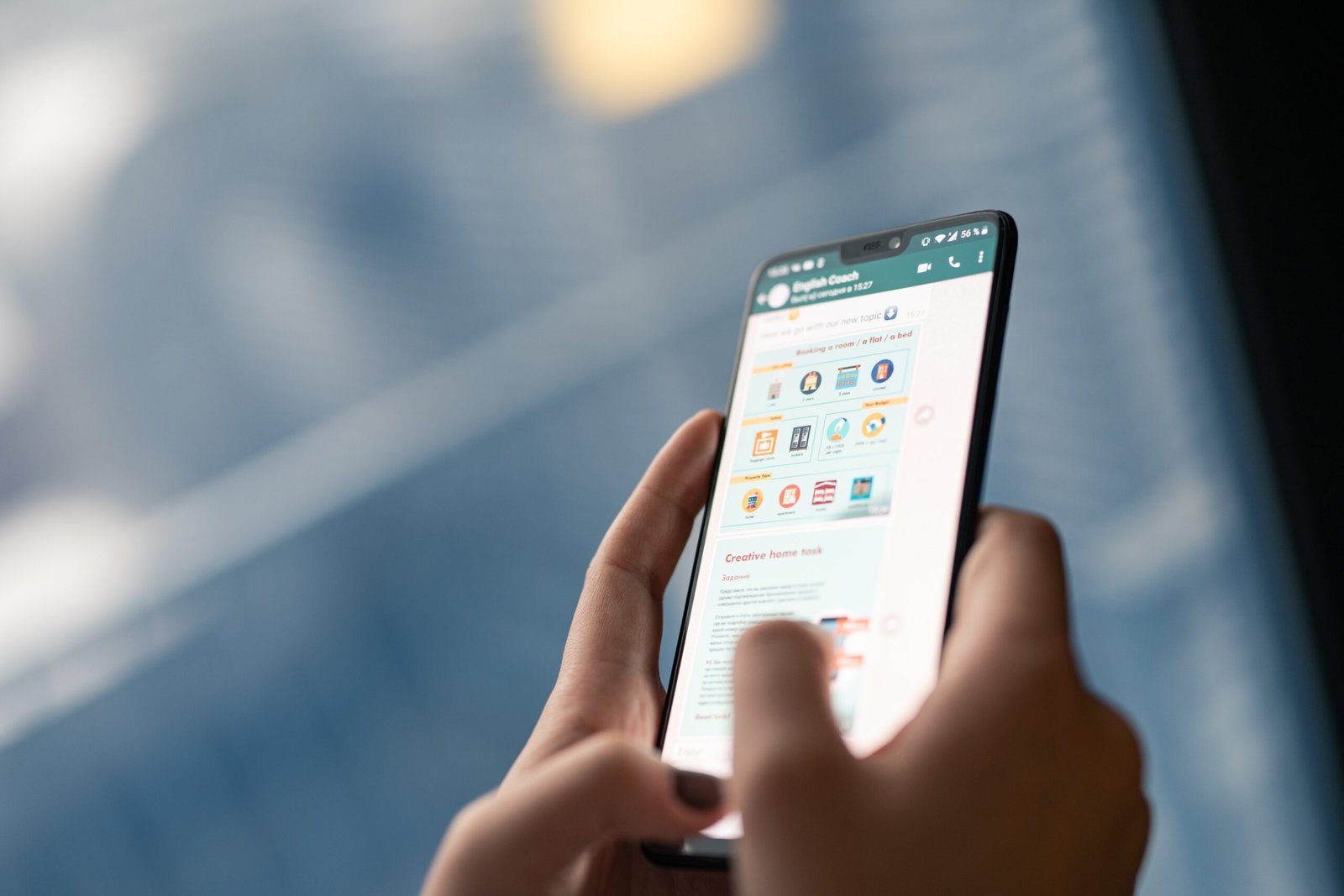
In an era dominated by e-commerce giants, brick-and-mortar retailers are discovering an unexpected ally in their quest to remain relevant and competitive: mobile applications.
While the trend began in tech-savvy urban centers, it has rapidly spread across the globe. This digital transformation is reshaping the retail landscape, offering traditional stores new ways to engage customers and streamline operations.
The Evolving Retail Landscape in 2026
Physical retail survives against online competitors by offering distinct sensory experiences that digital platforms cannot replicate.
The retail industry has undergone massive structural changes over recent years, driven by shifting consumer habits. E-commerce platforms capture a significant share of global consumer spending, placing immense pressure on traditional brick-and-mortar stores. However, physical retail still holds a unique appeal to shoppers because it provides immediate physical access to goods. Customers appreciate being able to touch, feel, and test items directly without waiting for shipping carriers. Furthermore, personal customer service delivered by knowledgeable store staff creates human connections that online algorithms simply cannot match. Social shopping experiences shared with friends or family members turn routine errands into enjoyable outings.
The challenge for store owners lies in leveraging these human-centric strengths while embracing modern digital tools to enhance the overall journey. This is where mobile apps enter the picture, offering retailers a reliable way to stay competitive and build strong brand recognition.
Bridging the Gap Between Online and In-Store Experiences
Retail mobile applications serve as a bridge between online convenience and physical stores rather than acting merely as secondary sales channels.
Many merchants initially viewed mobile apps as simply another digital catalog. However, innovative development teams have demonstrated that these tools can do much more. They connect digital research with physical browsing, actively enhancing the in-store experience from the moment a shopper walks through the door. Modern applications now incorporate generative AI shopping assistants, advanced computer vision for instant stock lookups, and frictionless mobile wallet integrations that streamline every visit.
Personalized Shopping and AI Assistants
Tailored digital interactions help physical stores meet rising consumer expectations for customized service.
Applications analyze past purchase history and browsing behavior to deliver tailored product recommendations based on individual style preferences. Shoppers receive targeted discounts and promotional offers during their actual store visits through location-based triggers.
Indoor Navigation and Augmented Reality
Large department stores and sprawling shopping centres can easily overwhelm visitors without proper digital guidance.
Indoor mapping and location tracking systems help shoppers locate specific products in designated aisles within seconds. Augmented reality features allow customers to visualize furniture, clothing sizes, or paint colors directly through their smartphone screens while standing inside the physical aisle.
Unified Omnichannel Workflows
Modern consumers frequently switch between digital research and physical purchasing without encountering friction.
Applications allow customers to check live in-store product availability before leaving home, eliminating wasted trips. Click-and-collect services ensure rapid order pickup at dedicated front-counter lockers. Unified shopping carts maintain synchronization across online and offline channels to keep transaction histories completely transparent.
Advanced Technology Integration and Data Security
Retailers gain valuable operational insights by monitoring app interactions while maintaining strict compliance with modern data privacy regulations.
Tracking customer behavior and preferences helps store managers optimize inventory levels, while foot traffic analytics inform better staff scheduling. Furthermore, insights gained from app usage can guide broader marketing strategies, much like how businesses utilize targeted digital marketing growth techniques to expand their audience reach online. At the same time, stringent adherence to evolving cookie and tracking consent laws active in 2026 builds lasting consumer trust and prevents costly security breaches.
Retail App Comparison Table
Different business models utilize mobile features in unique ways to serve their specific customer bases effectively.
| Retail Type | Primary App Feature | Main Benefit |
|---|---|---|
| Fashion Retail | AR Virtual Try-Ons | Reduces return rates and boosts engagement |
| Grocery Chain | Scan-and-Go Checkouts | Eliminates long queues at cash registers |
| Bookstore | Interactive Shelf Mapping | Helps shoppers find specific titles instantly |
| Local Bakery | Pre-Order Notifications | Secures advance sales and manages baking supply |
Frequently Asked Questions
Why do physical stores need mobile apps?
Mobile apps bridge the gap between online convenience and physical browsing, giving customers compelling reasons to visit brick-and-mortar locations.
How do retail apps improve customer loyalty?
They integrate digital punch cards, personalized discounts, and gamified rewards directly into the shopper’s smartphone wallet.
What features matter most in a retail app?
Essential features include inventory lookup, indoor navigation, click-and-collect ordering, and secure mobile payment integration.
How do apps integrate with in-store systems?
APIs connect the mobile application directly to Point of Sale and inventory management databases for real-time updates.
Are retail apps expensive to build?
Development costs vary widely based on complexity, required integrations, and whether the software is custom-built or platform-based.
Can small independent stores benefit from apps?
Yes, smaller shops use simple apps for loyalty programs, local pickup orders, and push notifications about daily specials.
Disclaimer: Retail technology trends and software capabilities evolve continuously. Store owners should verify final technical specifications and regulatory requirements with official technology providers before launching any retail application.

Passionate content writer and savvy blog publisher, Aamir crafts compelling stories and insightful articles that captivate and inform. With a knack for blending creativity and strategy, they bring fresh perspectives to every piece. Dive into their world of words and discover content that resonates.


