

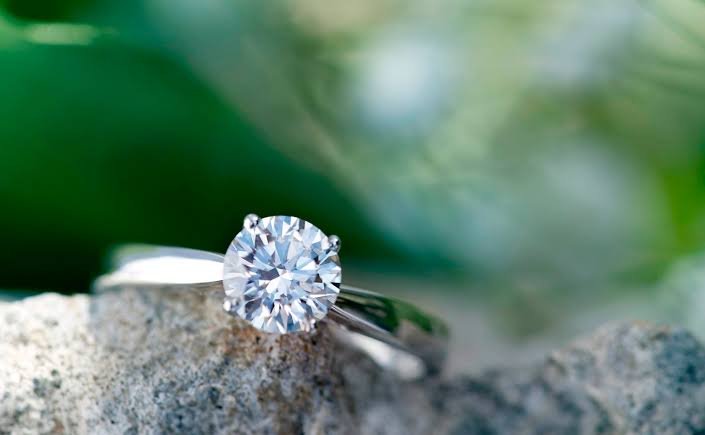
Shifting economic priorities across the jewelry market have led modern buyers to examine lab-grown options closely when searching for maximum physical size without excessive expense. Advanced synthesis techniques now yield magnificent stones that offer identical physical resilience and optical brilliance compared to traditional underground extractions. Consumers no longer need to sacrifice carat weight or settle for lower clarity grades to stay within a reasonable budget.
This guide examines the mechanics of choosing laboratory-created centerpieces through trusted online marketplaces like Rare Carat, highlighting how everyday purchasers acquire substantial gems while keeping their total investment transparent and manageable.
Can You Really Get a Bigger Diamond for Less?
Shoppers can indeed secure significantly larger carat weights for the exact same budget by prioritizing laboratory-created alternatives over traditional mined inventories.
The financial advantage stems directly from a more efficient supply chain and scalable growth protocols that bypass heavy excavation overhead. Because production facilities control the environment from start to finish, the resulting market pricing remains highly favorable to consumers looking for multi-carat rings. This accessibility transforms what standard shoppers can expect to wear on their hands, allowing for bold, striking centerpieces that would otherwise require a massive financial stretch if sourced entirely from natural earth-mined stones.
How Lab-Grown Diamonds Are Made and Why It Affects Price
Laboratory-created diamonds develop inside specialized chambers that replicate the intense pressure and thermal conditions found deep beneath the Earth’s crust.
Industry professionals primarily utilize High-Pressure High-Temperature (HPHT) systems alongside Chemical Vapor Deposition (CVD) reactors to build crystals layer by microscopic layer. Each process begins with a pure carbon seed, feeding raw elements into the chamber until a complete rough diamond crystallizes after several weeks of continuous supervision. Because manufacturers can ramp up output to match steady consumer interest, the broader market maintains a reliable supply of large, clean rough stones that ultimately push retail prices downward compared to scarce mined equivalents.
Comparing Costs: Lab-Grown vs. Natural Diamond Pricing
Market valuations shift depending on individual gem grades, but manufactured stones consistently present a more flexible pathway to larger jewelry centerpieces.
To illustrate how financial allocations distribute between these two categories, review the structural differences outlined in the comparison table below regarding physical impact and expenditure.
| Diamond Category | Typical Carat Focus | Cost Impact | Visual Presence |
| Natural Mined Stones | Standard 1.0 to 1.5 Carat | Higher baseline investment | Standard finger coverage |
| Laboratory-Grown Stones | Expanded 2.0 to 3.0 Carat | Comparable or lower budget | Substantially larger appearance |
This distinct valuation model empowers buyers to reallocate their funds toward higher color classifications or wider carat measurements without inflating their overall spending limits.
Shopping and Customizing on Rare Carat
Navigating extensive digital inventories on specialized platforms enables purchasers to filter stones precisely by cut, color, clarity, and carat weight to match their personal aesthetic.
The interface provided by Rare Carat incorporates high-definition 360-degree photography and authenticated grading documents so shoppers can inspect minute inclusions before committing any money. For deeper insights into current consumer habits, many buyers review why lab-grown diamonds are taking the jewelry world by storm to understand the broader market evolution.
Getting Expert Help: The Dial A Diamond Service
Personalized consultations with trained gemologists help shoppers evaluate complex stone specifications with total confidence.
The Dial A Diamond concierge feature connects prospective buyers directly with industry experts who can review independent laboratory certificates, compare light performance across multiple contenders, and answer technical questions. This human element bridges the gap between digital self-service browsing and traditional brick-and-mortar jewelry store support.
Environmental and Ethical Considerations
Conscientious consumers frequently demand full transparency, seeking reassurance that their luxury purchases align with sustainable and fair trade principles.
Laboratory-grown options completely avoid the severe land disruption and heavy ecological footprint tied to large-scale industrial earth mining. Although electrical power usage remains an important consideration in operating high-output growth laboratories, many modern facilities are actively shifting toward renewable energy portfolios to minimize their carbon footprint. This dedication to ecological responsibility appeals strongly to buyers who want high-end jewelry backed by a verifiable and clean origin story.
Frequently Asked Questions
Do lab-grown diamonds look different from natural diamonds?
Lab-grown diamonds are optically, chemically, and physically identical to natural stones, meaning they exhibit the exact same dispersion, brilliance, and hardness.
Can a standard jeweler’s tester tell the difference?
Standard diamond thermal and electrical testers register a lab-grown diamond as a genuine diamond because both share an identical carbon crystal lattice.
Are lab-grown diamonds considered real diamonds?
Leading gemological authorities, including the Gemological Institute of America (GIA), officially classify lab-grown diamonds as genuine diamonds due to their true physical properties.
How does resale value compare between natural and lab-grown stones?
Similar to modern consumer electronics or luxury automobiles, lab-grown diamonds generally do not hold residual resale value in the same manner traditional mined stones historically have.
Why are lab-grown diamonds dropping in price?
As manufacturing technology grows more refined and global production capacity expands rapidly, the overall cost required to cultivate rough crystals has decreased.
Can I get any cut or shape in a lab-grown diamond?
Lab-grown diamonds are readily available across all popular shapes and cuts, ranging from classic round brilliants to elongated ovals, emeralds, radiants, and pears.

Passionate content writer and savvy blog publisher, Aamir crafts compelling stories and insightful articles that captivate and inform. With a knack for blending creativity and strategy, they bring fresh perspectives to every piece. Dive into their world of words and discover content that resonates.


