

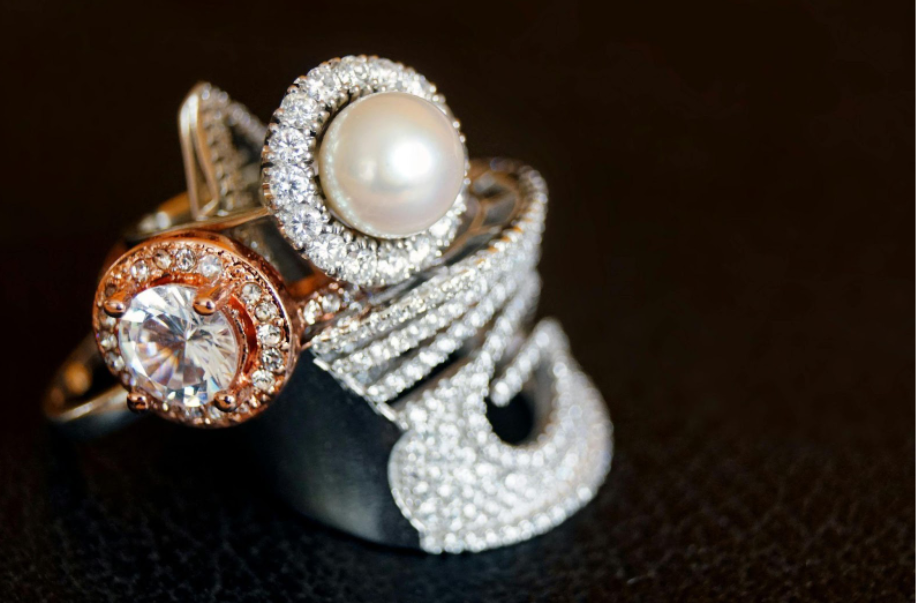
Nature-inspired jewellery captures the quiet grace of botanical shapes and forest textures to create wearable pieces that offer a grounded counterpoint to modern life.
Why Organic Design Resonates in Modern Wardrobes
Organic design styles connect people to the natural world by translating raw textures into precious metals and polished gemstones.
In a digital landscape filled with glowing screens and fast-paced schedules, tactile accessories provide a much-needed sense of relief. Wearing a ring shaped like a curling fern frond or a pendant styled after a climbing vine offers a subtle reminder of quiet forests and coastal paths. This emotional connection goes beyond standard fashion choices, allowing individuals to carry a personal piece of the outdoors wherever they go. Modern wearers increasingly look for items that tell a meaningful story about personal wellness and a slower, more intentional pace of living. When accessories embrace the asymmetry and fluid lines found in nature, they break away from the monotony of mass-produced uniformity.
Flora, Fauna, and Geological Motifs in Craftsmanship
Detailed craftsmanship focuses heavily on capturing authentic plant structures, woodland animals, and weathered geological patterns.
Artisans often study real botanical specimens to recreate the gentle curves of ivy tendrils, the intricate veining of leaf structures, or the rough exterior of tree bark. For instance, many modern buyers choose engagement rings with leaf motifs to express a deep appreciation for organic beauty and timeless symbolism. Beyond botanical elements, contemporary designers experiment with woodland textures by brushing yellow gold to mimic woodgrain or smoothing ocean-tumbled pebbles into minimalist silver pendants. Each artistic choice translates a specific outdoor experience into a wearable keepsake that holds personal sentiment for the wearer.
Materials, Precious Metals, and Ethical Sourcing
Sustainable production relies on recycled precious metals and responsibly mined gemstones to protect the very environments that inspire the artistry.
Jewellery makers increasingly source recycled gold and silver to minimize mining waste and lower overall environmental impact. At the same time, demand has surged for colored gemstones like green sapphires, earthy tourmalines, and raw opals that reflect natural landscapes without artificial color enhancements. Ethical metal refining ensures that the creation of these botanical ornaments does not contribute to destructive strip mining or exploitative labor practices. Consumers want absolute transparency, ensuring the beauty they wear around their finger or neck aligns directly with planetary health. For additional insights on adopting sustainable practices across daily routines, readers can explore broader perspectives on embracing nature’s bounty for sustainable living.
Balancing Delicate Botanical Details with Everyday Durability
Intricate botanical designs require careful structural evaluation to ensure everyday durability without sacrificing artistic elegance.
Thin metal stems, raised leaf veins, and prong settings shaped like twigs can catch on clothing or soft fabrics if not engineered properly by the maker. Buyers should look for reinforced structural casting beneath delicate surface details to prevent bending or stone loss over years of use. Selecting harder gemstones for daily wear also helps maintain the longevity of rings and bracelets that feature complex organic silhouettes. It is wise to inspect how prongs integrate with petal edges or vine windings, ensuring every precious stone remains secure during routine daily activities.
Styling Tips for Incorporating Earthy Accessories
Styling nature-inspired jewellery involves balancing organic shapes with both casual wardrobe basics and formal attire.
Layering thin vine necklaces of varying lengths creates a cascading effect reminiscent of forest foliage, while stacking textured bands with smooth metal rings adds visual depth. Earthy tones such as olive greens, warm ambers, and deep browns pair exceptionally well with gold and bronze botanical settings. For professional environments, a single minimalist leaf brooch or a pair of understated floral studs adds a subtle touch of organic elegance without overwhelming a tailored outfit.
Frequently Asked Questions
What makes nature-inspired jewellery different from standard designs?
Nature-inspired jewellery directly mimics organic forms like leaves, vines, and natural textures rather than relying on geometric or minimalist symmetry.
Are botanical jewellery pieces durable enough for everyday wear?
They can be durable if the artisan reinforces thin structural areas and uses secure prong settings that protect delicate botanical motifs.
What metals are commonly used in sustainable botanical collections?
Recycled yellow gold, white gold, rose gold, and recycled sterling silver are widely used to reduce environmental impact.
Why are colored gemstones popular in organic jewellery?
Stones like green sapphires and earth-toned tourmalines mimic natural colors found in forests and oceans, enhancing the organic theme.
How should delicate leaf-motif jewellery be cleaned?
Clean these pieces gently with warm water, mild soap, and a soft-bristled brush to reach around intricate metal crevices without causing damage.
Is ethical sourcing common among nature-inspired jewellery brands?
Many independent artisans and modern brands emphasize ethical mining and recycled materials to align with eco-conscious buyer values.
Disclaimer
Material availability, gemstone sourcing standards, and specific design durability can vary significantly by brand. Readers should verify final product specifications and care instructions directly from official jeweller sources before making a purchase.


