

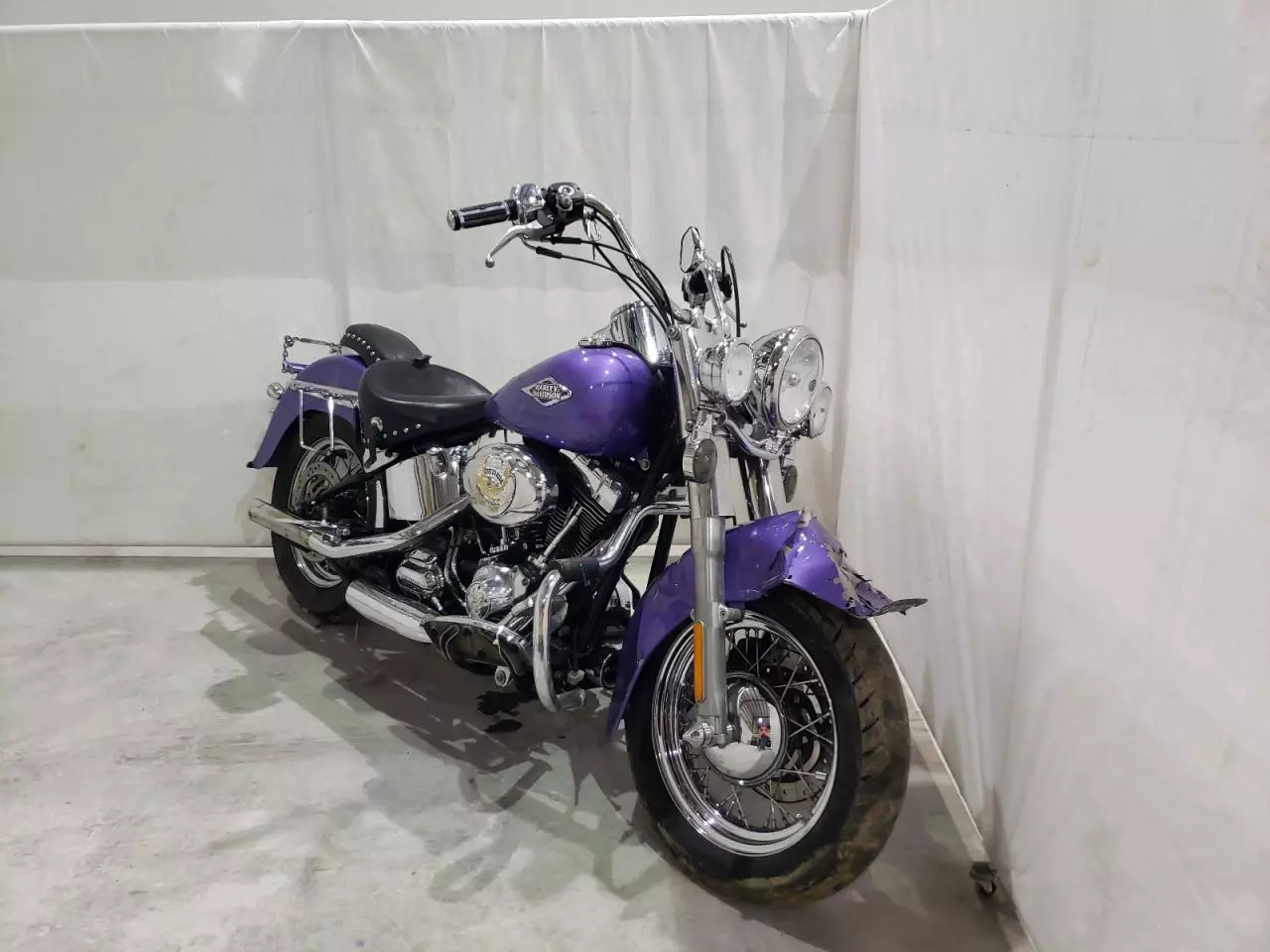
Repo motorcycle auctions give everyday riders and independent mechanics a practical avenue for purchasing two-wheeled vehicles at heavily discounted rates. Financial institutions and credit unions regularly recover these assets following loan defaults, moving quickly to clear inventory through specialized sales. Navigating these liquidation events successfully requires understanding how lender-directed inventories operate, anticipating administrative costs, and evaluating machine conditions carefully before placing any bids.
Understanding Repo Motorcycle Auctions and Lender Motivations
Repo motorcycle auctions exist primarily because banks and credit unions need to liquidate recovered loan collateral as quickly as possible to recoup outstanding balances.
When a borrower stops making monthly loan payments, the lending institution exercises its legal right to repossess the motorcycle. Rather than holding onto these physical assets or trying to retail them individually, lenders partner with liquidation houses and digital bidding platforms. Because financial institutions focus on recovering capital rather than maximizing retail profits, starting bids are often set well below standard market value, creating genuine opportunities for patient buyers.
The Shift to Digital: Online Versus Physical Repo Yards
Most repo motorcycle transactions now take place through specialized digital auction platforms rather than traditional local tow yards.
Major industrial liquidation networks and automotive auction houses host daily digital sales that allow bidders from across the country to participate. While physical bank repo yards still exist in major metropolitan areas, online portals offer a vastly wider selection ranging from sportbikes and cruisers to adventure tourers. This digital shift means you can browse comprehensive photo galleries and maintenance notes from home, though it also removes the chance to check compression or listen to a cold startup in person.
Decoding True Expenses Beyond the Hammer Price
Calculating your maximum financial ceiling requires accounting for mandatory auction surcharges, digital service fees, and transport logistics before bidding begins.
First-time auction participants frequently make the mistake of focusing solely on the winning bid amount. Auction companies routinely add tiered buyer premiums, internet connectivity fees, gate processing charges, and strict storage penalties if a vehicle is left on the lot too long. Furthermore, securing out-of-state transport or local towing adds immediate overhead that must factor directly into your overall budget calculation.
| Expense Category | Typical Fee Structure | Budget Impact |
|---|---|---|
| Buyer’s Premium | Percentage surcharge based on final bid tiers | Adds 5% to 15% to vehicle cost |
| Internet Access Fee | Flat electronic bidding participation charge | Fixed fee per transaction |
| Storage Penalties | Daily fees for failure to pickup within grace period | Accumulates rapidly after 3 days |
| Title Processing | Document handling and lien release paperwork fees | Varies by state and auction house |
Evaluating Machine Condition Through Digital Portals
Inspecting a repossessed motorcycle requires sharp visual analysis of high-definition photos and third-party condition summaries when physical access is restricted.
Carefully examine frame welds, fork tubes, handlebar alignment, and engine casing scratches in the provided image gallery to spot signs of previous accidents or sliding damage. Check the instrument cluster for active warning lights, mileage verification markers, and error codes if the ignition is powered on. When local yard previews are permitted, bringing a portable jump box allows you to check electrical systems, assess tire manufacture dates, and inspect the fuel tank interior for rust or contamination.
Mastering Essential Auction Terminology
Learning standard industry vocabulary ensures you understand bidding restrictions, title statuses, and financial obligations clearly.
The reserve price establishes the confidential minimum threshold required by the lending institution to approve a sale. If bidding fails to cross this amount, the motorcycle remains unsold or subject to seller counteroffers. Understanding whether a title is designated as clean, clear bill of sale, or salvage dictates how straightforward your upcoming state registration and licensing process will be.
Step-by-Step Bidding Strategy for Beginners
Successful repo bidding relies on strict pre-auction research, disciplined maximum spending limits, and an emotion-free approach during live countdowns.
Begin by registering well in advance of the sale date, providing required government identification and refundable security deposits to unlock bidding privileges. Determine your absolute financial ceiling before the auction starts and commit to walking away the moment competing bids surpass that line. Starting with measured incremental bids keeps your emotions in check and prevents impulsive overspending during high-speed competitive bidding wars.
Post-Auction Logistics: Settlement and Legal Titling
Winning a motorcycle lot initiates a strict timeline for completing secure payment, arranging professional transport, and securing state vehicle registration.
Liquidation houses enforce strict financial settlement windows, typically requiring wire transfers or certified cashier funds within 48 hours of sale closure. Once paid in full, coordinate safe trailer transport or professional towing to move the motorcycle, especially if it is a non-running project bike. Take your auction bill of sale, lien release paperwork, and inspection certificates directly to your local Department of Motor Vehicles to complete the title transfer process.
For riders looking to gear up properly after securing a project bike or cruiser, finding the right accessories is essential, much like reading through a comprehensive guide on a guide to the best gifts for motorcycle riders to ensure you have all necessary riding gear and equipment.
Frequently Asked Questions
Are repo motorcycles guaranteed to run?
Auction houses sell all repossessed motorcycles strictly on an as-is, where-is basis without mechanical warranties, meaning some units may require significant engine work or battery replacements.
Can I test ride a motorcycle before placing a bid?
Test rides are strictly prohibited at virtually all repo auctions and storage yards, requiring buyers to rely entirely on visual photos and listed condition reports.
Do all repossessed motorcycles come with clean titles?
While most repo bikes feature clear titles, some listings carry salvage or rebuilt brands if they were previously recovered from insurance total losses prior to loan default.
What payment methods do auction platforms accept?
Final vehicle balances must be paid using guaranteed funds such as bank wire transfers or certified cashier’s checks, as standard personal checks and credit cards are rarely permitted.
What happens if I fail to pick up my motorcycle on time?
Auction yards enforce strict retrieval windows of two to five business days before charging cumulative daily storage fees or relisting the vehicle for abandonment.
Do I need a dealer license to buy a repo bike?
The vast majority of bank-directed repo motorcycle auctions are open to the general public, requiring only a free digital account registration and a valid photo ID.
Disclaimer: Repo auction guidelines, buyer fee schedules, and local titling regulations change frequently. Readers should always verify final purchase terms, vehicle histories, and transport requirements directly with the official auction provider before submitting bids.


