

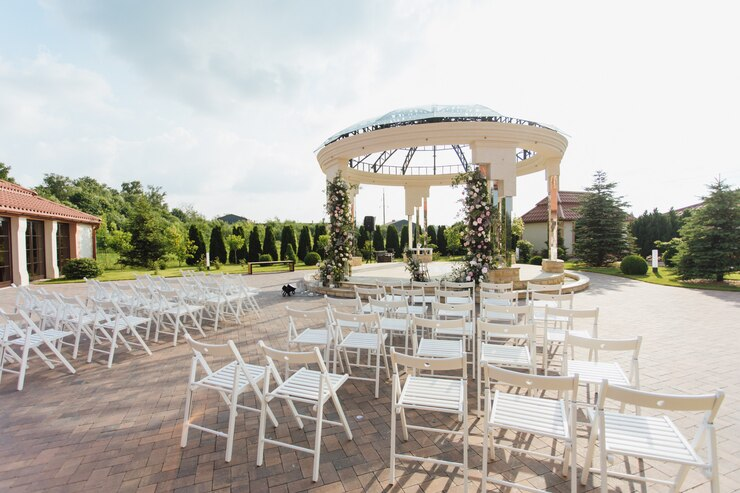
Weddings mark profound life milestones, signaling the official start of a shared future for engaged couples. When future brides and grooms begin the planning process, selecting the right physical location often dictates the entire mood of the celebration. While traditional indoor banquet halls and historic churches hold a classic appeal, open-air wedding venues offer unique advantages that make a marriage ceremony genuinely memorable. This guide examines the distinct benefits of choosing an open-air setting for nuptial celebrations, along with realistic planning insights to help couples navigate logistics and design.
Embracing Natural Backdrops and Organic Elegance for Your Ceremony
Outdoor wedding venues provide a dynamic, living backdrop of natural landscapes that indoor banquet rooms cannot replicate for wedding photography.
Opting for an open-air environment immediately shifts the aesthetic tone away from rigid four-walled spaces and toward organic beauty for matrimonial events. Whether couples exchange vows on a sunlit coastal beach, surrounded by manicured garden flora, or nestled among hillside vineyards, they benefit from scenery that requires minimal supplemental adornment. Natural daylight also provides exceptional photographic quality during late afternoon wedding ceremonies, creating warm and vibrant image tones. Furthermore, couples shaping their overall spatial setup can explore resources like our venue design inspiration guide to discover creative ways to blend natural surroundings with functional wedding layouts.
Spatial Freedom and Guest Circulation Advantages at Receptions
Expansive outdoor wedding locations give wedding attendees the physical freedom to explore grounds, mingle easily, and enjoy fresh air.
Traditional indoor ballrooms often restrict movement, confining wedding guests to tight seating rows or crowded cocktail areas during the evening reception. In contrast, open-air celebration properties feature sprawling lawns, garden pathways, and courtyard spaces that naturally encourage guest movement. This extra square footage prevents crowding and creates a more relaxed, conversational environment where family members and friends can socialize comfortably throughout the afternoon and evening.
Navigating the Financial Realities and Hidden Expenses of Open-Air Sites
Raw outdoor wedding sites often require separate independent rentals for power, water, and sanitation that influence the overall nuptial budget.
While public parks or empty rural fields frequently feature lower initial site rental fees, going completely al fresco does not automatically mean a budget-friendly wedding event. Engaged couples must account for auxiliary operational rentals that traditional indoor facilities usually include in their base packages. For example, outdoor properties often demand independent contracts for heavy-duty marquee wedding tents, auxiliary lighting setups, portable power generators, and luxury mobile restroom trailers.
| Planning Factor | Traditional Indoor Ballroom | Raw Outdoor Property |
|---|---|---|
| Base Site Fee | Generally higher, covers room usage | Typically lower, covers land access only |
| Restroom Access | Built-in indoor plumbing | Requires luxury mobile trailer rentals |
| Electrical Power | Integrated building outlets | Requires generator and distribution drops |
| Floral Requirements | Heavy decor needed to fill space | Relies on natural foliage and scenery |
Logistical Preparation for Terrain and Weather Dynamics in Nuptial Planning
Successful open-air wedding celebrations require proactive planning for microclimate shifts, guest comfort, and ground accessibility.
Weather unpredictability remains one of the primary variables when planning an open-air wedding event. Establishing a reliable backup plan, such as a clear-span tent rental or a designated indoor rain site, ensures that the wedding schedule proceeds without interruption if rain or wind occurs. Seasonal temperatures also require careful management, utilizing portable heaters during chilly autumn nights or shaded lounge areas and cooling fans during summer afternoons. Additionally, natural terrain like grass, gravel, or sand can present walking challenges for elderly wedding attendees or guests wearing formal footwear, making temporary wooden pathways or flat flooring panels a practical necessity.
Integrating Leave-No-Trace and Eco-Friendly Values Into Your Wedding
Natural celebration spaces naturally inspire sustainable wedding choices, from farm-to-table catering to minimal-waste decor.
Hosting a matrimonial gathering surrounded by nature encourages couples to adopt eco-friendly vendor practices and leave-no-trace ethics for their big day. Open-air setups reduce artificial energy consumption by utilizing natural daylight during afternoon hours and minimizing indoor climate control loads. Furthermore, couples frequently partner with regional farmers and local caterers who source seasonal ingredients nearby, successfully lowering the carbon footprint associated with the wedding reception meal.
Frequently Asked Questions
What is the most significant challenge when hosting an open-air wedding?
Weather unpredictability is widely considered the biggest challenge, requiring couples to secure a dependable rain contingency plan or tent rental.
Are open-air weddings universally less expensive than indoor receptions?
Not necessarily, because while base land rental fees can be low, independent expenses for generators, lighting, and portable restrooms often balance out the total budget.
How do caterers manage food preparation without a built-in kitchen?
Professional outdoor catering teams bring their own mobile prep tents, cooking equipment, and refrigeration units to operate self-contained stations on-site.
What footwear guidance should be communicated to wedding guests?
It is helpful to suggest block heels, wedges, or dressy flats on invitations so attendees do not sink into soft turf, soil, or sand.
Do nature-based venues supply handicap-accessible restroom facilities?
Established botanical gardens and vineyards often feature permanent facilities, whereas raw land and public parks require renting ADA-compliant restroom trailers.
How can couples manage guest comfort during peak summer heat?
Providing shaded seating zones, cold hydration stations, hand fans, and commercial outdoor misting fans helps mitigate high daytime temperatures.
Do public open-air wedding sites require official municipal permits?
Yes, public beaches, state parks, and municipal green spaces almost always require special event permits and strict adherence to local sound ordinances.
Disclaimer: Wedding planning details, venue regulations, and rental costs can vary significantly depending on geographic region, seasonal weather trends, and local ordinances. Couples should verify all final contracts, permit requirements, and weather contingency plans directly with their chosen venue operators and official municipal sources before confirming bookings.


