
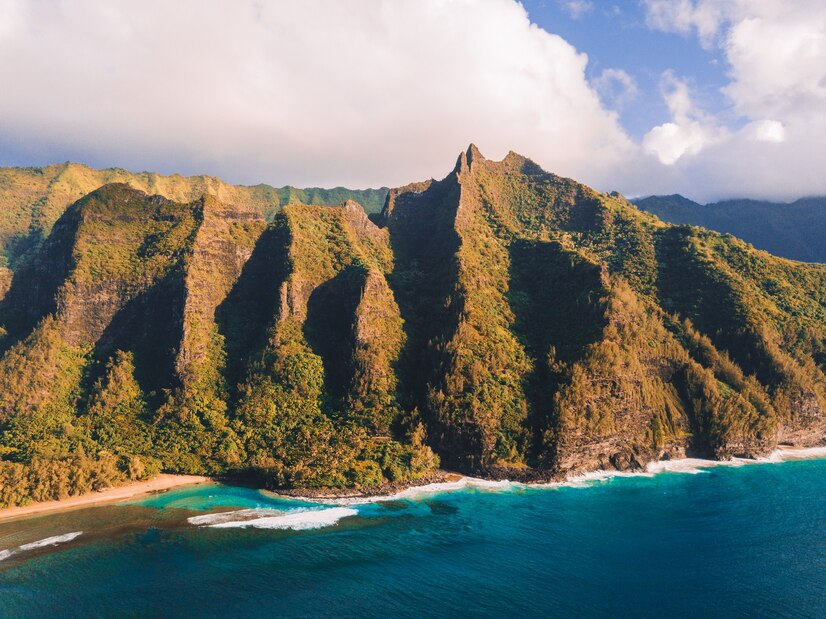
Hawaii is a remarkable destination featuring diverse natural landscapes, rich cultural traditions, and a vibrant history that attracts visitors from around the world. Whether travelers are hiking through lush rainforests, lounging on pristine volcanic beaches, or visiting ancient historical sites, the islands offer an abundance of memorable experiences. To maximize the journey and truly appreciate Hawaii’s breathtaking offerings, considering practical advice and preparation strategies is essential for exploring its iconic landmarks.
Mapping Out the Six Major Accessible Hawaiian Islands
Travelers must understand that Hawaii is an archipelago where tourism is primarily concentrated on six major accessible islands, each offering distinct geographical features and cultural attractions. While Oahu is widely known for its bustling city life and historical sites like Pearl Harbor, Maui offers beautiful beaches and the scenic Road to Hana. On the other hand, the Big Island provides a diverse landscape, including active volcanic parks and dense rainforests. Familiarizing yourself with the highlights of each island helps tailor your itinerary to personal interests rather than attempting to see everything at once.
Moreover, planning inter-island travel requires careful coordination because flights between islands are common and usually take less than an hour. Knowing what must-see landmarks you want to see can guide your decision on whether to visit multiple islands or concentrate on one. Make sure to schedule some time for relaxation, as each island is filled with countless scenic spots and visual treasures that can be easily overlooked in a rushed itinerary.
Securing Mandatory Permit Bookings for Top Attractions
Visitors must secure advance permits and entry slots weeks ahead because major Hawaiian landmarks heavily rely on mandatory reservation systems to control crowds. Sites such as the Diamond Head State Monument parking and entry, Haena State Park and the Kalalau Trail on Kauai, and Haleakalā National Park sunrise viewings all enforce strict booking rules. Ignoring these requirements often results in denied access upon arrival, disrupting travel plans significantly.
Planning ahead means checking official state and national park websites well before departure dates to understand release windows for tickets. Securing these spots early ensures smooth entry to top-tier attractions and reduces unnecessary vacation stress. For broader guidance on staying safe and prepared in unfamiliar outdoor environments, travelers can review expert advice on personal safety before embarking on remote excursions.
Honoring Indigenous Heritage and Fragile Island Ecosystems
Visitors must respect the fragile local ecosystems and sacred cultural history by practicing responsible tourism throughout the Hawaiian islands. Hawaii is home to deep-rooted traditions that can be observed in its hula arts, music, and community festivals, which deserve respectful appreciation. Engaging with local customs provides a much deeper insight into daily island life without intruding upon sacred spaces.
Additionally, protecting the natural environment is crucial for conservation efforts. Travelers should always pick up their trash and stay strictly on designated hiking trails to prevent soil erosion and habitat destruction. Many landmarks, including ancient heiau temples and petroglyphs, require a strict hands-off approach to preserve their historical integrity for future generations.
Scheduling Peak Vistas During Quiet Morning Hours
Visitors can experience major attractions peacefully by scheduling visits during off-peak hours and shoulder seasons. The best months to visit Hawaii typically fall between April and June or September and December, offering mild weather and slightly fewer crowds than peak summer and holiday periods. Avoiding busy weekends at high-traffic destinations helps steer clear of excessive foot traffic and parking shortages.
Early morning arrivals are particularly effective for iconic natural viewpoints. Whether witnessing the sunrise at Haleakalā National Park or taking in the panoramic vista from Diamond Head, these locations are best enjoyed in the quiet hours of early morning. Planning around peak tour bus schedules ensures a much more serene and enjoyable sightseeing experience.
Discovering Secluded Valleys Across the Archipelago
Travelers can discover unique cultural depth by exploring quieter regions and lesser-known scenic areas across the islands. For instance, the more secluded shores of Molokai or the tranquil valleys of Kauai offer extraordinary natural beauty without the heavy crowds found at mainstream resort hubs. Exploring areas off the typical tourist track imbues any journey with a genuine sense of discovery.
Furthermore, engaging with local eco-friendly tours enhances your understanding of the land and its historical significance. Local guides share stories, ecological insights, and historical contexts that standard guidebooks frequently miss. This holistic approach connects visitors far more deeply with the authentic Hawaiian experience.
| Island | Key Attraction | Primary Feature |
|---|---|---|
| Oahu | Pearl Harbor & Diamond Head | History, city culture, and volcanic craters |
| Maui | Road to Hana & Haleakalā | Coastal waterfalls and sunrise views |
| Hawaii Island | Volcanoes National Park | Active volcanic landscapes and rainforests |
| Kauai | Na Pali Coast & Waimea Canyon | Dramatic sea cliffs and deep canyons |
Savoring Traditional Island Flavors and Local Eats
Visitors can fully immerse themselves in island culture by exploring the diverse food scene influenced by Polynesian, Asian, and American culinary traditions. Local staples like fresh poke, hearty loco moco, and traditional shave ice reflect the multicultural heritage of the islands. Each dish tells a distinct story rooted in local agriculture and coastal resources.
Seeking out community farmers markets and family-owned food trucks allows travelers to enjoy fresh, locally sourced ingredients. This practice supports small business owners while introducing visitors to genuine island flavors. Appreciating local gastronomy is an essential element of understanding modern Hawaiian culture.
Adapting to Windward Slopes and Leeward Microclimates
Travelers should pack versatile clothing to handle sudden shifts in weather caused by distinct island microclimates. The climate on the leeward side of an island tends to be dry and warm, while the windward side frequently experiences rainfall and cooler temperatures. Equipping yourself with layers and a lightweight rain jacket ensures comfort during unexpected downpours.
Furthermore, visitors must monitor local weather alerts for flash floods and high surf advisories that frequently impact coastal areas and waterfall trails. Protecting your skin with reef-safe sunscreen and staying hydrated during outdoor excursions helps maintain safety. Proper preparation ensures that everyone enjoys a safe, comfortable, and memorable trip to Hawaii.
Traveling to Hawaii offers a transformative experience filled with breathtaking sights, rich traditions, and diverse outdoor activities. By understanding island geography, booking advance permits, respecting local culture, and preparing for variable weather, visitors can make the most of their journey.
Frequently Asked Questions
What are the main accessible islands for tourists in Hawaii?
Tourism is primarily concentrated on six major accessible islands: Oahu, Maui, Hawaii Island (the Big Island), Kauai, Molokai, and Lanai.
Do I need advance reservations for popular Hawaiian landmarks?
Yes, major attractions like Diamond Head State Monument, Haena State Park, and Haleakalā National Park sunrise viewings require mandatory advance bookings.
What are the best months to visit Hawaii for fewer crowds?
The periods between April and June and September to December generally offer milder weather and fewer crowds compared to summer and major holidays.
How should I prepare for Hawaii’s weather variations?
Pack layers and a lightweight rain jacket because weather conditions differ dramatically between the dry leeward sides and wet windward slopes.
What local foods should every traveler try in Hawaii?
Popular local staples include fresh poke bowls, loco moco, and traditional shave ice found at local markets and food trucks.
Why is it important to stay on designated hiking trails in Hawaii?
Staying on marked paths prevents soil erosion, protects fragile native plant species, and respects sacred cultural sites.
Disclaimer: Travel regulations, reservation systems, and local guidelines in Hawaii can change periodically. Visitors should always verify final operational rules and permit requirements through official state and national park websites before finalizing travel plans.

Daniel J. Morgan is the founder of Invidiata Magazine, a premier publication showcasing luxury living, arts, and culture. With a passion for excellence, Daniel has established the magazine as a beacon of sophistication and refinement, captivating discerning audiences worldwide.


[…] interested in expanding their seasonal planning knowledge, exploring related guides such as essential advice for scenic tourist destinations can also offer useful perspectives on managing peak-season crowds and sightseeing […]
[…] next great escape across public lands, you might also find inspiration by reviewing our guide on essential advice for scenic tourist destinations to prepare for other iconic American […]