

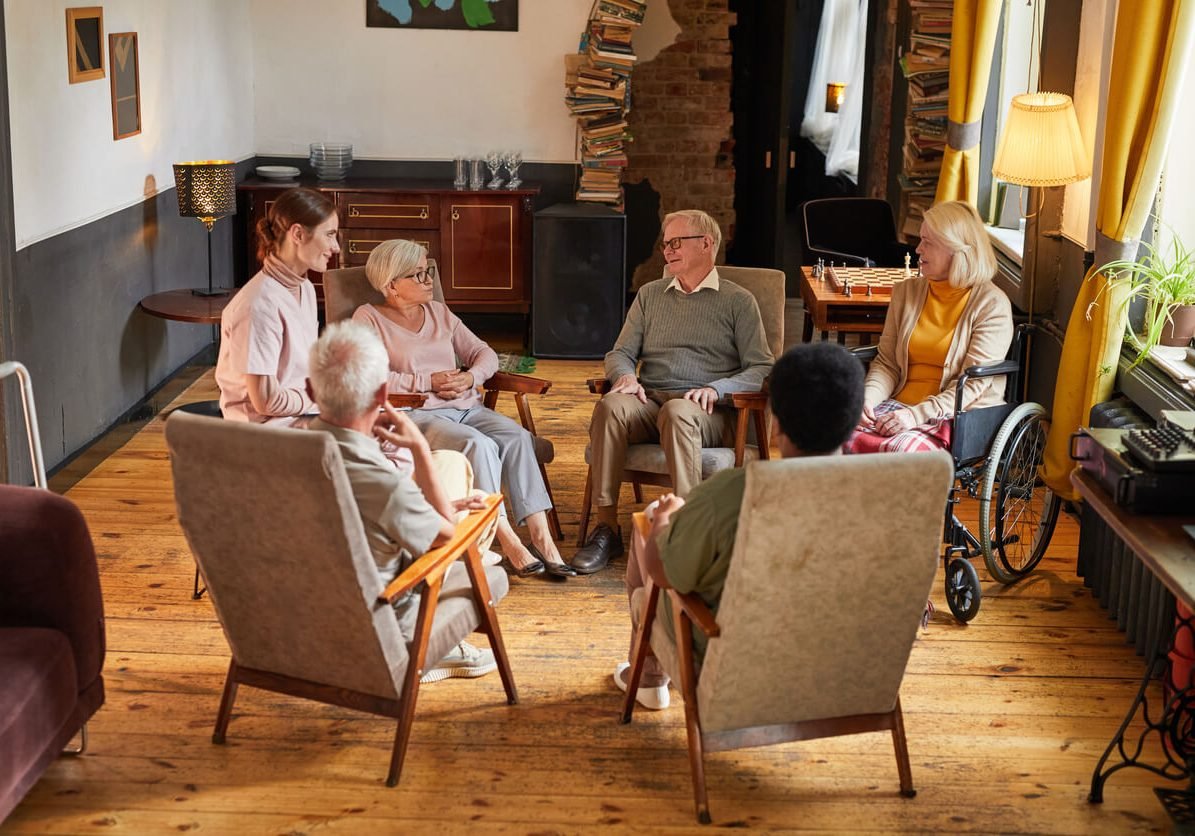
Cognitive Stimulation Therapy stands as a recognized clinical standard designed to support older adults experiencing mild to moderate memory loss. Developed in the early 2000s, this structured non-pharmacological approach has transitioned from an experimental project into an internationally recommended clinical guideline. By engaging participants in regular, theme-based group discussions and practical tasks, Cognitive Stimulation Therapy maintains mental functioning and encourages active social connection without relying solely on medication.
Understanding the Core Foundations of Non-Pharmacological Dementia Support
Non-pharmacological dementia support focuses on psychosocial interventions that actively engage the mind and preserve personal identity. Cognitive Stimulation Therapy anchors this category by offering structured mental engagement within a warm, non-clinical environment that prioritizes enjoyment over testing. Participants gather in small cohorts to explore familiar topics, exercise problem-solving skills, and share life experiences under the guidance of trained facilitators. Rather than drilling patients on rote facts, the approach uses implicit learning, optimal stimulation, and social reinforcement to spark curiosity and keep neurological pathways active in a relaxed setting.
How Structured Group Activities Drive Mental and Emotional Wellness
Structured group activities drive mental and emotional wellness by providing consistent intellectual stimulation and meaningful peer interaction. Regular participation in these sessions helps individuals retain verbal fluency, concentration, and memory span far longer than they might in isolation. Moreover, sharing accomplishments during creative tasks and word association games boosts self-esteem and directly combats the depressive symptoms frequently accompanying cognitive decline. Group members build a sense of camaraderie that reduces social withdrawal and gives participants something positive to look forward to each week.
Relieving Family Caregiver Stress Through Programmed Respite
Programmed respite significantly eases family caregiver stress by offering reliable routine breaks from round-the-clock supervision demands. When loved ones attend regular therapy sessions, family members gain essential free time to rest, handle personal errands, or manage household duties. This scheduled relief improves the overall emotional climate at home and protects caregivers from chronic burnout. Families seeking additional guidance often look into managing senior care routines to balance daily responsibilities effectively and maintain long-term well-being.
A Closer Look at Typical Weekly Session Frameworks
Typical weekly session frameworks involve fourteen theme-based meetings held twice a week, with each gathering lasting roughly forty-five minutes. Facilitators select topics such as childhood memories, current events, food, or music to spark conversation and opinion-sharing among participants. The atmosphere remains conversational and supportive, avoiding any testing pressure to ensure every attendee feels comfortable contributing at their own pace.
| Operational Parameter | Clinical Standard |
|---|---|
| Program Length | 14 structured sessions over 7 weeks |
| Weekly Frequency | Two meetings per week |
| Session Duration | Approximately 45 minutes per meeting |
| Ideal Group Size | 4 to 8 participants per facilitator |
Adapting One-on-One Care Models and Telehealth Delivery
One-on-one care models and telehealth delivery methods expand access for individuals who live alone or cannot travel to group venues. Individualised Cognitive Stimulation Therapy, known as iCST, allows family members or home care workers to deliver structured activities at home using standardized manuals. Furthermore, virtual meeting software allows health professionals to run remote sessions for participants facing mobility limitations or geographic isolation. These adaptable formats ensure that the core principles of cognitive engagement remain available even when traditional group attendance is impractical.
Clinical Evidence and Comparative Treatment Outcomes
Clinical trials demonstrate that Cognitive Stimulation Therapy produces measurable cognitive gains comparable to the effects seen with standard anti-dementia medications. Health authorities emphasize that incorporating these psychosocial methods into post-diagnostic pathways leads to better overall life satisfaction scores. Research consistently highlights that participants not only maintain cognitive test scores longer but also report feeling more socially connected and valued by their communities. These documented benefits reinforce why global health guidelines increasingly position structured mental stimulation as an essential component of comprehensive dementia care plans.
Frequently Asked Questions
Which dementia stages benefit most from Cognitive Stimulation Therapy?
This therapy is primarily tailored for individuals diagnosed with mild to moderate dementia who can still follow group conversations and express their thoughts.
How many sessions are included in a standard program course?
A standard course consists of fourteen sessions held twice weekly over a seven-week period, often followed by monthly maintenance sessions.
Can family caregivers run these sessions at home?
Yes, individualized versions of the therapy provide structured manuals enabling family members to conduct one-on-one sessions safely at home.
Does this therapy replace prescribed medications?
No, Cognitive Stimulation Therapy is intended to complement pharmacological treatments rather than substitute for prescribed anti-dementia drugs.
What types of activities happen during a meeting?
Meetings feature welcoming icebreakers, discussions around food, music, or history, word games, and a warm closing routine.
Are professional facilitators mandatory for every group?
Sessions are typically led by trained healthcare staff or care workers who understand specialized dementia communication techniques.
Disclaimer
This article is for informational purposes only and does not constitute medical advice or a formal treatment plan for dementia. Always consult qualified healthcare professionals, neurologists, or geriatric specialists to determine the most appropriate care interventions for individual needs.


