

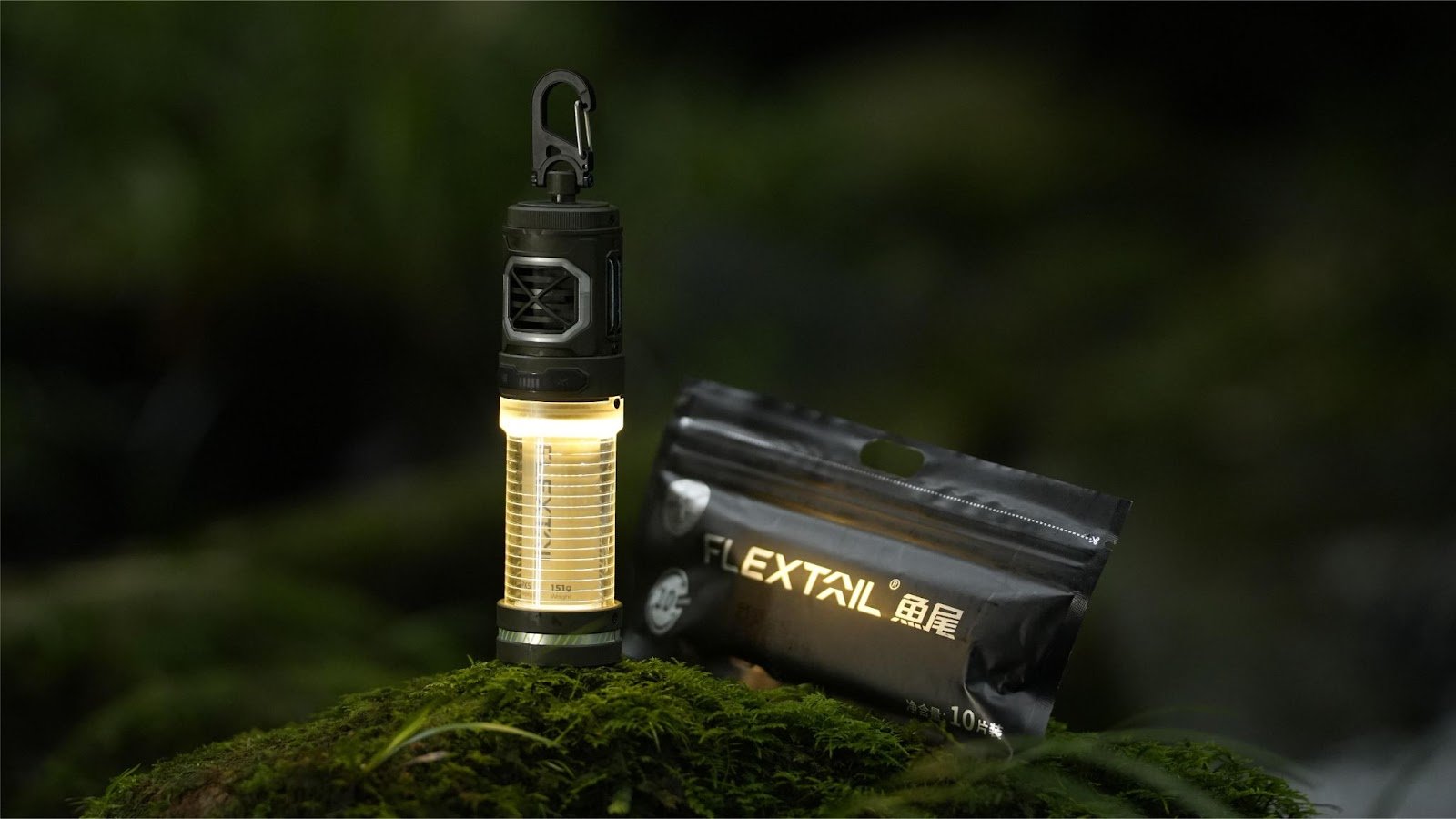
Outdoor mosquito repellent devices are essential during every camping exercise because mosquitoes are very cunning insects that can cause disappointment to several people on the same camping trip by transmitting uncomfortable irritations and diseases. As much as one would love to embrace nature, pests remain an unavoidable part of the wilderness, and managing them effectively determines whether an excursion remains enjoyable or turns miserable. In this comprehensive guide, you will explore why reliable protection is mandatory when heading into the backcountry, how different repellent technologies compare, and what strategies keep your campsite bite-free.
Defending Your Camp Against Disease-Carrying Insects
Defending your camp against disease-carrying insects requires taking proactive precautions before setting up your tent in remote wooded areas or near stagnant water bodies.
When venturing deep into the wilderness, outdoor enthusiasts frequently expose themselves to flying pests that act as biological vectors for severe medical conditions such as malaria, dengue fever, the Zika virus, and West Nile virus. Contracting these illnesses far away from modern medical facilities can instantly derail a recreational getaway into an urgent health crisis. Deploying potent outdoor mosquito repellents breaks the transmission cycle completely, ensuring that you and your camping companions remain safeguarded against dangerous systemic infections.
Beyond major viral pathogens, standard mosquito bites trigger painful local inflammation, severe itching, and uncomfortable allergic reactions that can ruin a holiday. Scratching these irritated bumps often leads to secondary bacterial skin infections which demand professional medical care while you are miles away from civilization. Maintaining a reliable physical and chemical barrier keeps your skin intact so you can focus entirely on enjoying your time under the open sky.
Preserving Evening Campfire Comfort and Restful Sleep
Preserving evening campfire comfort and restful sleep depends entirely on keeping persistent nighttime biters away from your primary gathering spots.
Mosquitoes reach their peak activity levels during the cooler hours of dawn and dusk, which conveniently align with favorite camp traditions like cooking over a camp stove or sharing stories around the fire ring. Without proper protection, campers spend their entire evening swatting at pests instead of relaxing with friends and enjoying outdoor meals. Setting up an effective defense perimeter restores peace and tranquility to your social spaces.
Furthermore, restorative rest is mandatory when spending multiple days outdoors, but a buzzing tent can completely destroy your sleep quality. Mosquitoes remain active during damp nighttime hours, causing constant waking disruptions and leaving travelers exhausted the following morning. Applying dependable protection before turning in for the night guarantees uninterrupted sleep throughout your backcountry stay.
Choosing Between Topical Sprays and Area-Repellent Gear
Choosing between topical sprays and area-repellent gear helps campers tailor their defensive strategy to match specific wilderness environments.
Topical skin applications rely on proven EPA-registered active compounds like DEET, Picaridin, and Oil of Lemon Eucalyptus to confuse insect sensory receptors and block your body scent. In contrast, portable area-repellent equipment utilizes heat-activated diffusers or vapor mats to clear pests from a localized zone around your picnic table or sleeping quarters. Understanding how these chemical sprays differ from area-protection systems allows backpackers and car campers alike to stay fully protected.
| Repellent Category | Primary Active Compounds | Typical Protection Length | Ideal Wilderness Setting |
|---|---|---|---|
| Synthetic Skin Sprays | DEET, Picaridin | 4 to 8+ hours | Backcountry hiking and dense brush |
| Plant-Based Oils | Citronella, Neem, Eucalyptus | 1 to 3 hours | Day camping and mild backyard settings |
| Portable Area Diffusers | Allethrin vapor mats | Up to 12 hours total | Static basecamps and picnic tables |
Contrasting Natural Botanicals With Synthetic Formulas
Contrasting natural botanicals with synthetic formulas highlights important trade-offs concerning evaporation speeds, reapplication routines, and overall durability.
Natural plant extracts such as citronella, neem oil, and pyrethrum appeal greatly to campers seeking organic ingredients and gentler skin contact. However, these botanical solutions evaporate much faster than synthetic alternatives, demanding frequent reapplication during periods of high humidity or heavy physical exertion. Synthetic options like DEET or Picaridin offer extended hours of defense, making them the preferred choice for rugged backcountry expeditions where carrying extra bottles adds unwanted weight.
Executing Smart Application and Gear Pre-Treatments
Executing smart application and gear pre-treatments ensures your defensive layers perform consistently under harsh weather conditions.
Apply liquid skin formulas evenly across all exposed areas while taking care to avoid sensitive mucous membranes around the eyes and mouth. Pay special attention to high-pulse zones where blood vessels run close to the skin surface, including the wrists, ankles, and neck. Strenuous hiking and swimming wash away topical protection rapidly, necessitating scheduled reapplication to prevent sudden vulnerability. Additionally, treating tents, outer garments, and mesh screens with permethrin prior to departure provides an extra shield that stops insects from landing on fabrics.
Minimizing Environmental Impact and Protecting Sensitive Group Members
Minimizing environmental impact and protecting sensitive group members requires thoughtful product selection to prevent chemical runoff and skin irritation.
Campers often worry about chemical residue entering pristine streams and harming aquatic life near their campsites. Selecting biodegradable formulas or washing up away from natural water sources helps preserve delicate wilderness habitats while keeping pests at bay. Furthermore, families traveling with young children, pets, or individuals with delicate skin must utilize hypoallergenic products designed specifically for sensitive demographics. For guidance on organizing your wider recreational gear setup, see our guide on how to select the right outdoor furniture for your poolside area.
Summary of Wilderness Insect Protection Strategies
Proper preparation and the strategic use of outdoor mosquito repellents remain non-negotiable elements of every successful camping trip. By understanding the health risks associated with insect bites, evaluating natural versus synthetic options, and applying your chosen products correctly, you can safeguard your comfort and health in the wilderness. Thoughtful planning ensures you spend your time enjoying nature rather than battling pests.
Frequently Asked Questions
Do natural mosquito repellents work as well as DEET?
Natural repellents provide short-term protection, but they generally evaporate faster than synthetic options like DEET and require much more frequent reapplication.
Can I apply mosquito repellent over sunscreen?
Yes, apply your sunscreen first, let it absorb completely into your skin for about twenty minutes, and then apply your mosquito repellent over top.
How does sweat affect my mosquito repellent?
Heavy sweating dilutes and washes away topical repellents quickly, meaning you will need to reapply more frequently during strenuous physical activity.
Are area-repellent devices safe to use around food?
Most portable area-repellent devices use heat-activated mats that emit a gentle vapor designed for open-air spaces, but you should avoid placing them directly inside food containers.
What parts of the body do mosquitoes target most?
Mosquitoes are heavily attracted to areas with thinner skin and prominent blood flow, such as the ankles, wrists, elbows, and neck.
Do ultrasonic smartphone apps repel mosquitoes?
Scientific studies show that high-frequency sound apps and ultrasonic gadgets do not effectively repel mosquitoes in real-world outdoor settings.
How should I store insect repellent while camping?
Store your repellents in a cool, dry place away from direct sunlight and camp stoves to maintain their chemical stability throughout your trip.
Disclaimer: The information provided in this guide is for general informational purposes only. Insect repellent efficacy, safety guidelines, and active ingredient regulations can change, so always verify product labels and official health advisories before your trip.


