

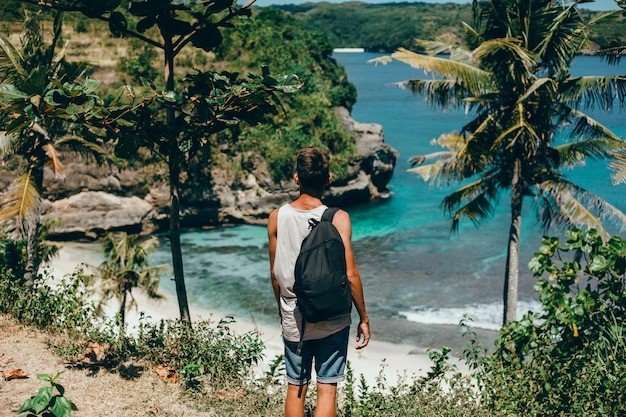
Puerto Rico is a vibrant Caribbean island rich in culture, history, and natural beauty. While it remains a popular travel destination, it is also a place where supporting local initiatives can have a meaningful and lasting impact on the community. Responsible tourism on the island goes beyond simply packing light or avoiding large resorts; it requires intentional choices that uplift residents, protect fragile ecosystems, and preserve centuries-old traditions. Travelers looking to ensure their Puerto Rico tours are both enjoyable and beneficial can follow practical guidelines that keep money within the local economy and respect the island’s unique social fabric.
Prioritize Locally Owned Stays Over Corporate Properties
Choosing family-run guesthouses, bed and breakfasts, and small boutique hotels over large international hotel chains is one of the easiest ways to support the local economy directly. These independent properties ensure that every dollar spent on lodging stays within the community rather than flowing to corporate headquarters abroad. While platforms like Airbnb offer listings from local hosts, travelers should also remain mindful of neighborhood housing dynamics and select hosts who are genuine residents rather than absentee investors. Staying in locally owned accommodations provides an authentic experience accompanied by personal recommendations, direct cultural exchange, and insider tips that corporate chains simply cannot replicate.
Eat and Drink at Certified Local Spots and Small Farms
Puerto Rican cuisine features a delightful blend of Spanish, African, and indigenous Taíno influences that shine brightest in independent eateries. Travelers can skip international fast-food chains and opt instead for family-owned restaurants and roadside kiosks. Look for establishments certified as mesones gastronómicos, which are recognized by the Puerto Rican Tourism Company for their culinary quality and cultural authenticity. Sampling traditional dishes such as mofongo, tostones, and lechón asado directly supports small-scale business owners, local fishermen, and independent agricultural producers across the island.
Navigate the Island Using Local Transit and Community Guides
Renting a car from a major international agency is common, but exploring transportation alternatives can significantly reduce your carbon footprint and support local operators. Municipal buses and públicos, which are shared vans or minibuses that connect different towns, provide an authentic way to navigate regional routes while interacting with residents. For specialized excursions, hiring community-led tour operators ensures that expert local guides retain fair compensation for sharing their knowledge of the island’s geography, history, and hidden natural wonders.
Shop for Authentic Crafts Directly From Puerto Rican Artisans
Souvenirs serve as wonderful mementos, but buying them can also act as a direct channel for supporting traditional craftspeople and preserving indigenous art forms. Puerto Rico has a rich history of handcrafts, ranging from carved wooden santos figures to colorful, papier-mâché vejigante masks. Visiting vibrant community marketplaces like the Mercado de Santurce in San Juan or the Plaza del Mercado in Ponce allows visitors to meet artists face-to-face. Purchasing handmade goods directly from these creators guarantees that fair wages support their craft and keep cultural heritage alive for future generations.
Give Back Responsibly Through Established Island Nonprofits
Visitors who want to contribute active labor can dedicate a portion of their itinerary to volunteering with reputable, local grassroots organizations. Environmental groups such as Para la Naturaleza offer structured opportunities for travelers to participate in ecological restoration, tree planting, and coastal conservation projects. Other community-based initiatives welcome assistance with educational programs, hurricane recovery support, and local food security projects. Ensuring that volunteer efforts are coordinated through established local nonprofits prevents well-intentioned tourism from burdening community resources.
Respect Fragile Ecosystems and Neighborhood Boundaries
Responsible travel in Puerto Rico requires a conscientious approach to natural resource conservation and community daily life. Coral reefs and marine life face severe threats from chemical sunscreens, making the use of mineral, reef-safe lotions an essential daily habit. Travelers should also heed local water conservation notices during drier seasonal periods and practice extreme care in delicate habitats like bioluminescent bays. Furthermore, practicing mindful tourism means respecting residential neighborhoods, keeping noise levels moderate in historic towns, and remembering that popular travel destinations are also permanent homes for local families.
Frequently Asked Questions
What are mesones gastronómicos in Puerto Rico?
Mesones gastronómicos are restaurants officially certified by the Puerto Rican Tourism Company for offering high-quality, authentic local cuisine and traditional hospitality.
How do públicos work for island transportation?
Públicos are shared minibuses or vans operated by local drivers that transport passengers between various towns and cities across the island, serving as a traditional public transit option.
Where can travelers buy authentic local crafts in San Juan?
Travelers can visit traditional public markets like the Mercado de Santurce to find handmade artwork, crafts, and goods created by local artisans.
What is Para la Naturaleza?
Para la Naturaleza is a prominent local conservation organization in Puerto Rico that manages natural reserves and offers structured volunteer opportunities for residents and visitors.
Why is it important to choose reef-safe sunscreen in Puerto Rico?
Traditional chemical sunscreens contain ingredients that can bleach and damage delicate coral reefs, whereas mineral sunscreens help protect the island’s marine ecosystems.
How can visitors ensure their lodging supports the local community?
Travelers can book family-run guesthouses, small boutique hotels, or rooms hosted by permanent residents rather than staying at large international resort chains.
For more ideas on hosting celebrations after your travels, you can explore practical advice for hosting outdoor events in your local community.
Disclaimer: Travel guidelines, local business details, and environmental regulations in Puerto Rico are subject to change. Travelers should verify final schedules, official conservation advisories, and venue details directly from official local sources before planning activities.

Daniel J. Morgan is the founder of Invidiata Magazine, a premier publication showcasing luxury living, arts, and culture. With a passion for excellence, Daniel has established the magazine as a beacon of sophistication and refinement, captivating discerning audiences worldwide.


