

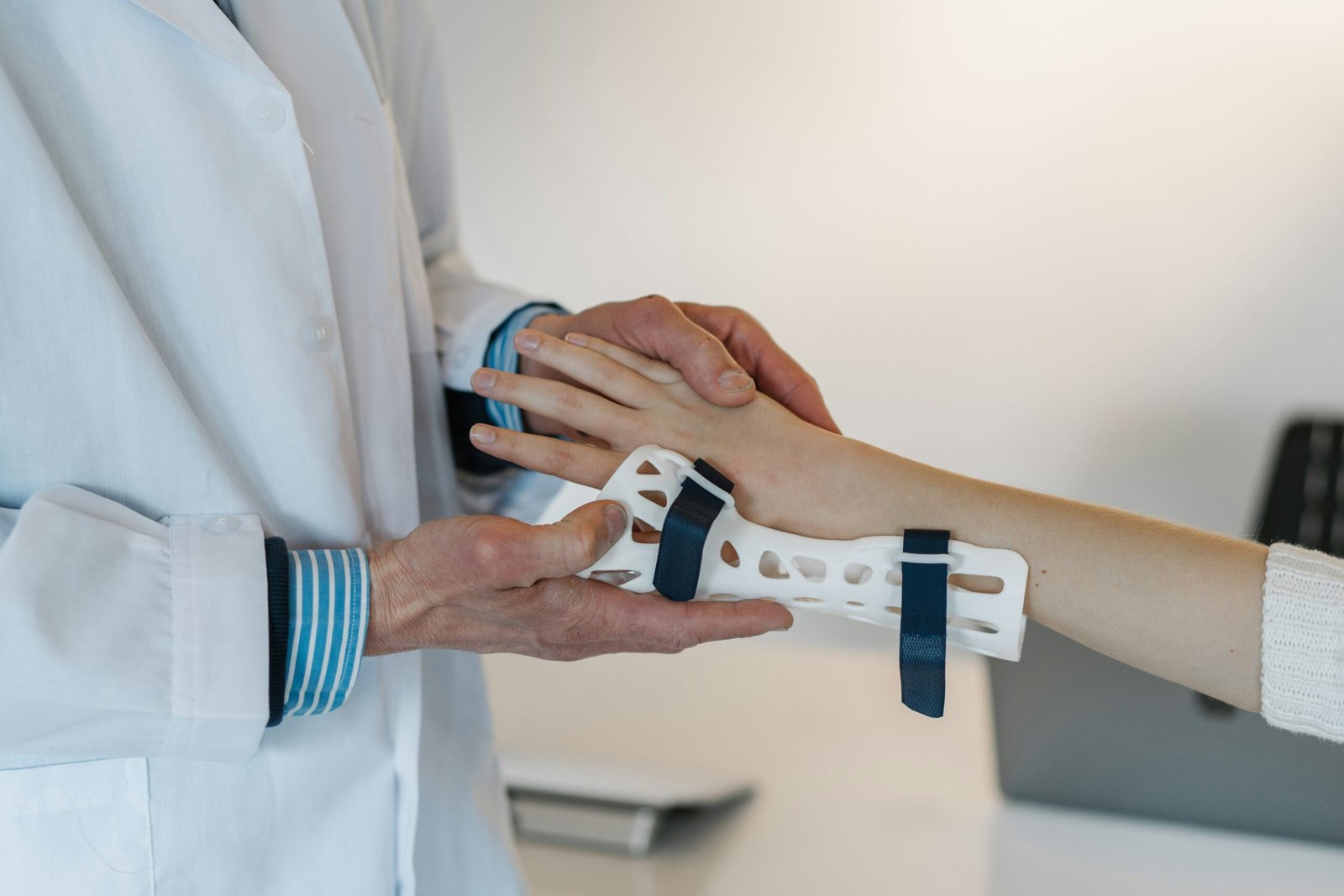
Patient safety events are unexpected incidents occurring during medical care that result in actual harm or carry the potential for injury. These occurrences span minor administrative lapses, near-misses, and severe adverse clinical outcomes. Analyzing these incidents gives hospital administrators and clinical teams the insights needed to redesign unsafe workflows and protect patients.
How Adverse Medical Incidents Define Clinical Standards
Patient safety events serve as direct measurements of how effectively a medical facility safeguards individuals from accidental harm.
When healthcare institutions track these clinical mishaps systematically, leadership teams obtain an accurate assessment of operational reliability. High clinical standards involve much more than successful surgical procedures or precise diagnostic imaging; they require an environment where medical errors are intercepted before impacting the patient. Reviewing unexpected complications allows healthcare providers to move beyond reactive treatment toward proactive harm prevention across every hospital department.
Fostering Institutional Transparency and Team Accountability
Patient safety events act as vital catalysts that elevate staff awareness and reinforce shared team responsibility.
Every single incident prompts doctors, nurses, and technicians to evaluate their daily duties and acknowledge the direct consequences of their clinical decisions. Leading hospitals routinely conduct structured multidisciplinary debriefings immediately following an unexpected occurrence. During these sessions, clinical staff discuss the exact sequence of events and brainstorm preventive safeguards. This transparent approach replaces a punitive blame culture with shared accountability, encouraging healthcare workers to report potential risks early.
Uncovering Systemic Gaps Through Root-Cause Analysis
Patient safety events provide medical institutions with an operational framework to investigate underlying flaws and upgrade existing care protocols.
When an unexpected medical error unfolds, a formal investigation seeks to isolate contributing factors such as fragmented shift handoffs, inadequate staff training, or missing equipment. Uncovering these systemic gaps empowers hospitals to redesign daily clinical workflows. For instance, addressing a severe medication administration mistake might involve implementing automated electronic prescribing verifications or introducing mandatory double-check sign-offs for high-alert drugs.
Addressing the Psychological Toll on Healthcare Providers
Patient safety events create heavy emotional burdens for medical personnel, making clinician psychological well-being a cornerstone of sustained quality care.
When a severe adverse event occurs, the involved practitioners frequently experience acute distress, professional guilt, and anxiety, a well-documented phenomenon known in medicine as the second victim experience. If medical centers fail to offer structured emotional support and peer counseling following an incident, exhausted clinicians may suffer from severe burnout or reduced focus. Implementing robust peer support networks helps restore workforce morale and safeguards long-term patient care quality.
Leveraging Digital Analytics to Prevent Recurring Harm
Patient safety events generate rich streams of operational data that hospitals utilize to drive predictive resource allocation and preventative interventions.
Contemporary medical facilities rely heavily on integrated electronic health record analytics, automated incident reporting portals, and digital tracking applications to monitor emerging patterns. When quality officers examine aggregated incident logs, they can identify cluster trends across specific patient units. For example, if digital tracking exposes a cluster of accidental patient slips in an orthopedic recovery ward, the facility can immediately deploy targeted solutions such as non-skid flooring, enhanced mobility scoring, and specialized nursing education.
Maintaining a secure and protected physical environment extends far past hospital walls; just as clinical teams monitor facility risks to safeguard vulnerable patients, families managing independent living arrangements must also monitor home conditions carefully, such as when regulating household atmospheric moisture levels to prevent respiratory complications.
Meeting National Oversight and Accreditation Benchmarks
Patient safety events heavily dictate an organization’s legal standing and adherence to rigorous national accreditation guidelines.
Prominent regulatory authorities, including The Joint Commission and the Centers for Medicare & Medicaid Services, closely evaluate adverse event metrics alongside National Patient Safety Goals. A high frequency of unmanaged safety incidents can jeopardize a hospital’s accredited status, resulting in severe financial penalties, intense regulatory supervision, and eroded public confidence. Proactively managing medical errors ensures that healthcare organizations satisfy legal mandates while delivering reliable patient services.
Conclusion
Patient safety events function as essential educational catalysts that directly define modern healthcare quality standards. By treating every unexpected clinical incident as an opportunity for continuous institutional growth, medical providers can foster a culture of openness, support their workforce, and elevate overall patient safety.
Frequently Asked Questions
What qualifies as a patient safety event?
A patient safety event is any unintended or unexpected occurrence that could have caused harm or did cause harm to a person receiving medical care.
How do hospitals investigate unexpected medical errors?
Hospitals typically utilize root-cause analysis methods to trace the exact sequence of events, interview staff, and uncover systemic vulnerabilities.
What does a Just Culture mean in clinical settings?
A Just Culture is an institutional environment where medical staff feel secure reporting mistakes and near-misses without facing unfair punishment, while still maintaining accountability for reckless behavior.
How do electronic health records assist in error prevention?
Electronic health records feature integrated safety alerts, computerized physician order entry verifications, and clinical decision support tools that catch potential drug interactions or dosage conflicts.
Why are multidisciplinary debriefings vital after an incident?
Multidisciplinary debriefings bring together nurses, physicians, and administrative staff to review a clinical incident from diverse perspectives and establish effective corrective measures.
How do accreditation bodies utilize incident data?
Regulatory authorities and accreditation agencies examine safety event logs to verify that hospitals adhere strictly to national clinical benchmarks and safety regulations.
Disclaimer: The information provided in this article is intended for educational purposes only. Healthcare regulations and institutional safety policies evolve over time, and readers should consult official clinical authorities for specific guidance.


