
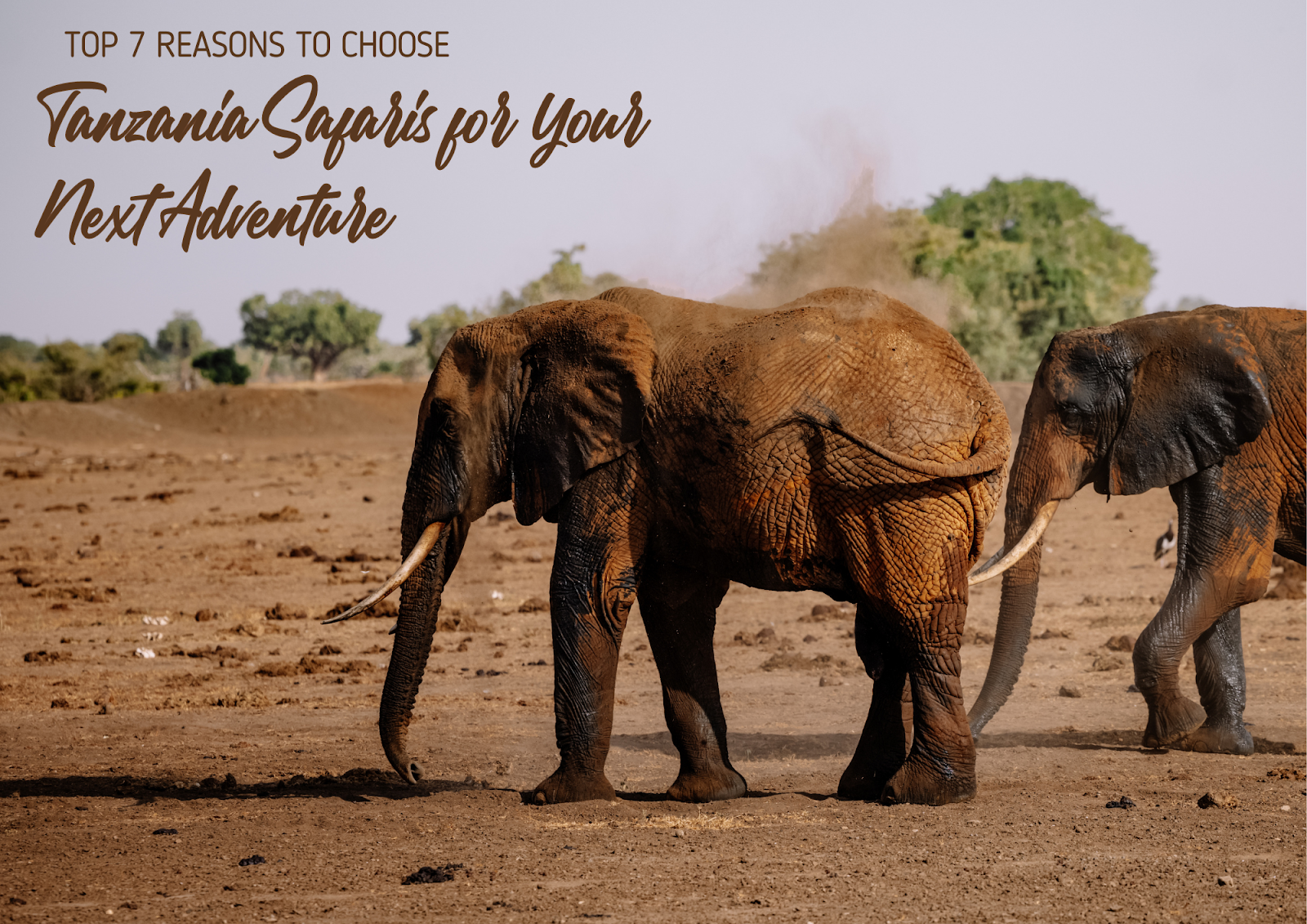
Planning an extraordinary wildlife journey requires selecting a destination that pairs massive animal populations with striking physical geography and robust conservation standards. Tanzania remains a world-renowned destination for African safaris because its protected parks shelter incredible biological diversity across distinct ecosystems. Travelers seeking an authentic connection with nature find that Tanzanian reserves deliver an unmatched variety of experiences tailored to both first-time visitors and veteran explorers.
1. Massive Mammal Populations Across Serengeti and Tarangire Ecosystems
Tanzania protects immense concentrations of large mammals within its designated national parks and game reserves.
As a globally recognized biodiversity hub, the country harbors a significant portion of East Africa’s large wildlife species inside well-managed boundaries. Visitors taking part in guided game drives frequently encounter the famous African big five roaming freely across open savannas and acacia woodlands. Beyond these headline animals, the intricate balance of local habitats supports thousands of documented organisms, ensuring that every excursion yields distinct and memorable observations.
2. Year-Round Tracking of the Serengeti Great Migration
The Great Migration functions as a continuous, weather-driven cyclical journey across the sweeping Serengeti ecosystem.
Rather than occurring during a single brief window, the movement of over a million wildebeests, zebras, and antelopes shifts locations month by month. Calving takes place across the fertile southern grass plains during the early months of the year, while dramatic river crossings unfold in northern sectors during the dry season. Understanding these predictable seasonal patterns allows travelers to time their visits precisely to match their specific wildlife viewing objectives.
3. Diverse Expedition Styles Beyond Traditional Game Drives
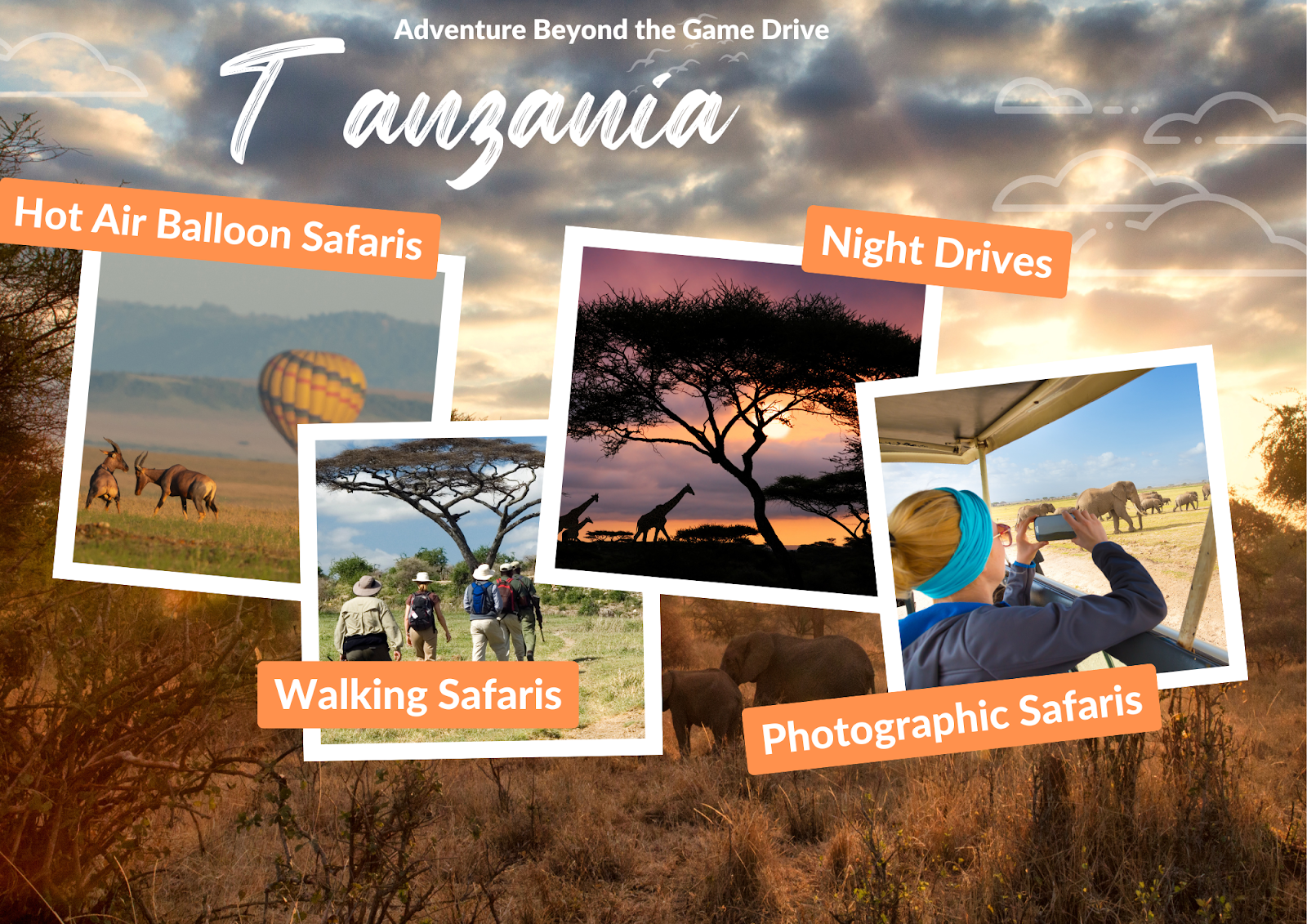
Travelers can experience the East African wilderness through a wide array of specialized excursion styles that offer unique vantage points.
Hot air balloon flights provide quiet aerial perspectives over morning savannas, revealing large animal herds moving across the landscape from above. Guided walking safaris in designated wilderness zones allow participants to examine tracks, smaller fauna, and native flora up close alongside armed park rangers. Night drives unveil nocturnal predators that remain hidden during daylight hours, while dedicated photographic outings cater directly to enthusiasts seeking optimal angles and natural lighting.
4. Striking Geological Contrasts from Volcanic Calderas to Island Coasts
The dramatic physical topography of Tanzania creates striking visual contrasts from one regional circuit to the next.
The endless grassy plains of the Serengeti meet the steep walls of the Ngorongoro Crater, an enclosed volcanic caldera that acts as a natural sanctuary for diverse wildlife. Mount Kilimanjaro stands tall in the background, providing a snow-capped mountain backdrop to northern wildlife routes. Further south and east, wild river basins and the tropical Zanzibar Archipelago allow visitors to pair dusty bush explorations seamlessly with relaxing coastal getaways.
5. Integrated Anti-Poaching Models and Community Stewardship
Tanzania maintains strict national initiatives focused on protecting vulnerable species and preserving vital wildlife corridors.
Anti-poaching patrols utilize modern tracking tools while working in tandem with rural communities living adjacent to park boundaries. Community-based tourism frameworks ensure that financial contributions from tourism directly support local schools, healthcare, and sustainable land management. Travelers taking part in these journeys actively contribute to keeping these fragile ecosystems intact for future generations.
6. Respectful Cultural Engagements with Maasai and Hadzabe Communities
Cultural traditions remain deeply embedded across Tanzania, offering meaningful opportunities to learn from ancient communities.
Visits to traditional Maasai settlements offer insights into pastoralist heritage, cattle-herding practices, and intricate beadwork craftsmanship. Excursions alongside Hadzabe hunter-gatherers reveal advanced survival techniques and deep ecological wisdom passed down through centuries. These interactions highlight the historical coexistence between human populations and regional wildlife.
7. Untouched Wilderness and Absolute Solitude in the Southern Circuit
While popular northern parks experience high visitor numbers during peak months, Tanzania’s southern and western circuits offer exceptional seclusion.
Reserves like Ruaha and Katavi remain remarkably quiet, allowing visitors to view wildlife without encountering other vehicles at a sighting. Small, eco-conscious bush camps in these remote areas foster a deeper immersion into raw, untouched nature. For travelers prioritizing privacy and quiet exploration, these less-traveled regions provide an ideal setting.
Comparison of Major Regional Safari Circuits
| Circuit Region | Defining Features | Ideal Traveler Profile |
| Northern Circuit | Serengeti, Ngorongoro, high animal densities | First-time visitors and migration seekers |
| Southern Circuit | Ruaha, Nyerere, rugged river systems | Experienced travelers seeking isolation |
| Coastal Add-on | Zanzibar Archipelago, coral reefs | Travelers pairing bush safaris with beaches |
For visitors looking to expand their itineraries beyond land-based wildlife excursions, planning a private coastal sailing yacht charter offers an entirely different perspective on aquatic exploration.
Conclusion
Tanzania provides an exceptional safari environment defined by thriving wildlife populations, dramatic physical landscapes, and rich cultural traditions. Whether tracking herds across northern grass plains or seeking quiet solitude in southern reserves, travelers find experiences that match their personal exploration goals. Proper planning ensures that every journey respects local guidelines while delivering lifelong memories.
Frequently Asked Questions
Is Tanzania safe for international safari travelers?
Tanzania is widely considered one of the safest destinations in Africa for wildlife travel, supported by well-regulated national parks and established tourism infrastructure.
What is the best time of year to witness the Great Migration?
The ideal time depends on the specific migration phase, with calving occurring in the south from January to March and river crossings happening in the north from July to October.
How much does a typical safari in Tanzania cost?
Safari expenses vary widely based on accommodation style, park fees, and trip duration, ranging from standard mid-range daily rates to high-end luxury lodges.
Do I need specific vaccinations before traveling to Tanzania?
Travelers generally need proof of yellow fever vaccination depending on their departure country, alongside recommended prophylactic medications like antimalarials.
Can I combine a wildlife safari with a beach vacation?
Yes, many visitors conclude their bush safaris with a short flight to the Zanzibar Archipelago for coastal relaxation and ocean exploration.
How far in advance should I book my Tanzanian safari?
Booking six to twelve months in advance is strongly recommended, especially if you plan to travel during peak migration and dry seasons.
Are children allowed to participate in Tanzania safaris?
Most safari camps and lodges welcome families, though certain walking safaris or specialized tracking activities have strict minimum age limits for safety reasons.
Disclaimer: Safari logistics, park entry fees, and travel requirements can change over time. Travelers should always verify final details and health guidelines directly with official Tanzanian tourism authorities and licensed tour operators before confirming their bookings.

Daniel J. Morgan is the founder of Invidiata Magazine, a premier publication showcasing luxury living, arts, and culture. With a passion for excellence, Daniel has established the magazine as a beacon of sophistication and refinement, captivating discerning audiences worldwide.


