

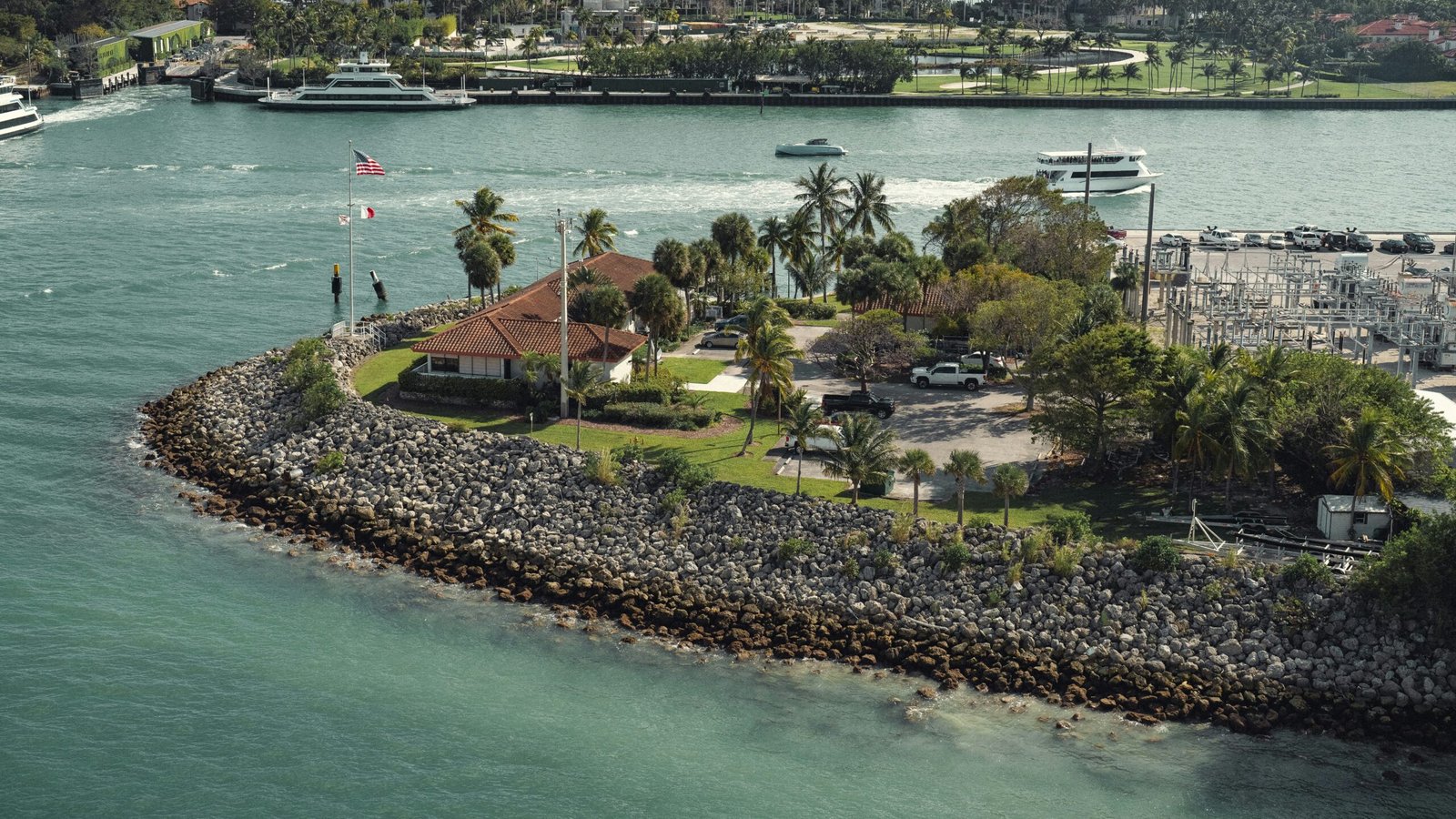
Photo by Dennis Zhang on Unsplash
The Realities of Coastal Living
Coastal living balances everyday lifestyle rewards against genuine physical and financial responsibilities that require careful planning.
People are regularly drawn to the coast by the promise of natural beauty, outdoor recreation, and a slower-paced community atmosphere. However, moving near the ocean involves far more than enjoying ocean breezes and weekend beach walks. Residents must navigate complex weather patterns, specialized property requirements, and changing regional real estate markets.
The psychological benefits of living near water are well documented. Open vistas and lower stress levels frequently improve overall mental health and daily well-being. Active outdoor routines—such as morning jogs on the sand, kayaking, paddleboarding, and community farmers’ markets—foster a vibrant social fabric. At the same time, prospective movers must balance these lifestyle upgrades with the practical demands of maintaining a home exposed to marine elements.
Beyond personal wellness, coastal neighborhoods often cultivate a distinct social rhythm. Local communities frequently revolve around seasonal festivals, maritime heritage events, and outdoor recreation groups. Residents often find themselves engaging more deeply with environmental conservation efforts, beach cleanups, and local preservation initiatives. This unique blend of community participation and environmental awareness creates a powerful sense of place that keeps long-term residents deeply rooted.
Financial Realities: Beyond the Purchase Price
Financial planning for a seaside home requires accounting for specialized insurance policies, windstorm deductibles, and ongoing maintenance costs unique to marine environments.
Property insurance in coastal zones has experienced significant market shifts, with many carriers adjusting coverage limits or withdrawing entirely from high-risk flood areas. Homeowners often need separate windstorm policies alongside standard hazard insurance. Additionally, properties located in designated flood zones require mandatory flood insurance through federal programs or private insurers. Beyond premiums, managing a home near saltwater requires a solid understanding of property and casualty insurance protection to ensure adequate financial coverage against unexpected severe storms and rising repair costs.
Property taxes in coastal communities can also fluctuate heavily based on proximity to the shoreline and municipal service demands. Local governments frequently allocate substantial tax revenues toward beach renourishment projects, seawall maintenance, and storm drainage infrastructure. Buyers must review past tax assessments carefully to avoid unexpected financial burdens after closing. Factoring in routine pest control, specialized exterior painting schedules, and corrosion-resistant metal replacements ensures that a household budget remains sustainable over decades of ownership.
Weather Preparation and Climate Resilience
Weather preparation demands proactive structural safeguards and constant vigilance during seasonal tropical storm and hurricane cycles.
The National Oceanic and Atmospheric Administration (NOAA) emphasizes that coastal regions face higher probabilities of sudden storms, heavy rainfall, and high winds. Homeowners must fortify their properties using impact-resistant windows, reinforced garage doors, and sturdy storm shutters. Regular property inspections help identify vulnerable roofing materials and siding before severe weather strikes, reducing the risk of extensive structural damage.
Climate resilience extends beyond major storm events to everyday exposure elements. High humidity levels demand advanced ventilation systems and constant monitoring of crawl spaces and attics to prevent mold growth. Foundation drainage systems must be engineered to handle heavy downpours and rising tidal waters without compromising structural integrity. Investing in elevated electrical systems and standby generators ensures that homes remain habitable during extended municipal power outages caused by severe weather fronts.
Navigating Local Rules, Zoning, and Infrastructure
Local municipal regulations, strict building codes, and coastal zoning laws dictate how residents can safely modify or rebuild shoreline properties.
Local governments often enforce rigorous elevation mandates to protect homes against storm surges and rising sea levels. Coastal property owners may also face restrictions on beachfront alterations, dune preservation, and exterior renovations. Ensuring daily convenience requires checking proximity to essential infrastructure, including reliable medical facilities, emergency response services, and grocery stores.
Navigating these municipal frameworks requires patience and thorough research before attempting any home improvements. Building departments often require specialized permits for minor outdoor structures, decks, and fencing to ensure compliance with environmental setbacks. Understanding local evacuation routes, bridge access limitations, and emergency shelter locations is equally vital for daily peace of mind. Well-maintained municipal infrastructure directly influences how quickly a neighborhood recovers after a major weather event.
Partnering with the Right Local Experts
Working with experienced local real estate agents and specialized insurance brokers simplifies the complex process of buying a coastal property.
Local professionals understand regional market trends, historical flood patterns, and neighborhood-specific wind mitigation requirements. Finding an agent who specializes strictly in coastal real estate helps buyers navigate hidden property disclosures, municipal restrictions, and realistic long-term budgeting expectations.
Collaborating with home inspectors who hold specific coastal credentials is another critical step. Standard home inspections may overlook marine-specific decay, hidden moisture intrusion behind siding, or saltwater damage to HVAC compressor coils. Experienced inspectors provide detailed evaluations of seawalls, docks, and pilings where applicable. Combining expert local guidance with meticulous property evaluations ensures that a seaside investment remains secure and enjoyable for years to come.
Frequently Asked Questions About Coastal Living
What are the biggest hidden costs of coastal living?
The biggest hidden costs include high property insurance premiums, separate windstorm deductibles, mandatory flood insurance, and increased exterior maintenance due to salt corrosion.
How does salt air affect a coastal home?
Salt air accelerates rust and corrosion on metal fixtures, HVAC units, fasteners, and outdoor equipment, requiring more frequent cleaning, painting, and replacement.
Are coastal properties harder to insure?
Yes, many traditional insurance carriers limit coverage in coastal zones, requiring homeowners to shop for specialized windstorm policies or state-backed insurance pools.
What is FEMA Risk Rating 2.0?
FEMA Risk Rating 2.0 is a pricing methodology that prices flood insurance based on an individual property’s specific flood risk rather than broad generalized zones.
Do I need impact-resistant windows for a coastal home?
While not always legally mandatory in every municipality, impact-resistant windows or storm shutters are highly recommended to protect against flying debris and high winds.
How do zoning laws impact coastal renovations?
Coastal zoning laws often restrict significant structural expansions, require specific building elevations, and protect local sand dunes and marine ecosystems.
What local infrastructure factors should I check before moving?
Buyers should verify local evacuation route capacities, bridge access reliability, emergency medical response times, and municipal stormwater drainage efficiency.
Disclaimer: Coastal real estate markets, municipal zoning rules, and insurance regulations change frequently. Readers should verify all final property data, insurance requirements, and building codes directly with official local government sources and licensed insurance professionals before making purchasing decisions.


