

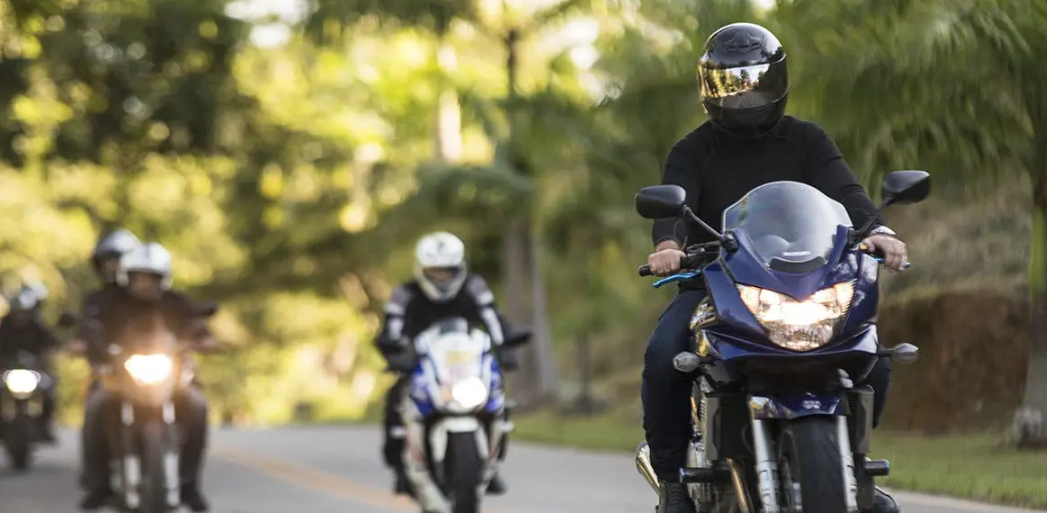
Riding a motorcycle offers a thrilling sense of freedom and adventure but presents unique risks requiring attention and diligence to ensure safety on the road. Understanding and applying essential safety measures can significantly reduce the risk of accidents, helping motorcyclists enjoy their rides with peace of mind. Navigating modern traffic demands more than just basic handling skills because riders must contend with distracted motorists, changing road conditions, and unexpected obstacles.
Investing in Certified Protective Gear
Certified protective gear serves as the primary physical defense against severe impact and road rash during an unexpected collision.
Helmets meeting modern standards such as ECE 22.06 or DOT ratings are critical for protecting the head and reducing traumatic brain injury risks. Beyond head protection, motorcyclists should wear durable riding jackets, abrasion-resistant pants, reinforced boots, and full-fingered gloves constructed from leather or heavy-duty textiles. Incorporating high-visibility or reflective elements into daily riding apparel ensures that other drivers notice the rider immediately, particularly during twilight hours or inclement weather.
Executing Pre-Ride Mechanical Inspections
Executing a thorough pre-ride inspection prevents unexpected mechanical failures that frequently trigger dangerous highway situations.
Riders should routinely follow the T-CLOC inspection checklist, checking tire pressure, tread depth, functional control cables, lighting systems, fluid levels, and chassis stability. Properly inflated tires maintain necessary traction during sudden maneuvers, while reliable brakes ensure stopping distances remain predictable. Routine professional service appointments further guarantee that engine components and electrical systems operate reliably across every journey.
Mastering Defensive Riding Tactics
Mastering defensive riding strategies allows motorcyclists to anticipate hazards and react before minor issues escalate into crashes.
Maintaining an ample following distance provides the necessary reaction time when vehicles ahead brake abruptly or debris appears on the asphalt. Intersections represent high-risk zones where turning passenger vehicles frequently fail to yield right-of-way, making cautious positioning and eye contact vital. Riders should actively scan mirrors, avoid lingering in blind spots, and assume that nearby motorists might change lanes without signaling.
Adhering to Traffic Regulations and Legal Frameworks
Adhering strictly to local traffic regulations protects operators legally while fostering predictable traffic flow.
Excessive speed dramatically shrinks reaction windows and amplifies the severity of any impact. Motorcyclists must also understand regional legal guidelines concerning lane filtering and splitting where permitted, always exercising patience and caution around congested traffic queues. Complying with designated speed limits and right-of-way protocols creates a secure operating environment for everyone sharing the pavement.
Enhancing Visibility Among Distracted Drivers
Enhancing overall road visibility directly counteracts the dangers posed by smartphone-distracted motorists and crowded urban environments.
Keeping headlights illuminated even during bright daytime hours draws essential attention to the motorcycle’s presence. Choosing bright exterior gear colors instead of dark, muted tones prevents riders from blending into the background scenery. Utilizing turn signals well in advance gives surrounding drivers clear notice of intended lane changes or turns.
Managing Adverse Weather and Low-Visibility Challenges
Managing adverse weather conditions requires specialized techniques and adjustments to maintain control on slick or fog-shrouded roads.
Rain, heavy mist, and high winds diminish tire traction and visibility, necessitating reduced speeds and smoother throttle inputs. Anti-fog visor inserts and clear lens goggles keep the rider’s field of vision clear when humidity or precipitation spikes. Checking regional forecasts before departing allows motorcyclists to pack proper rain gear or alter routes to avoid severe storms entirely.
Pursuing Continuous Skill Development
Pursuing continuous skill development through professional training courses refines emergency response reflexes and machine control.
Enrolling in advanced rider education programs teaches precise cornering techniques, swerving methods, and high-traction emergency braking. These training sessions build confidence and help experienced operators break complacent habits. For travelers who enjoy exploring new destinations on two wheels, adopting comprehensive safety awareness is just as vital as reviewing practical advice detailed within our guide on navigating unfamiliar locations safely when riding across new regions.
Conclusion
Motorcycle safety relies entirely on a combination of proper equipment, continuous situational awareness, and disciplined riding habits. Motorcyclists can significantly minimize accident risks by wearing certified protective gear, maintaining mechanical components, practicing defensive driving, and respecting traffic laws. Committing to lifelong skill enhancement ensures every ride concludes safely.
Why is wearing a certified helmet important for motorcyclists?
Certified helmets meet rigorous impact standards that substantially lower the risk of severe head trauma during a collision.
What is the T-CLOC inspection method?
The T-CLOC method is a systematic pre-ride checklist covering tires, controls, lights, oil, and chassis components.
How can riders improve their visibility to other motorists?
Riders can boost visibility by keeping headlights on during the day, wearing reflective gear, and avoiding vehicle blind spots.
Why are intersections particularly dangerous for motorcyclists?
Intersections present high risks because turning drivers frequently fail to notice smaller motorcycles or misjudge their speed.
What role does defensive driving play in accident prevention?
Defensive driving enables riders to anticipate errors made by other motorists and react with enough distance to avoid impact.
Should riders alter their habits during adverse weather?
Yes, wet or foggy conditions require slower speeds, smoother braking, and increased following distances to prevent skidding.
Where can motorcyclists improve their emergency handling skills?
Riders can elevate their technical competence by completing advanced motorcycle training courses and professional safety workshops.
Disclaimer: The safety tips and recommendations provided in this article are for general informational purposes only. Traffic laws and riding conditions vary by region, and riders should always verify current regulations and official safety guidelines before heading out.


